Attribution Science Can Now Link Climate Change to Specific Weather Events
A new report from the National Academies assesses the state of extreme event attribution science. Researchers can now more accurately assess the influence of climate change on many weather events, though confidence varies by event type.
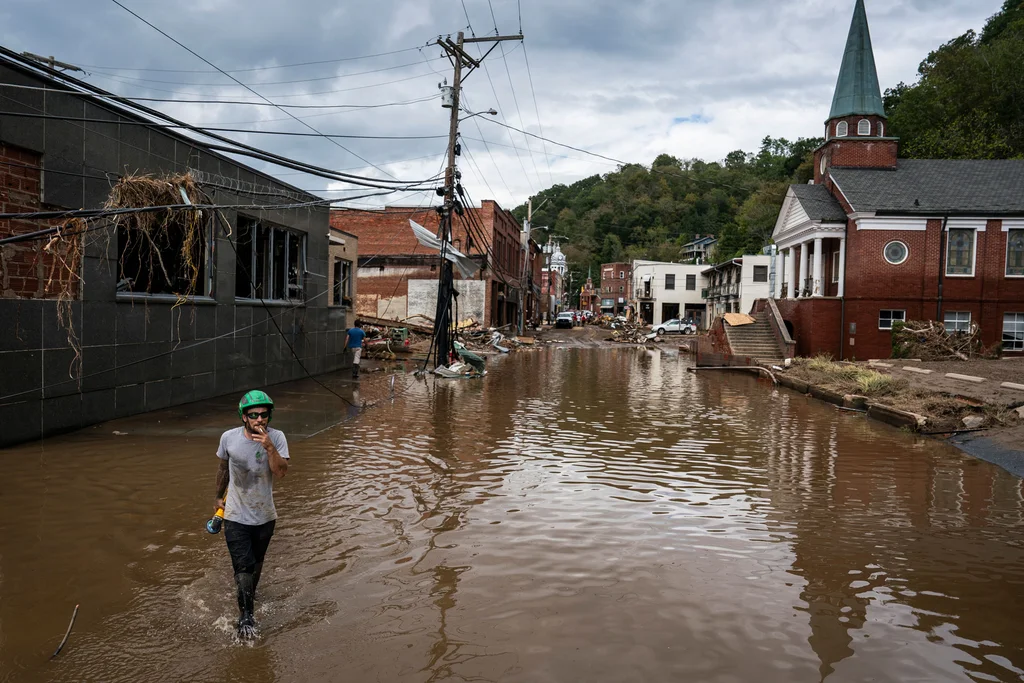
The field of extreme event attribution science, which investigates the influence of human-caused climate change on specific weather events, has advanced significantly. A new report by a committee from the National Academies of Sciences, Engineering, and Medicine concludes that scientists can now provide more precise assessments of how climate change impacts heat waves, hurricanes, floods, and wildfires.
Scientifically grounded answers regarding how climate change has altered the intensity or probability of specific events have become more accurate. This progress is driven by improvements in weather and climate data, climate models, and the attribution methodologies themselves. However, the report highlights that the confidence in these findings varies depending on the type of event.
Researchers aim not to claim that climate change solely caused a specific event, but rather to assess its influence. This is achieved by comparing the event in today's climate to how it might have occurred without human-induced global warming. Both historical data and sophisticated climate models are employed in these analyses.
The highest confidence is achieved when assessing extreme heat waves, where the link to global warming is clear. The impacts of heavy rainfall, tropical cyclones, and droughts in certain regions can also be estimated with higher certainty. However, attribution remains challenging for phenomena such as severe thunderstorms, tornadoes, and hail, which are based on complex, small-scale atmospheric processes.
This improved scientific understanding helps communities, businesses, and governments better assess risks, enhance planning and infrastructure, and make informed decisions regarding preparedness and adaptation to climate change.