Audi restructures product development using matrix organization
Audi is reconfiguring its vehicle development according to matrix organization principles to accelerate decision-making and improve efficiency. The new model is slated for implementation in early 2025.
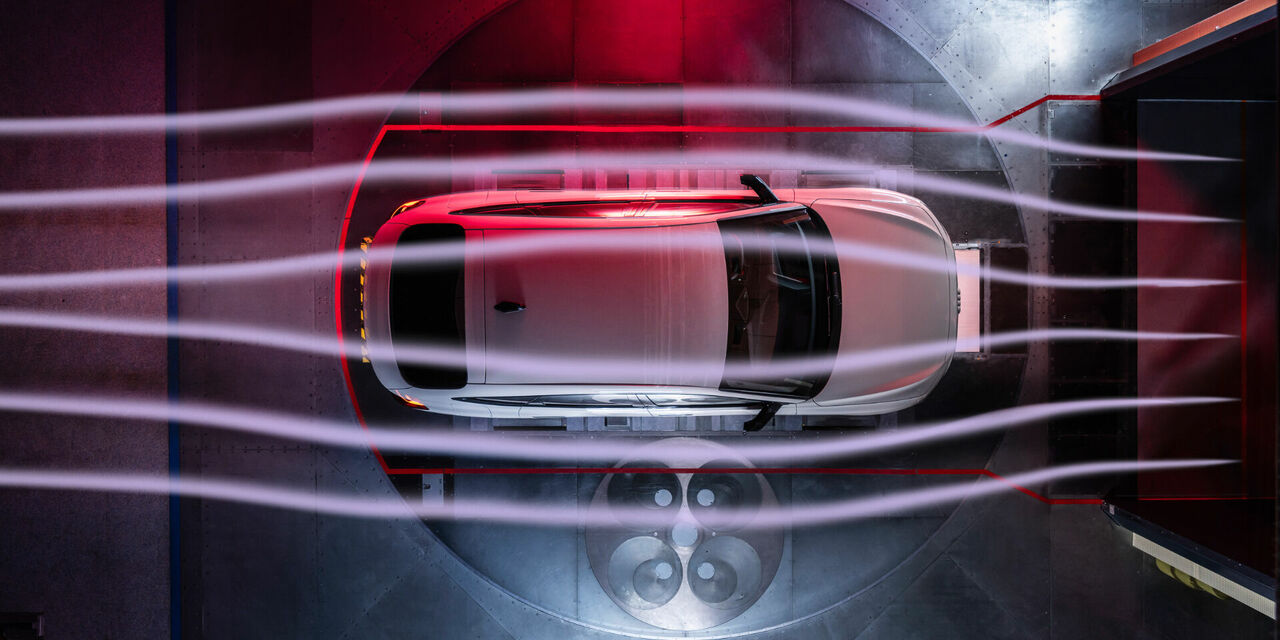
German automaker Audi is undertaking a significant restructuring of its vehicle development processes. The company is adopting principles of a matrix organization aimed at achieving clearer responsibilities, flatter hierarchies, and accelerated decision-making. This new collaboration model for product line management, technical development, and associated interfaces was presented internally, with implementation planned for early 2025.
The repositioning is intended to speed up Audi's development cycles and enhance its competitiveness within the evolving automotive industry. CEO Gernot Döllner emphasized the necessity for Audi to become more efficient, competitive, and resilient for the future. Over the past six months, more than 200 experts have been involved in analyzing processes and structures to develop and optimize the new collaboration framework.
The introduction of the matrix organization is part of a broader company initiative. Döllner indicated that vehicle development is the initial step, with plans for reorganisation in other divisions as well. The objective is to reduce interfaces, streamline committee functions, and align accountability and decision-making with defined roles.
Audi's new development structure will clearly distinguish between strategy, management, and execution. Portfolio and product strategy responsibilities will be consolidated into a unit reporting directly to the CEO. Operational product lines will assume entrepreneurial responsibility and management for project-specific development, gaining greater autonomy. Technical Development will focus on the engineering work and realization of vehicle features, while ensuring efficient coordination with project interfaces. Increased scope for action is anticipated in the specification and integration of software and electrical/electronic platforms.