Automated Research Accelerates Yeast Biology Discoveries
Researchers at Chalmers University of Technology are using automation and AI to speed up scientific discoveries in yeast biology. The goal is to better understand cellular functions and complex biological processes.
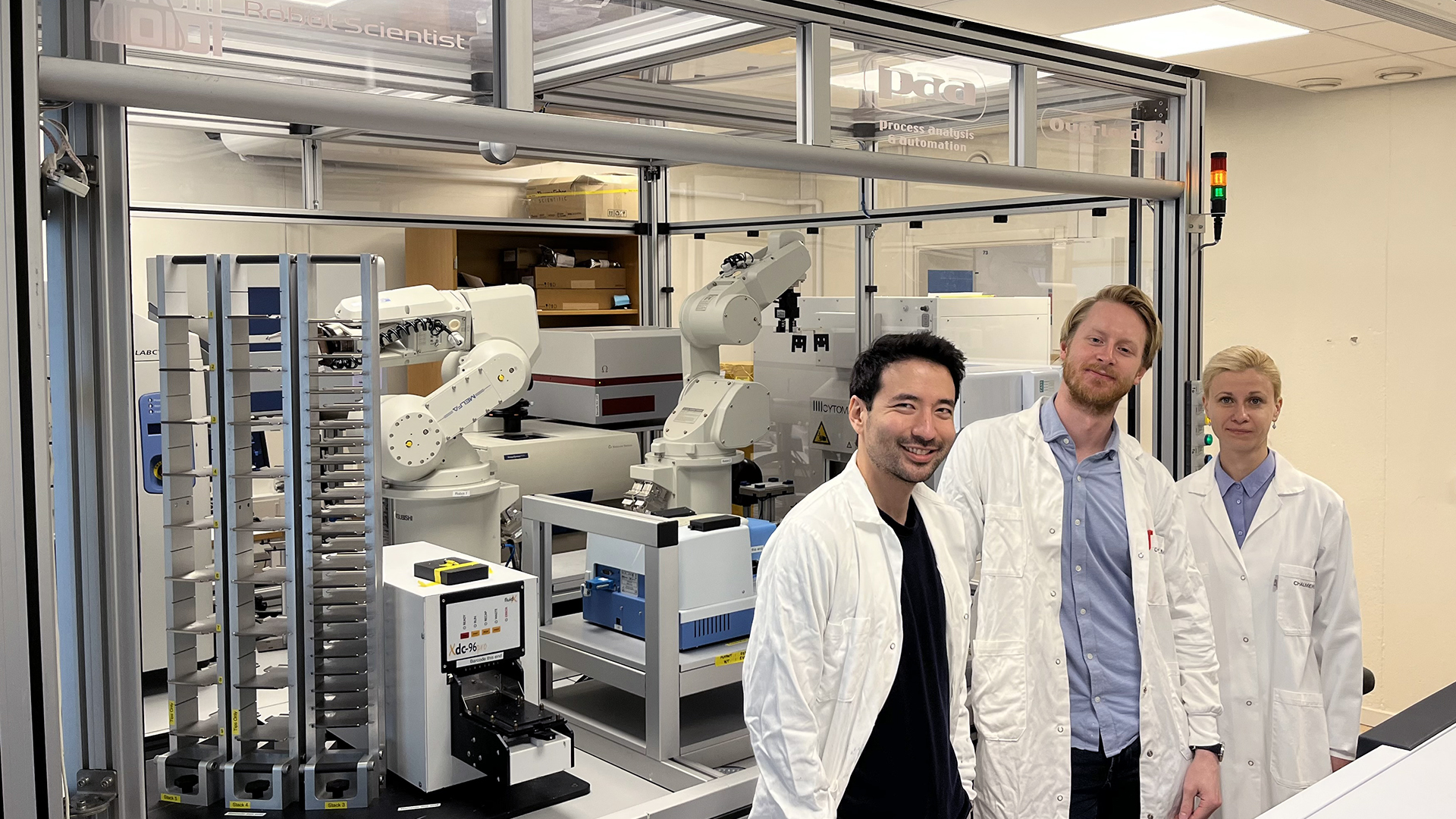
Chalmers University of Technology researchers are employing automated methods to accelerate scientific discoveries in yeast biology. Their work focuses on analyzing Saccharomyces cerevisiae, a model organism for cellular processes relevant to human cells.
The team has developed semi-automated experimental design and high-capacity analysis techniques. These methods have been applied to study the diauxic shift, a process where yeast cells transition from consuming sugar to consuming ethanol. The research utilized mass spectrometry and the robot scientist Eve, which automates a large number of parallel experiments.
The researchers aim to better understand this complex process involving thousands of proteins and other molecules. Their findings could also shed light on other cellular functions, such as antioxidant mechanisms and responses to varying environmental conditions. Several genes with previously unknown functions have been characterized in more detail.
The next step involves integrating these methods with the newest generation robot scientist, Genesis. The objective is to make the research process faster and more intelligent by incorporating various types of biological information beyond metabolomics.