Automation Reinforces Need for Human Leadership in Business
Despite widespread automation, human leadership remains crucial. Employees seek direction and meaning during change, with empathy and values acting as key differentiators.
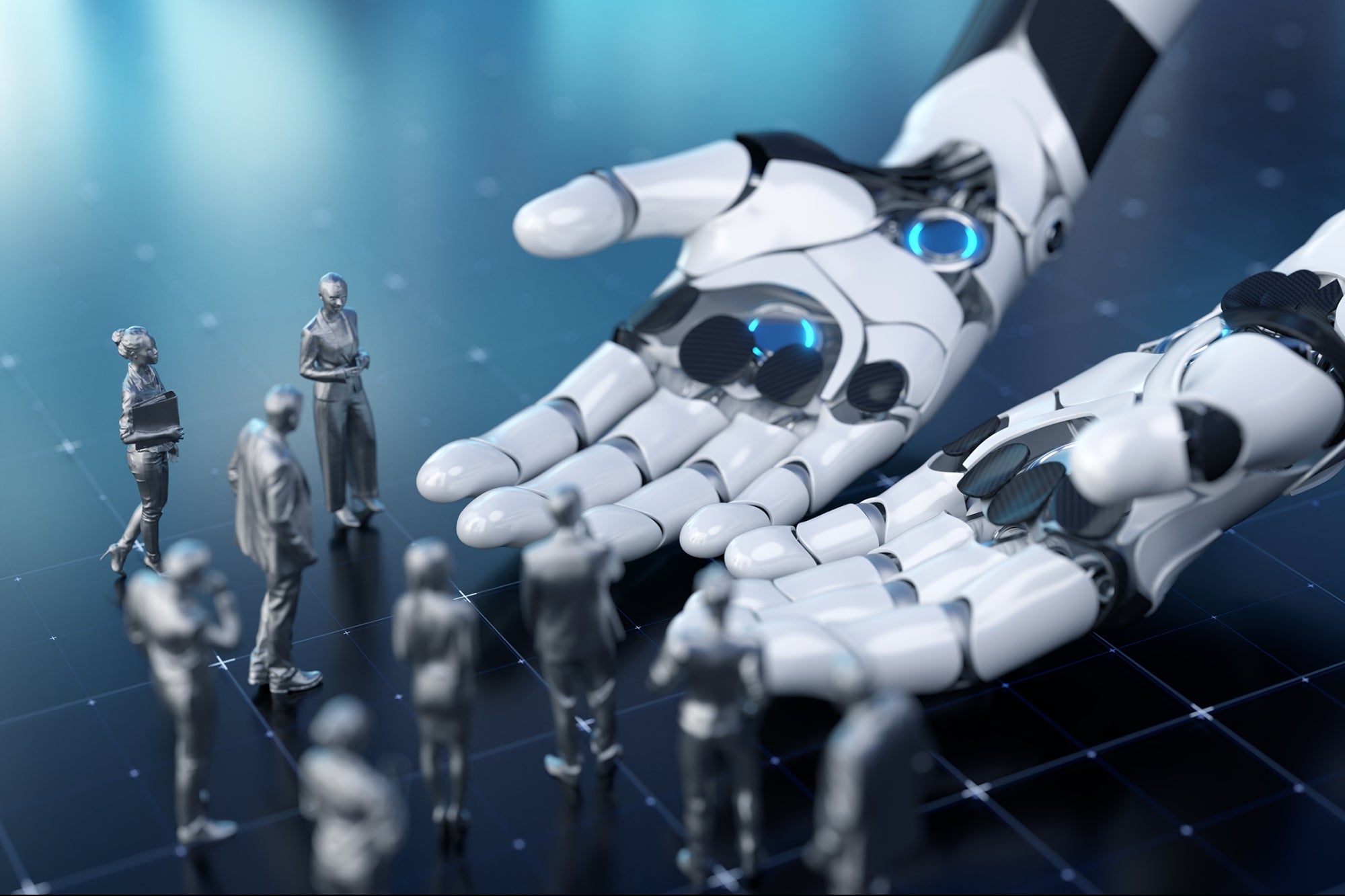
As automation becomes pervasive in businesses, the role of human leadership is not diminishing but rather evolving. By 2026, companies are actively managing automation, not just preparing for it. Surveys indicate that nearly all U.S. companies utilize artificial intelligence (AI), with a significant majority of professionals employing AI tools daily.
However, automation does not replace the fundamental human need for trust, direction, and purpose. When organizational changes occur, teams continue to rely on leaders for reassurance and guidance. Empathy is emerging as a key driver of performance, enabling leaders to better understand their teams' experiences during transitions and make more effective decisions under pressure.
Scaling human connection within an organization is essential for maintaining alignment amidst increasing complexity. When faced with conflicting data or ambiguous objectives, core values serve as the operating system, guiding judgment and shaping behavior. This human-centric approach helps teams navigate uncertainty.
While employees using AI daily report gains in productivity and job security, many express concerns about its future application in the workplace. Leaders play a vital role in helping employees adapt to new technologies and fostering trust in an increasingly automated environment.