Autonomous trucking technology faces ongoing operational hurdles
Despite potential efficiency gains, driverless truck deployment remains limited by significant challenges in navigating complex weather and road conditions.
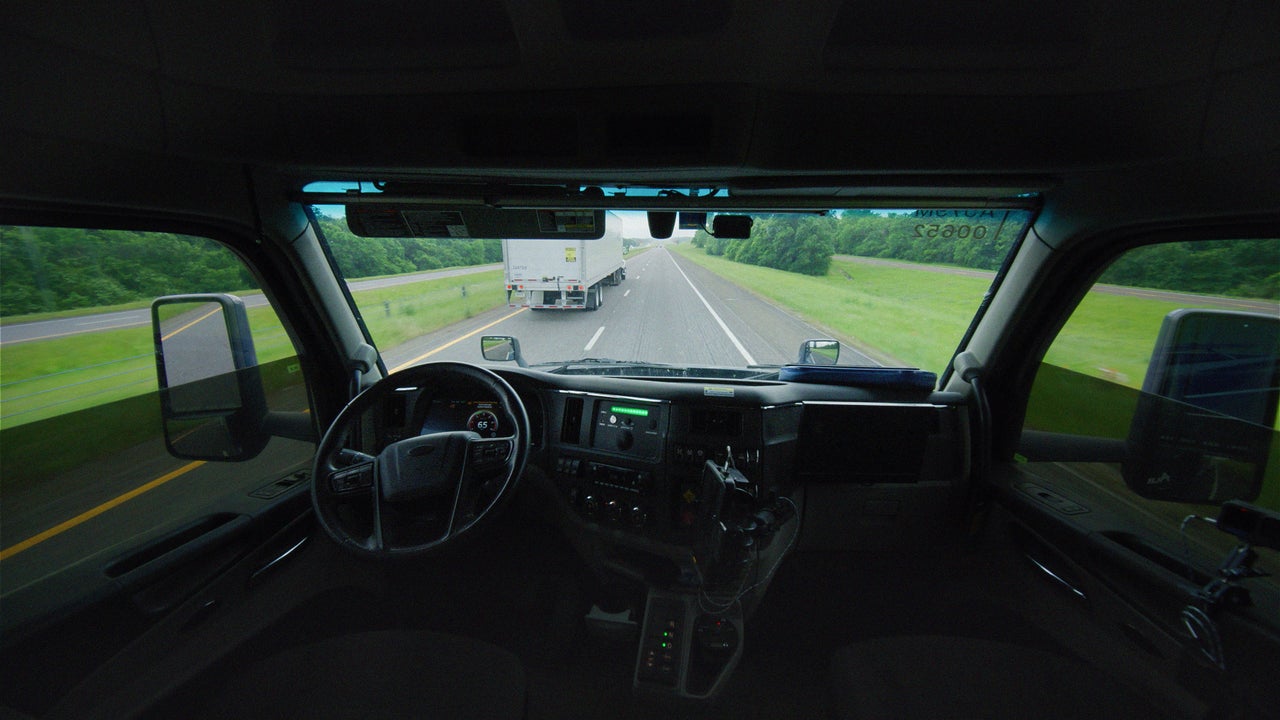
Autonomous trucking companies are currently confining tests to predictable environments, such as flat, well-marked highways in Texas, as the industry struggles to overcome operational limitations. While potential benefits include reduced fuel consumption and increased safety, the technology currently lacks the robustness required for widespread use.
Environmental variables, including rain, snow, and complex road infrastructure like construction zones, remain the primary barriers to scalability. Many sensors and AI systems struggle to interpret surroundings when lane lines are missing or visibility is poor. Consequently, several developers have scaled back ambitions or ceased operations entirely over the past year.
Industry analysts suggest the immediate future of the sector lies in human-machine cooperation rather than full replacement of drivers. The industry is shifting toward a model where automated systems handle steady highway cruising, while human drivers manage the more complex 'first-mile' and 'last-mile' deliveries.