AV-TEST evaluates data privacy and security in robot vacuum cleaners
Security researchers at AV-TEST have tested four premium robot vacuum models to assess their cloud communication, app security, and data protection standards.
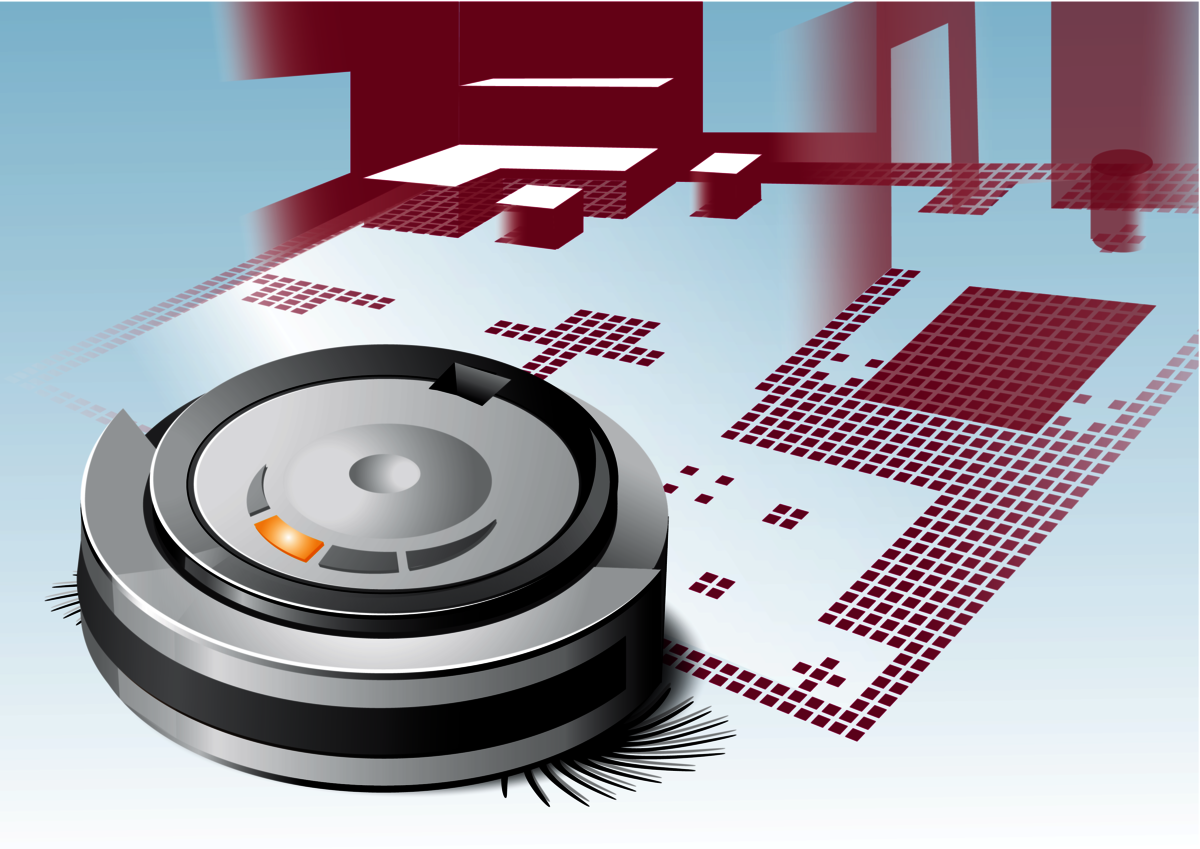
Robot vacuum cleaners have transitioned from niche gadgets to mainstream household appliances, with adoption rates rising significantly across global markets. As these devices gain popularity, their reliance on sensors and cloud connectivity has prompted a closer examination of how they handle sensitive household data.
AV-TEST assessed the security posture of four high-end models: the Dyson 360 Eye, iRobot Roomba 980, Vorwerk Kobold VR300, and Xiaomi Roborock S55. The evaluation focused on the security of local Wi-Fi communications, traffic transmitted to manufacturer-controlled cloud services, the resilience of mobile applications, and the transparency of privacy policies.
Equipped with cameras, ultrasonic, and laser sensors, these devices generate detailed maps of home layouts to navigate efficiently. Because this data is often transmitted to the cloud to enable remote control and status tracking, the potential for privacy exposure is a significant concern for users. The study aimed to determine whether these tools maintain secure communication channels while mapping private spaces.
This analysis highlights the ongoing tension between smart home convenience and the technical requirements of data security. As consumer demand for autonomous cleaning technology grows, manufacturers face increasing scrutiny regarding the implementation of security protocols for their connected devices.