Bacteria Use Radioactive Elements in Metabolism
Researchers have demonstrated that certain bacteria can utilize radioactive elements like americium and curium, replacing essential rare earth metals in their metabolic processes.
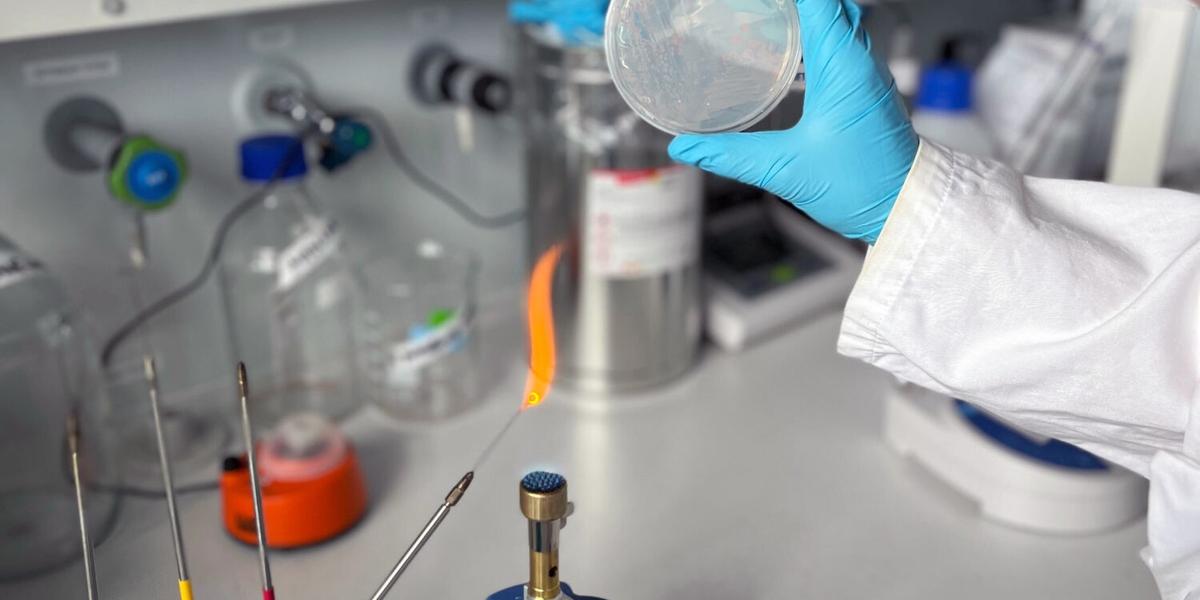
Chemists at Ludwig-Maximilians-Universität München (LMU) have shown for the first time that bacteria can use radioactive elements to sustain their metabolism, replacing essential rare earth metals. This finding challenges the long-held view of the irreplaceable nature of these metals for bacterial life.
Many environmental bacteria, specifically methylotrophs, incorporate rare earth metals into a crucial enzyme, methanol dehydrogenase. A team led by LMU chemist Lena Daumann investigated whether radioactive actinides, americium and curium, could serve as substitutes for these metals.
In laboratory studies, two strains of methylotrophic bacteria were provided with a range of elements. The results indicated that the bacteria successfully incorporated americium and curium, growing just as well as they would with their typical rare earth metals. Notably, the bacteria even showed a preference for americium and curium over some other rare earth elements.
The research suggests potential applications in waste management. These bacteria could potentially be employed in bioremediation or in the separation and recycling of rare earth metals and actinides, particularly relevant for contexts such as spent nuclear fuel reprocessing.