Base-Editing Therapy Achieves Durable Remission in Sickle Cell Disease and Thalassemia
A new study confirms that tBE-mediated gene therapy is safe and effective across diverse genetic backgrounds, including African SCD patients and TDT patients, achieving transfusion independence.
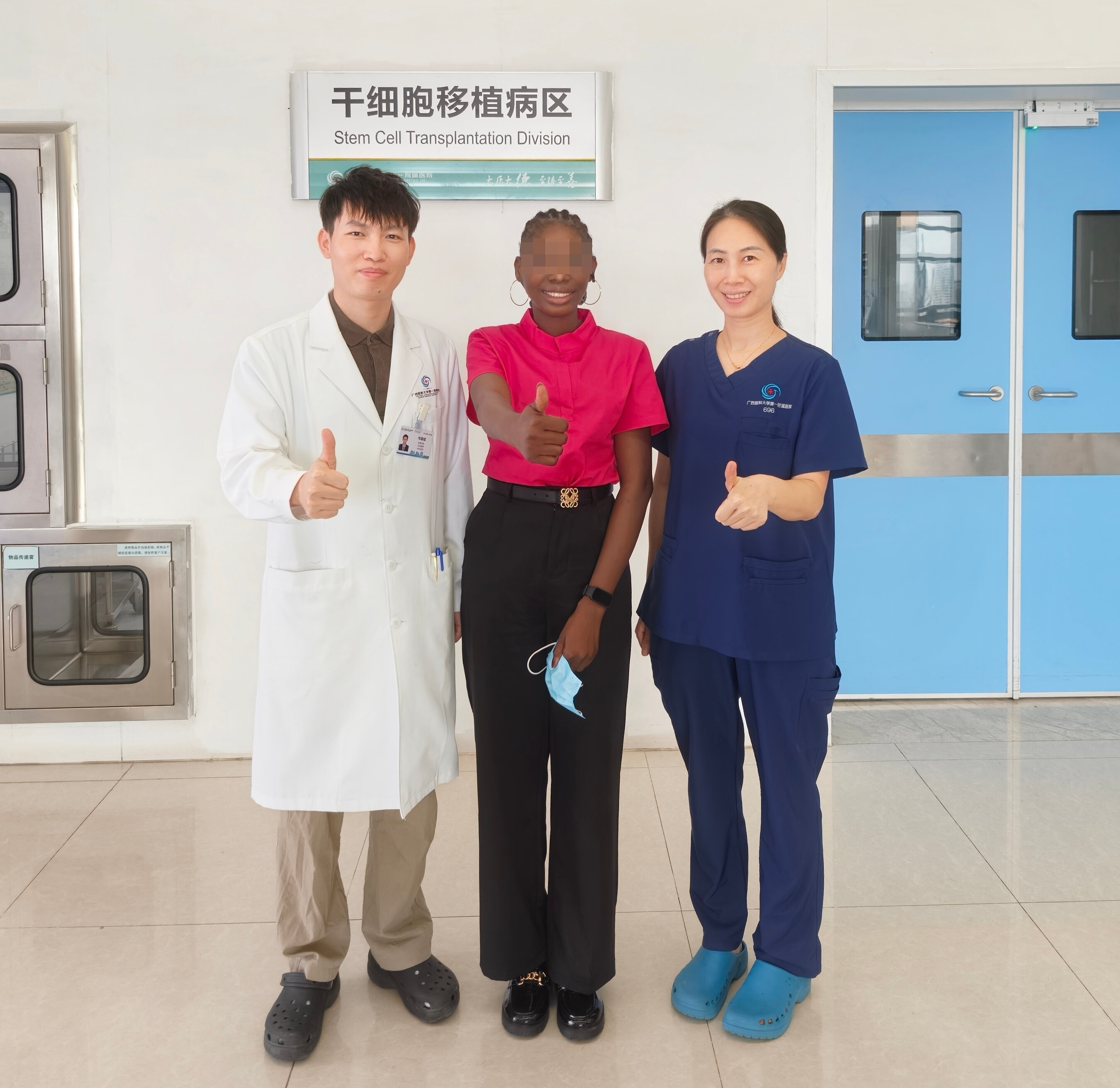
A new study has demonstrated that tBE-mediated gene therapy has achieved durable clinical remission in both sickle cell disease (SCD) and beta-thalassemia (TDT) across diverse genetic backgrounds. This research validates earlier findings of 100% transfusion independence achieved in Chinese TDT patients.
The study expanded its patient cohort to include SCD patients of African descent and TDT patients from South and Southeast Asia. The results indicate that tBE therapy is equally safe and effective in this broader patient population, aiming to free patients from lifelong transfusions and other treatments.
SCD and beta-thalassemia are inherited blood disorders affecting hemoglobin production, leading to anemia, pain, and severe health complications. The tBE therapy works by correcting the genetic basis of the disease within hematopoietic stem cells.
This research supports the potential of gene therapy as a long-term solution for these chronic conditions. Further studies will focus on confirming the long-term outcomes and safety profile of the treatment in varied patient groups.