Baystate Health Joins National Clinical Trial for Advanced Brain Aneurysm Treatment
Baystate Health has been selected to participate in a national clinical trial evaluating a new treatment for brain aneurysms. The hospital is the first in the country to enroll patients in the study.
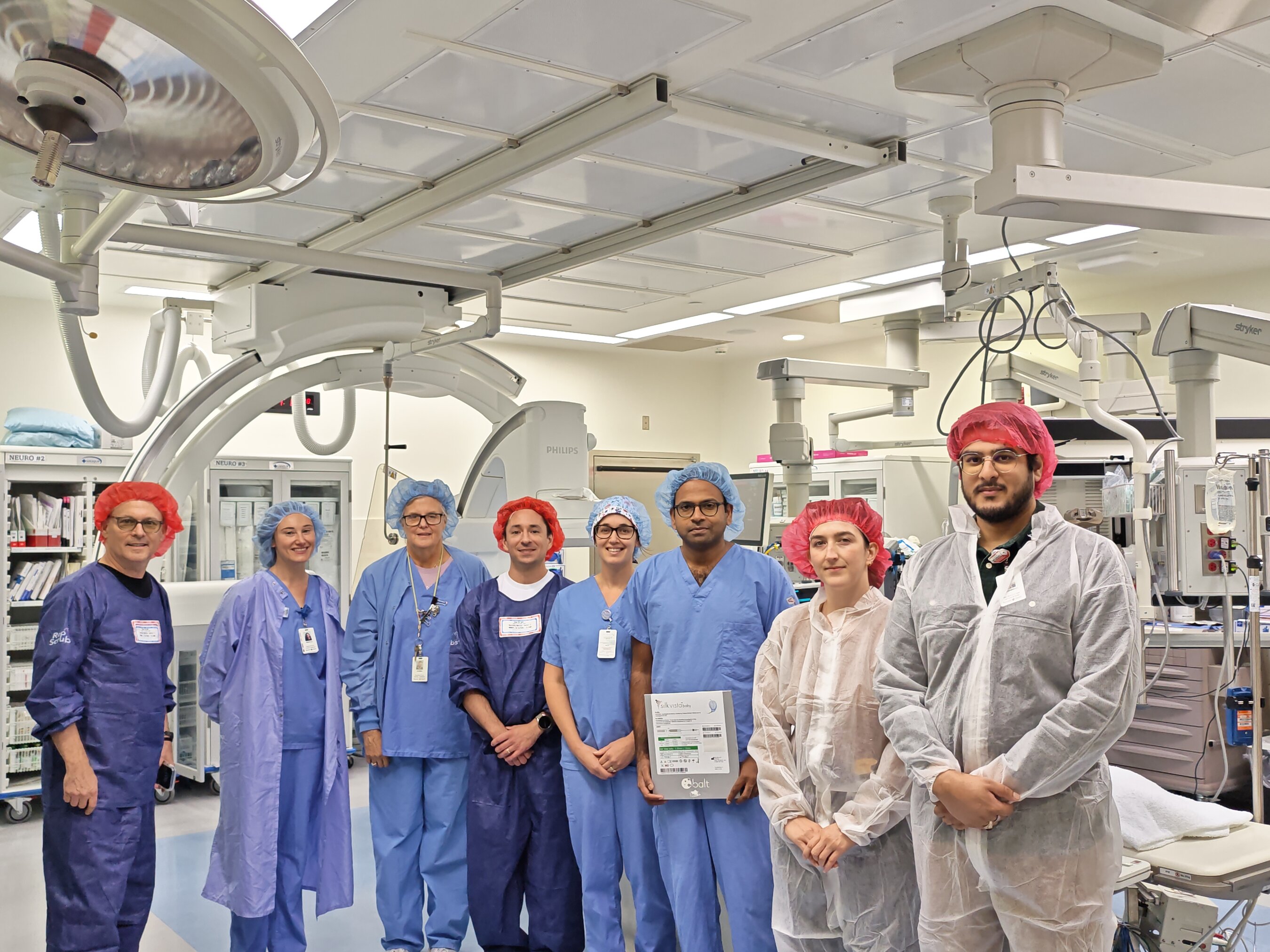
SPRINGFIELD, Mass. – Baystate Health has been selected to participate in a national clinical trial focused on the treatment of brain aneurysms. The hospital announced it is the first in the United States to enroll three patients into the study. The trial, named PIONEER, is evaluating a next-generation flow-diverting stent, the Silk Vista Baby, designed specifically for treating unruptured aneurysms in small blood vessels.
The Silk Vista Baby stent, developed by Balt Corporation, is designed for use in small blood vessels measuring 1.5 to 3 mm in diameter. While the device has been available internationally for several years, it has not been widely accessible in the U.S. To meet FDA requirements, Balt Corporation launched a major clinical study. The PIONEER trial involves 35 leading centers in the U.S. and 5 in Canada, all assessing the safety and efficacy of the Silk Vista Baby device.
Dr. Varun Naragum, Director of Baystate Health's Neuroendovascular Program, stated the hospital's pride in being chosen as a study site, reflecting their long-standing expertise in treating brain aneurysms. He noted that due to staff dedication, they were able to enroll and treat the first three patients shortly after receiving approval. Flow diversion is a treatment for brain aneurysms where a flexible mesh tube (stent) is placed inside a main blood vessel, redirecting blood flow away from the aneurysm and reducing rupture risk.
Participation in this study allows Baystate Health to offer eligible patients access to this advanced treatment for brain aneurysms located in small blood vessels. Previously, when U.S. patients required this treatment, physicians had to apply for FDA exemption, a process that could take up to eight weeks and potentially delay critical care.