Best Practices for Assessing Robotic Surgery Systems Published
An international expert panel has released guidance on best practices for assessing robotic assisted surgical systems. The aim is to standardize health technology assessments.
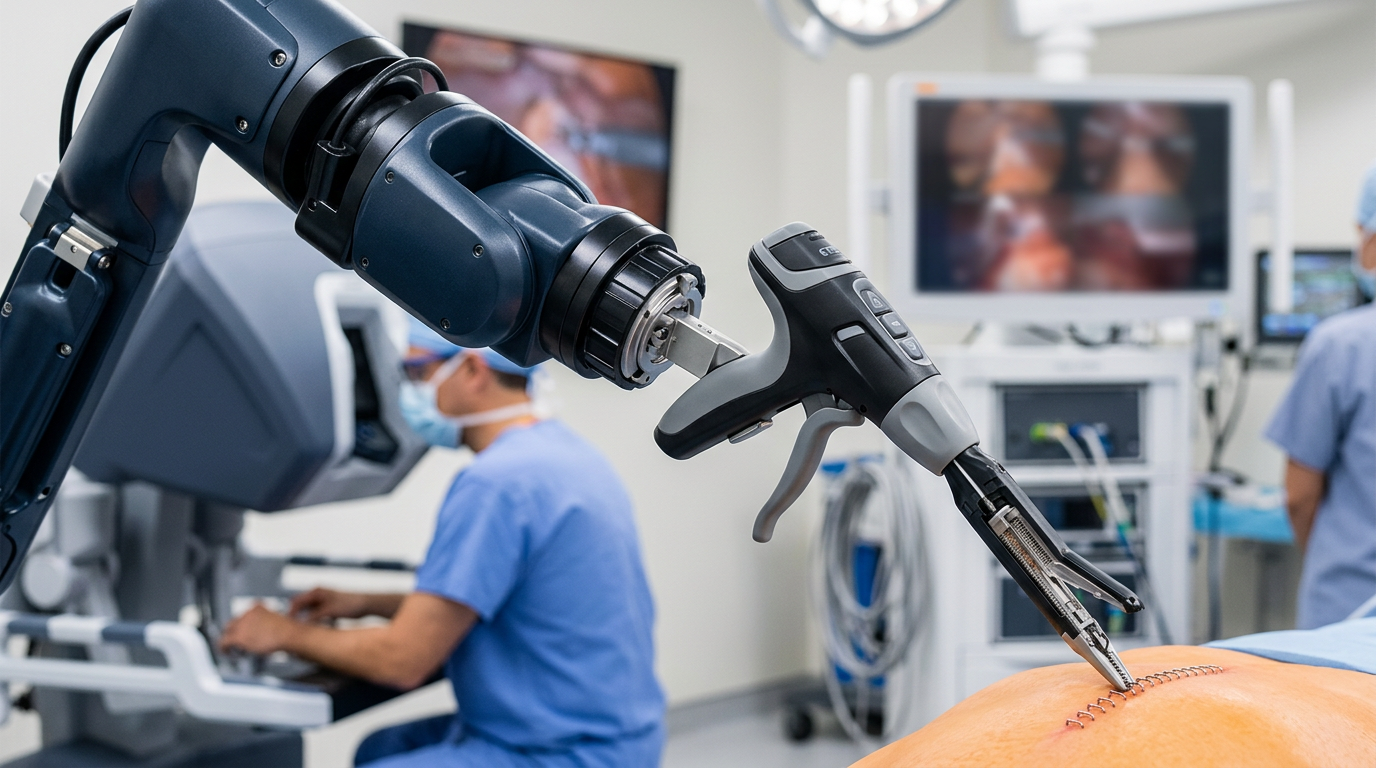
An international consensus panel has published new guidance on best practices for health technology assessments (HTAs) of robotic assisted surgical (RAS) systems. The report addresses challenges that have led to inconsistent conclusions in previous assessments of robotic surgery.
The panel, composed of clinicians, health economists, HTA practitioners, and policymakers, reviewed 98 previous HTAs. They identified seven key themes crucial for consistent evaluation: evidence inclusion and exclusion criteria, patient and clinician-reported outcomes, the learning curve for surgeons, cost allocation, appropriate time horizons for analysis, economic modeling methods, and the broader benefits of the robotic ecosystem.
The guidance emphasizes that robotic surgical platforms are tools, not therapies, and their value is context-dependent. The authors noted that while RAS can improve outcomes compared to open surgery, its superiority over laparoscopic surgery is often found to be marginal in HTA reports. Challenges in conducting randomized controlled trials (RCTs) for RAS, due to issues like blinding and recruitment, were also highlighted.
Previous HTAs have frequently reported low to moderate quality and moderate to high risk of bias in the evidence base for RAS. The panel's work seeks to provide a clearer framework to ensure more consistent and reliable evaluations of these technologies moving forward.