BfR assesses risks of maca-containing dietary supplements
The German Federal Institute for Risk Assessment (BfR) has reviewed dietary supplements derived from the maca plant (Lepidium meyenii). The institute states that the scientific data on its effects is insufficient.
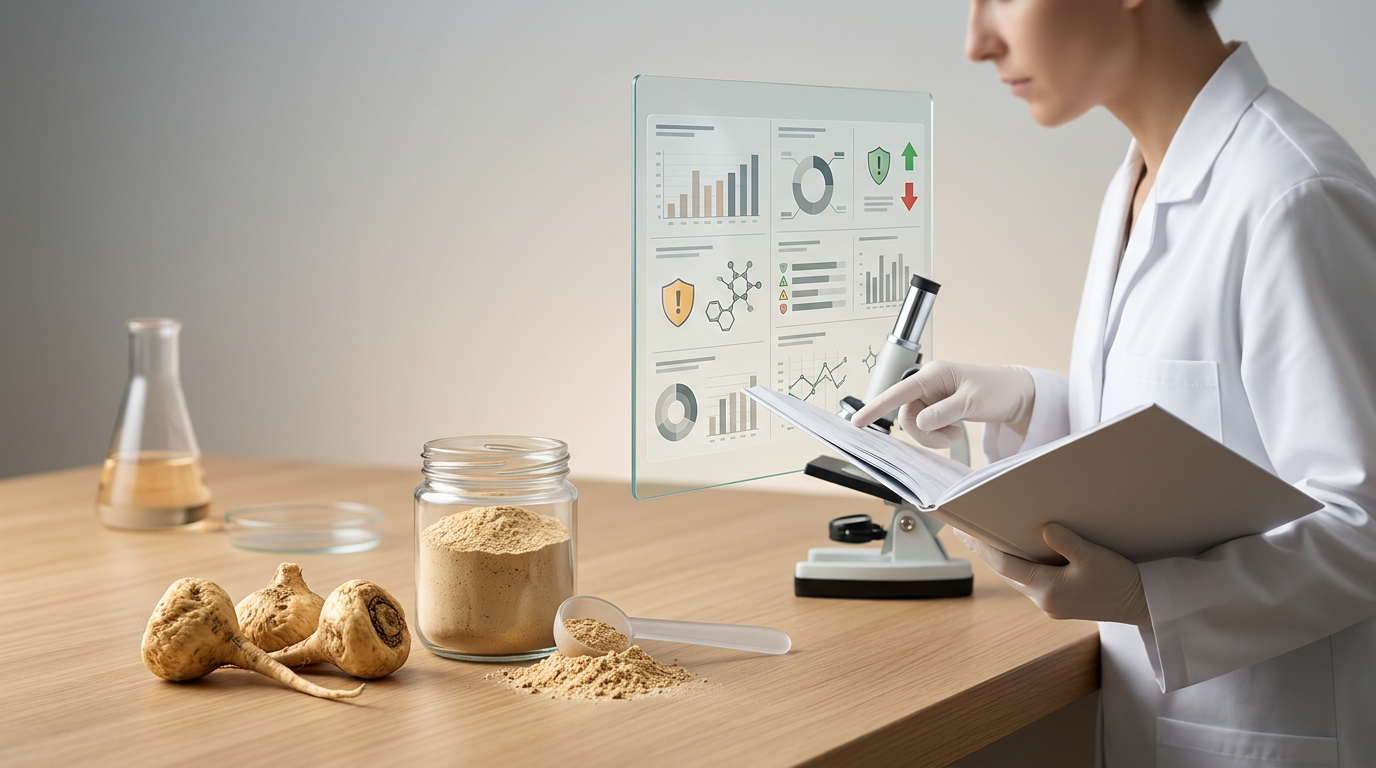
The German Federal Institute for Risk Assessment (BfR) has conducted a risk assessment of dietary supplements made from the maca plant (Lepidium meyenii). The institute highlights that the scientific evidence regarding the effects of the maca root is insufficient and existing studies are deficient.
According to the BfR, animal studies provide indications that the maca root might have effects on the reproductive organs or interact with the body's own hormones. While no adverse effects have been reported in humans, a safe daily intake amount for maca cannot be determined.
These supplements are often marketed with claims such as "herbal Viagra" or for "hormonal balance." The BfR notes that studies intended to prove maca's efficacy often show significant deficiencies and do not adhere to internationally recognized guidelines. Furthermore, maca extracts produced with different extraction agents can exhibit varying pharmacological effects.
The institute advises caution, as the use of these dietary supplements often occurs without adequate information about potential risks. The benefit-risk ratio is frequently considered to be minimal in relation to the price. Patients on long-term medication with potent drugs are particularly cautioned about the risk of interactions with the potentially unknown ingredients of inadequately studied dietary supplements.