Bispecific Antibodies Offer New Treatment Avenues for Multiple Myeloma
Bispecific antibodies are presenting new treatment options for multiple myeloma, targeting cancer cells and the immune system. Recent advancements show promising results for patients with relapsed or refractory disease.
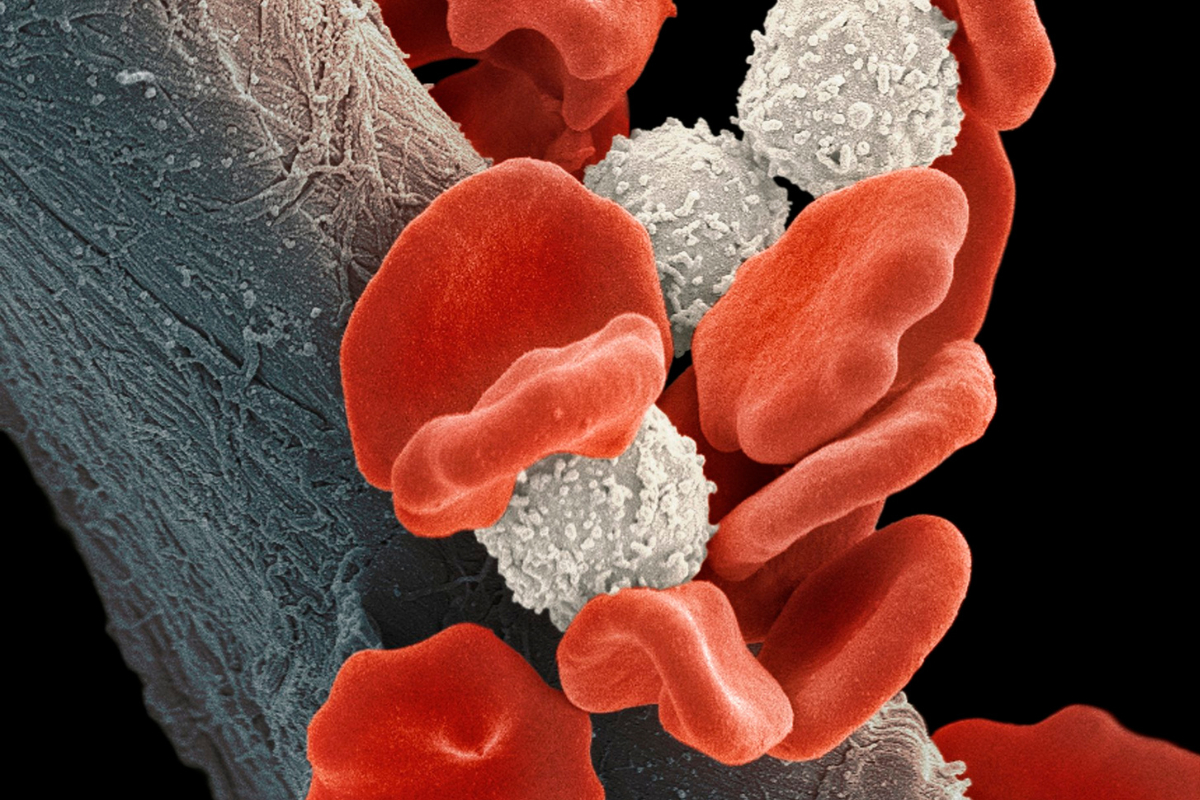
Bispecific antibodies represent a significant advancement in the treatment of multiple myeloma, a type of bone marrow cancer. These drugs are engineered to simultaneously bind to both cancer cells and immune cells within the patient's body, thereby enhancing the immune system's ability to target and destroy the malignancy.
Clinical studies have increasingly demonstrated the efficacy and tolerability of bispecific antibodies. They are showing particular promise in patients whose disease has relapsed or become refractory to existing treatments, offering a new therapeutic strategy where options may have been limited.
This class of therapy signifies a notable progression in managing multiple myeloma. Researchers and pharmaceutical companies are actively engaged in developing and testing next-generation bispecific antibodies, aiming to improve efficacy, broaden applicability, and overcome resistance mechanisms.
The ongoing development and integration of bispecific antibodies are shaping the future landscape of multiple myeloma treatment, providing renewed hope and potentially better outcomes for affected individuals.