Blood Test May Predict Alzheimer's Risk in Healthy Adults
Researchers have reported a new blood test that may predict the onset of Alzheimer's symptoms in apparently healthy older adults within five or 10 years. The test could aid in drug development by identifying high-risk individuals for clinical trials.
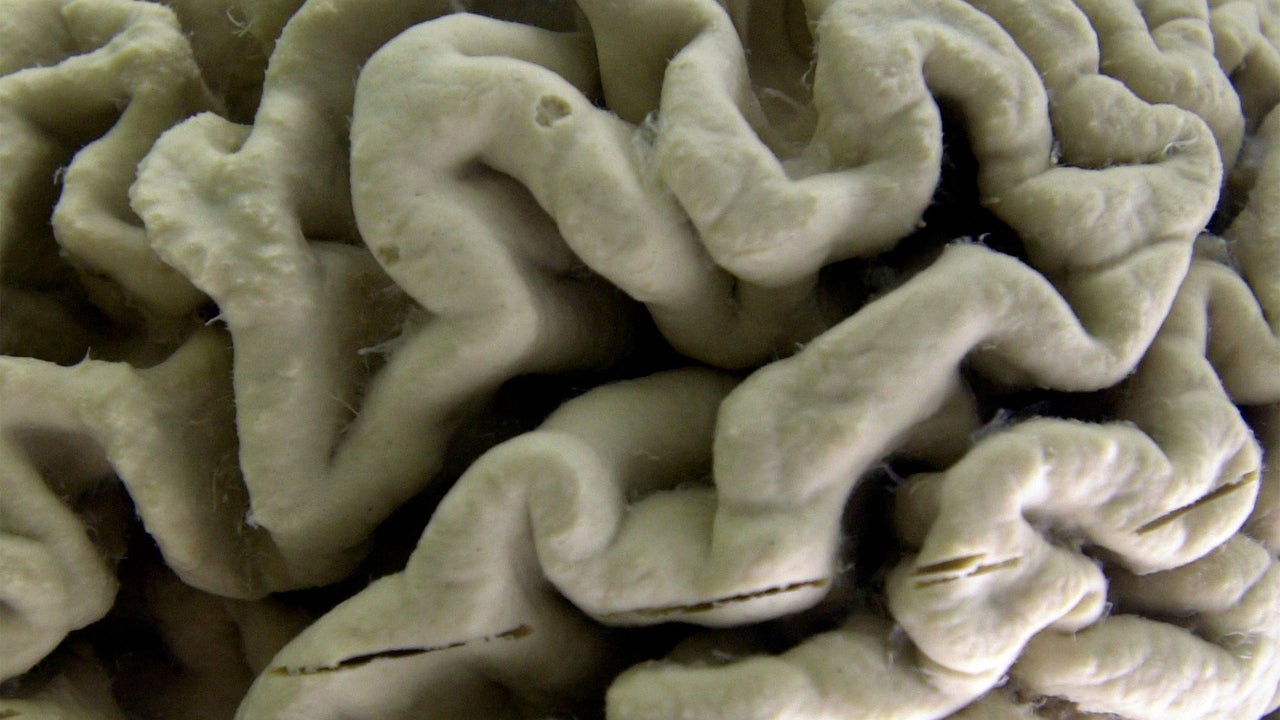
A blood test may predict if apparently healthy older adults are likely to develop Alzheimer's symptoms in the next five or 10 years, researchers reported. This potential tool could expedite drug development by helping to identify and enroll high-risk individuals into studies of possible Alzheimer's treatments or preventive strategies.
The findings, published in JAMA and presented at the Alzheimer's Association International Conference in London, showed that symptom-free older adults with very high levels of p-tau217 had a 38% risk of developing cognitive impairment over five years. This risk grew to 78% by 10 years.
The test measures a form of tau protein that correlates with the buildup of amyloid plaques and tau tangles in the brain. Dr. Reisa Sperling of Mass General Brigham Neuroscience Institute stressed that the test is not yet intended for routine use in healthy individuals. She advised people to wait until there are actionable treatments before seeking testing, continuing to focus on healthy lifestyle choices.
Experts not involved in the study praised the findings but urged caution. They noted that longer-term risk estimates require more follow-up and that other health factors, such as cardiovascular issues, could influence predictions. The blood tests are not yet precise enough to guide individual prognoses, they stated.
While researchers highlight the test's potential to identify individuals on a trajectory toward Alzheimer's, its utility is contingent on the development of effective interventions. Currently, the focus remains on research and encouraging preventative lifestyle habits for the general population.