Blood Test May Predict Alzheimer's Risk Years Before Symptoms Appear
New research suggests blood tests detecting two proteins can forecast cognitive decline up to a decade in advance. Findings could enable earlier interventions and improve trial candidate selection.
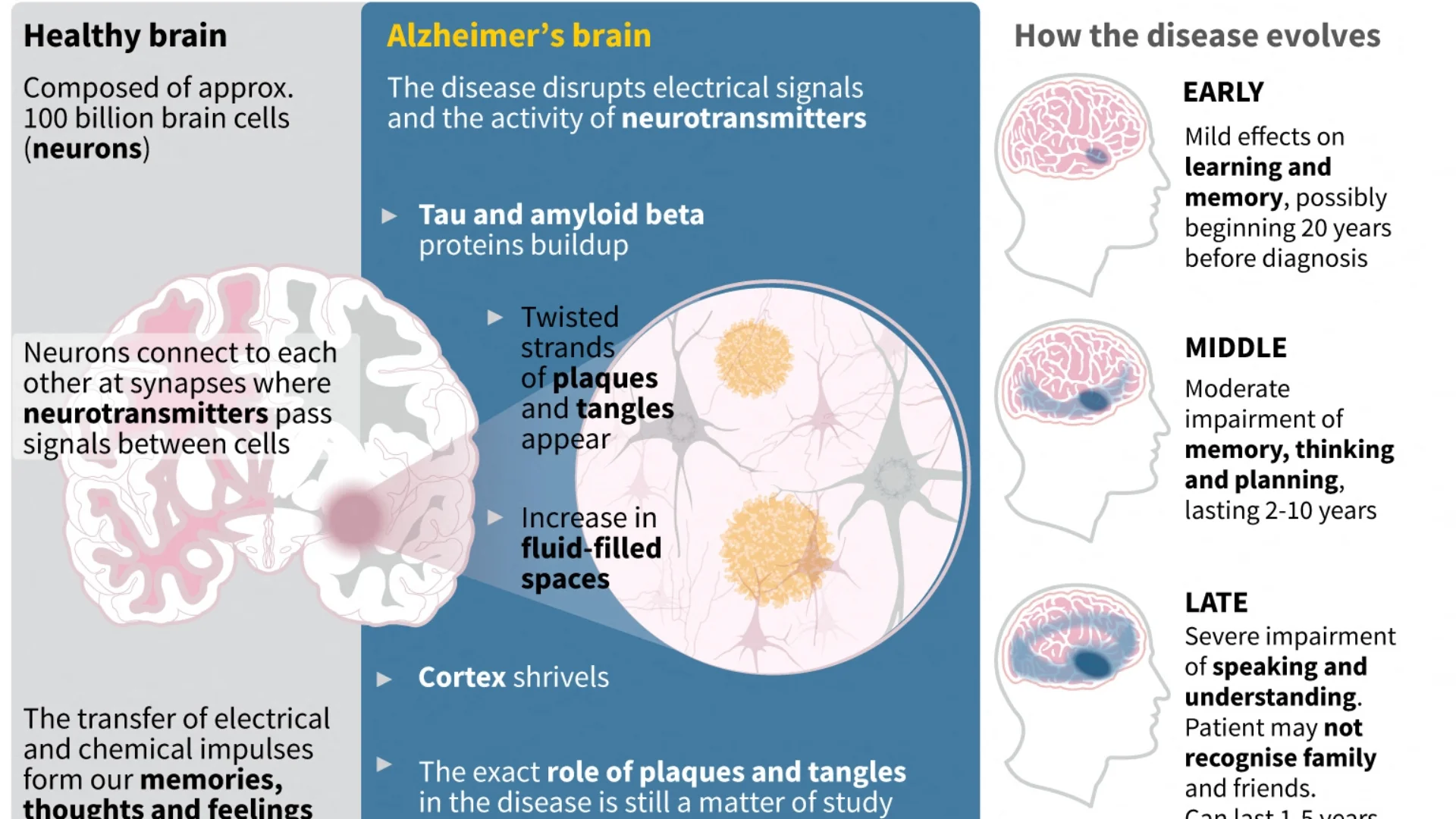
Blood tests designed to detect two key proteins associated with Alzheimer's disease may predict cognitive decline years before symptoms manifest, according to new research presented at the Alzheimer's Association International Conference. By measuring levels of the biomarkers amyloid and tau in blood, scientists can potentially identify individuals at elevated risk up to ten years before the first signs of dementia become apparent.
One study found that healthy older adults with elevated levels of the biomarker phosphorylated tau 217 (p-tau217) in their blood had a significantly higher probability of developing cognitive impairment within five and ten years. These findings indicate a strong correlation between p-tau217 levels and future cognitive decline, potentially offering a predictive tool.
The research could revolutionize how Alzheimer's is diagnosed and managed. Early identification of individuals at high risk may allow for more targeted clinical trial recruitment and, as new therapies emerge, enable earlier interventions aimed at slowing or halting disease progression.
According to Dr. Adam Boxer, a neurology professor at the University of California, San Francisco, if these findings are confirmed in clinical trials, it could lead to widespread screening for Alzheimer's risk in primary care settings even before symptoms appear. High-risk individuals might then be considered for treatment with anti-amyloid drugs.
The study analyzed data from nearly 2,700 cognitively healthy older adults across North America, Australia, and Japan. Researchers tracked p-tau217 levels and conducted regular cognitive assessments over several years. The findings were published in the journal JAMA.