Bosch advances sustainable MEMS production
Robert Bosch GmbH is intensifying research into more sustainable production methods for microelectromechanical systems (MEMS) sensors. The company is participating in a large European consortium to develop environmentally friendly manufacturing processes.
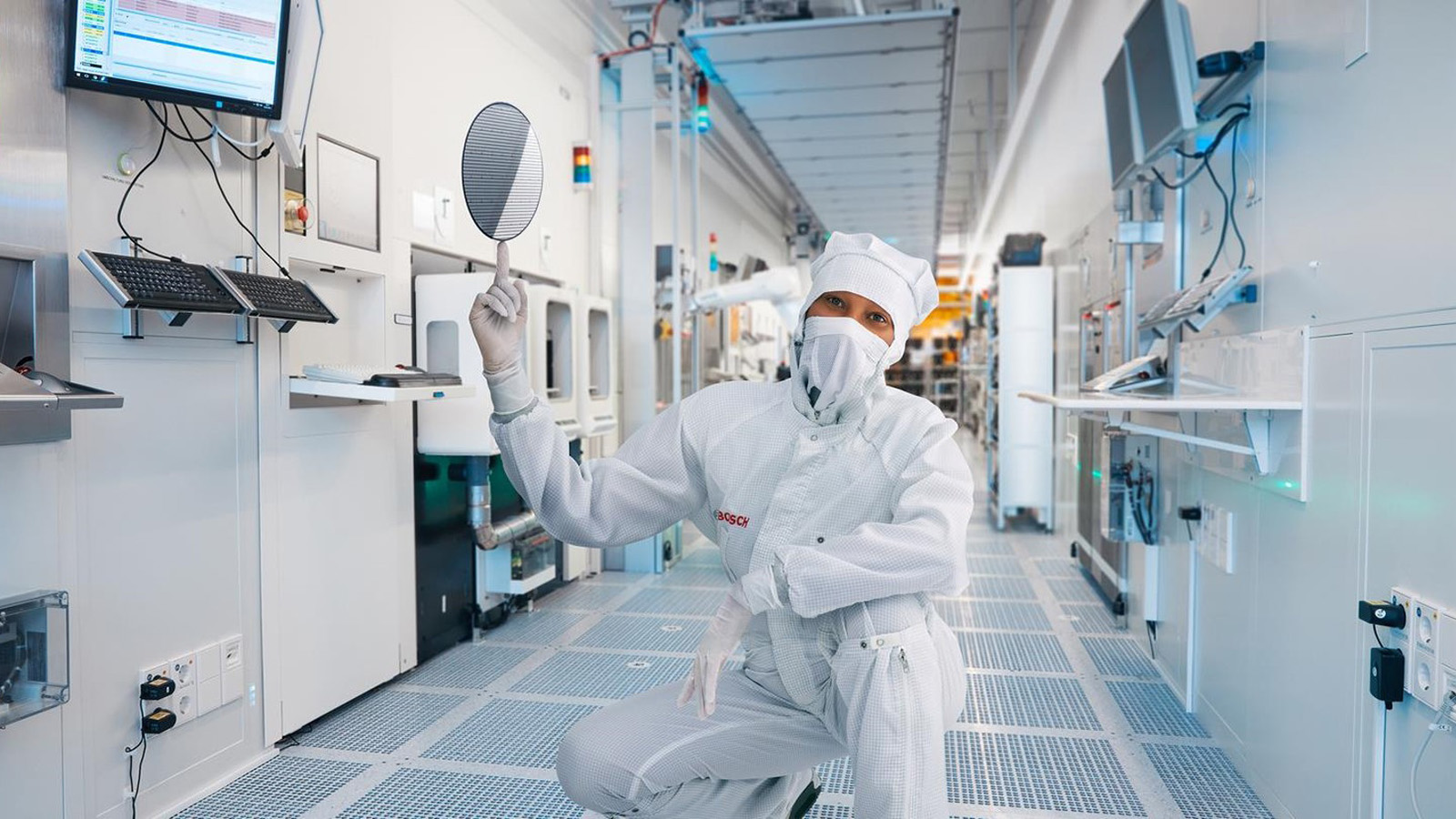
Renningen, Germany – Robert Bosch GmbH is deepening its research into sustainable production of MEMS sensors as part of the pan-European GENESIS project. This initiative involves 57 partners from research and industry, aiming to transition semiconductor manufacturing towards a circular economy model.
MEMS sensors are fundamental components in modern technologies, used in automotive and consumer electronics, with Bosch being a leading producer manufacturing over four million units daily. The company aims to make these production processes more resource-efficient and environmentally sound.
Bosch's research within GENESIS focuses on finding alternatives to critical materials and process gases that have a high global warming potential or are harmful to the environment. Additionally, the company is working on optimizing exhaust gas abatement to reduce process emissions and developing new methods for acid recycling.
The GENESIS project, co-financed by the European Commission and participating member states with a budget of nearly €55 million, is coordinated by CEA-Leti. It represents a significant step towards more sustainable manufacturing practices within the European semiconductor industry.