Bosch Lambda Sensor Marks 50 Years of Emission Control Technology
Robert Bosch GmbH celebrates 50 years of its lambda sensor production, a component that has been vital for improving combustion efficiency and reducing vehicle emissions since 1976.
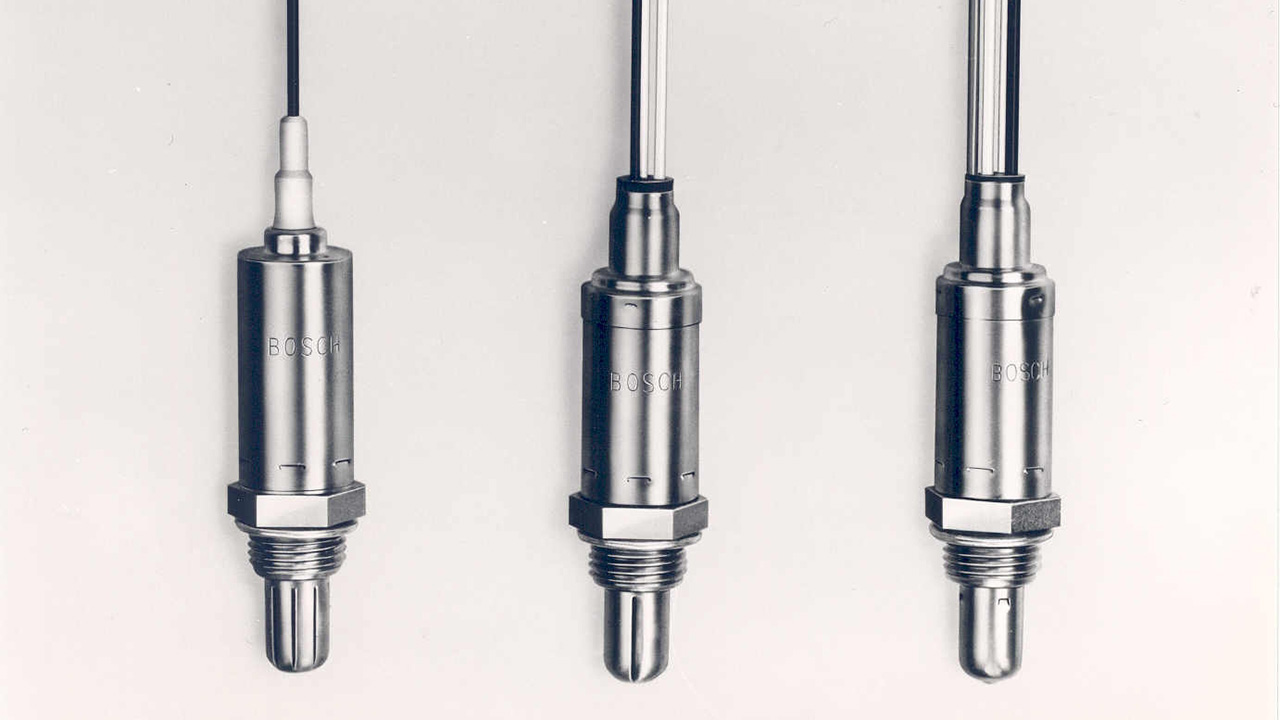
Robert Bosch GmbH is marking 50 years since the start of series production for its lambda sensor, a component that has played a crucial role in the automotive industry for enhancing combustion efficiency and reducing emissions. The launch in 1976 laid the foundation for today's stringent environmental regulations.
The development of the lambda sensor began in the early 1970s in response to worsening urban air quality in California, USA, largely attributed to vehicle exhaust. Bosch recognized the need for a technological solution to ensure an optimal air-fuel mixture for cleaner combustion, thereby reducing harmful emissions like carbon monoxide, nitrogen oxides, and hydrocarbons.
A key element of the solution was the development of a three-way catalytic converter, which transforms harmful pollutants into harmless substances. For the catalyst to function optimally, the air-fuel mixture needed to be maintained at the ideal lambda = 1 ratio under all engine operating conditions. The lambda sensor was developed to measure the oxygen content in the exhaust gas, transmitting this data to the engine control unit, which then regulates fuel injection.
The development process was challenging. Early laboratory tests showed that the first prototypes could only withstand the extreme conditions of high exhaust temperatures and vibrations for about two hours. Through extensive work on material selection, design, and testing, a service life of 250 hours was finally achieved in 1975, equivalent to approximately 20,000 kilometers of driving. Swedish manufacturer Volvo was the first customer for volume production.
The introduction of the lambda sensor marked a significant advancement in vehicle emission control, enabling compliance with increasingly strict environmental standards worldwide. It remains an indispensable part of modern internal combustion engines.