Bosch Marks 40 Years of Airbag Control Unit Development
Robert Bosch GmbH has been developing vehicle airbag control units for 40 years. The first unit entered series production in 1980, and today's systems analyze data from up to 18 sensors.
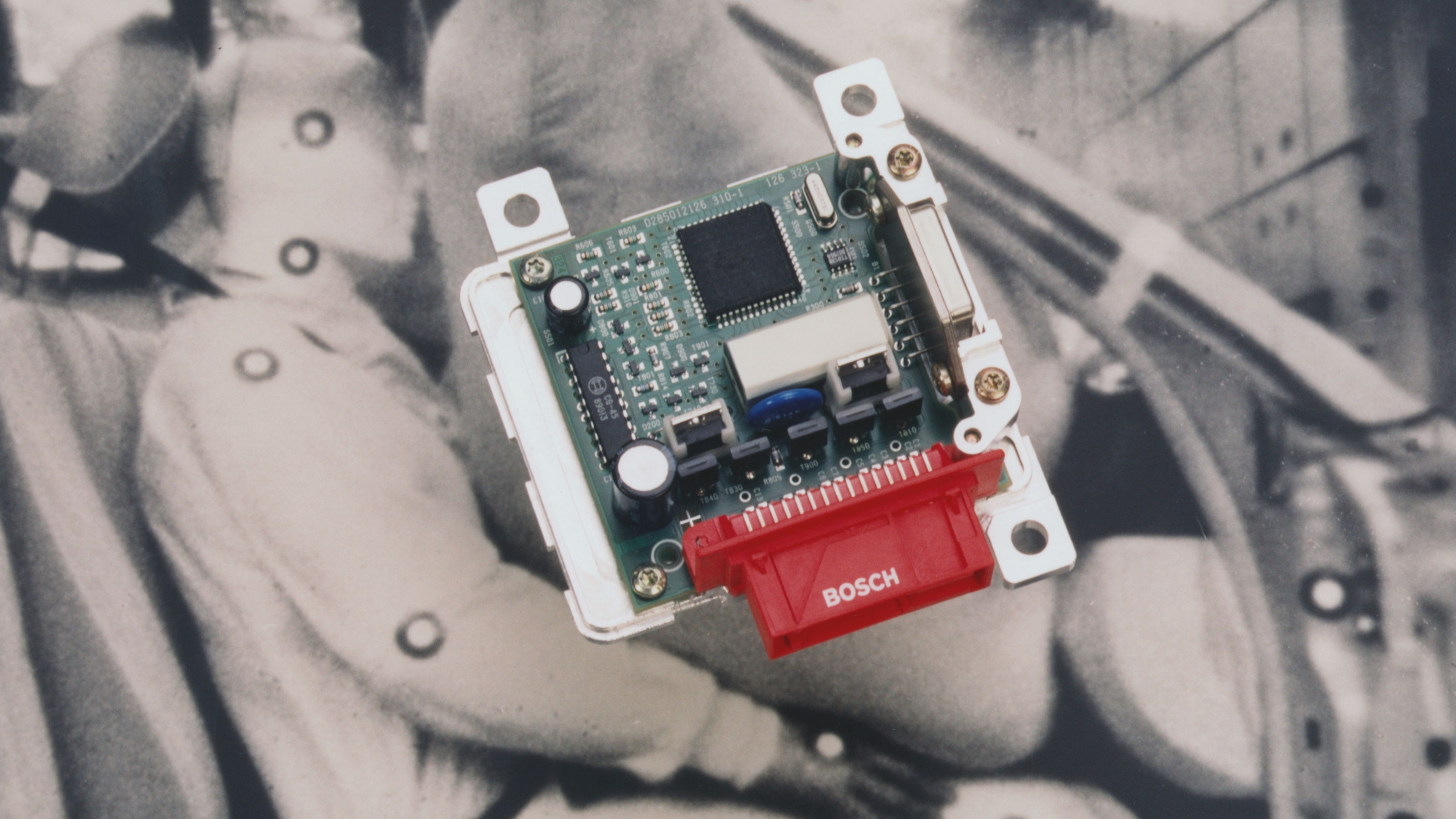
Robert Bosch GmbH is marking four decades of development in automotive airbag control units. The company's initial patent application related to airbag triggering systems was filed in 1976, with the control unit entering series production in 1980.
The first Bosch control unit, equipped with an acceleration sensor, allowed for the timely deployment of airbags during collisions. This first-generation unit, produced from 1980, made its debut in the Mercedes-Benz S-Class in 1981. It was designed to deploy a driver airbag and a two-stage passenger airbag, or an equivalent number of belt tensioners.
The fundamental concept of airbags dates back to the 1950s, but the necessity for enhanced vehicle safety intensified with increasing traffic. The U.S. Department of Transportation's late 1960s legislative efforts for passive safety systems spurred advancements in airbag technology.
Bosch's control unit was tasked with accurately identifying accidents, assessing their severity, and deploying airbags and belt tensioners at the precise moment. The latest generation of Bosch airbag control units, now in its 12th iteration, analyzes inputs from up to 18 external acceleration and pressure sensors and manages up to 48 restraint systems. Airbags, in conjunction with seat belts, represent the most effective passive safety system in vehicles and are now mandatory in most countries.