Bosch researched fuel cells as early as the 1960s
Robert Bosch GmbH began research into fuel cell technology in 1964, a time when the technology's principles were already known. The company's early work focused on efficiency and potential applications beyond space travel.
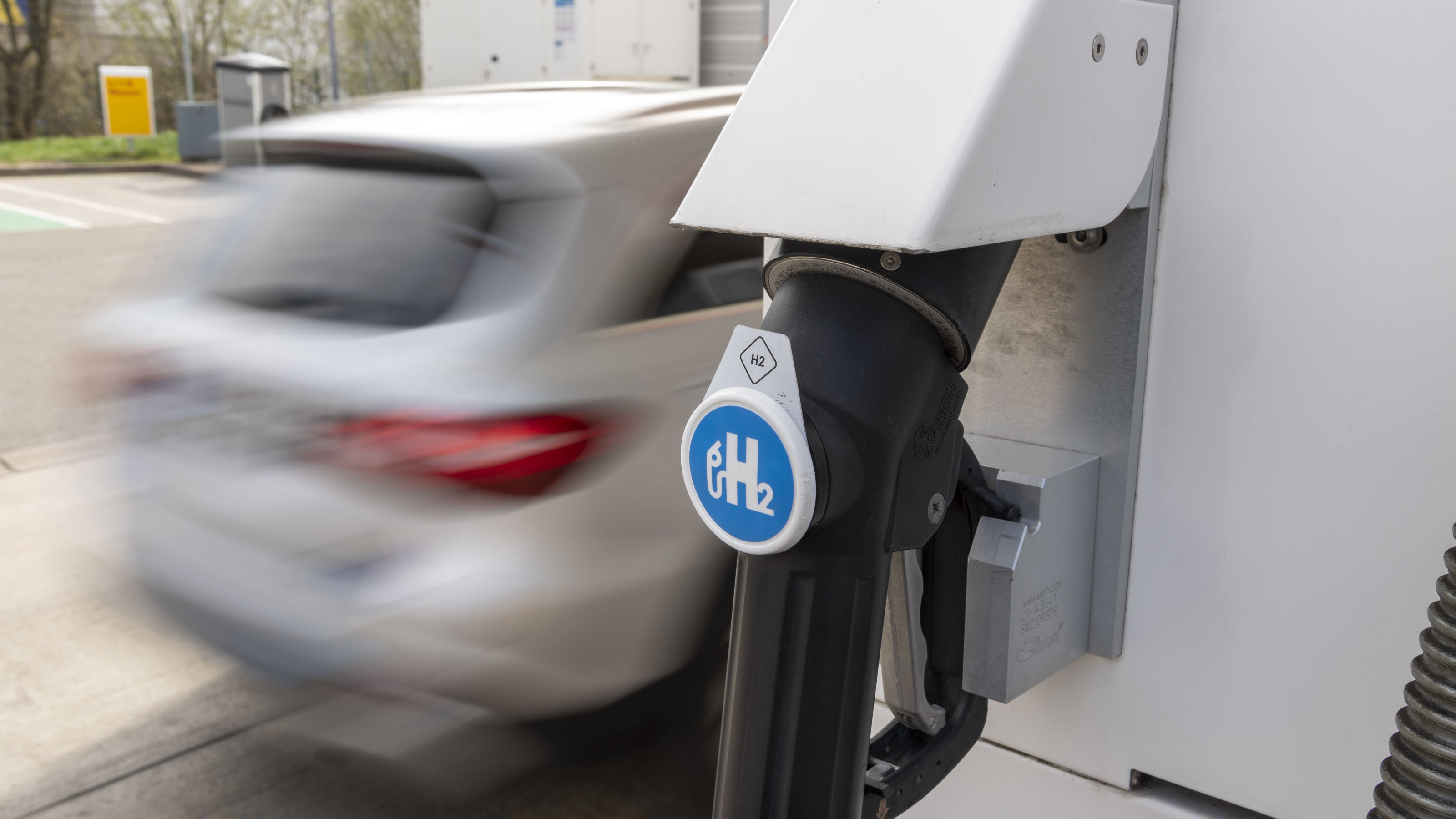
German technology company Robert Bosch GmbH commenced research and development in fuel cell technology as early as 1964. This marked an early engagement with a technology whose fundamental principles had been understood since the 19th century.
The company's first scientific paper on fuel cells was published in June 1964. At that time, laboratory tests demonstrated efficiencies of approximately 85 percent for the electrochemical process, significantly higher than the roughly 30 percent efficiency achieved by burning hydrogen and oxygen for heat.
Werner Herrmann, head of the laboratory for electrochemical power supplies at Bosch, envisioned practical applications for electricity generation, including space travel. While he anticipated a rapid expansion into road vehicles, early successes were more aligned with specialized uses like the fuel cell system employed in the Apollo 11 moon mission.
Despite the early research, translating the concept into a mass-market product remained a significant challenge due to issues of durability, performance, and affordability. This core challenge has persisted as Bosch continues to develop technologies for hydrogen generation, storage, and utilization, aiming for wider adoption of fuel cell technology.