Bosch to Enhance Vehicle Functions Using Edge Cloud Computing
Robert Bosch GmbH is participating in the European IPCEI-CIS project to develop safety and time-critical vehicle applications through edge cloud computing.
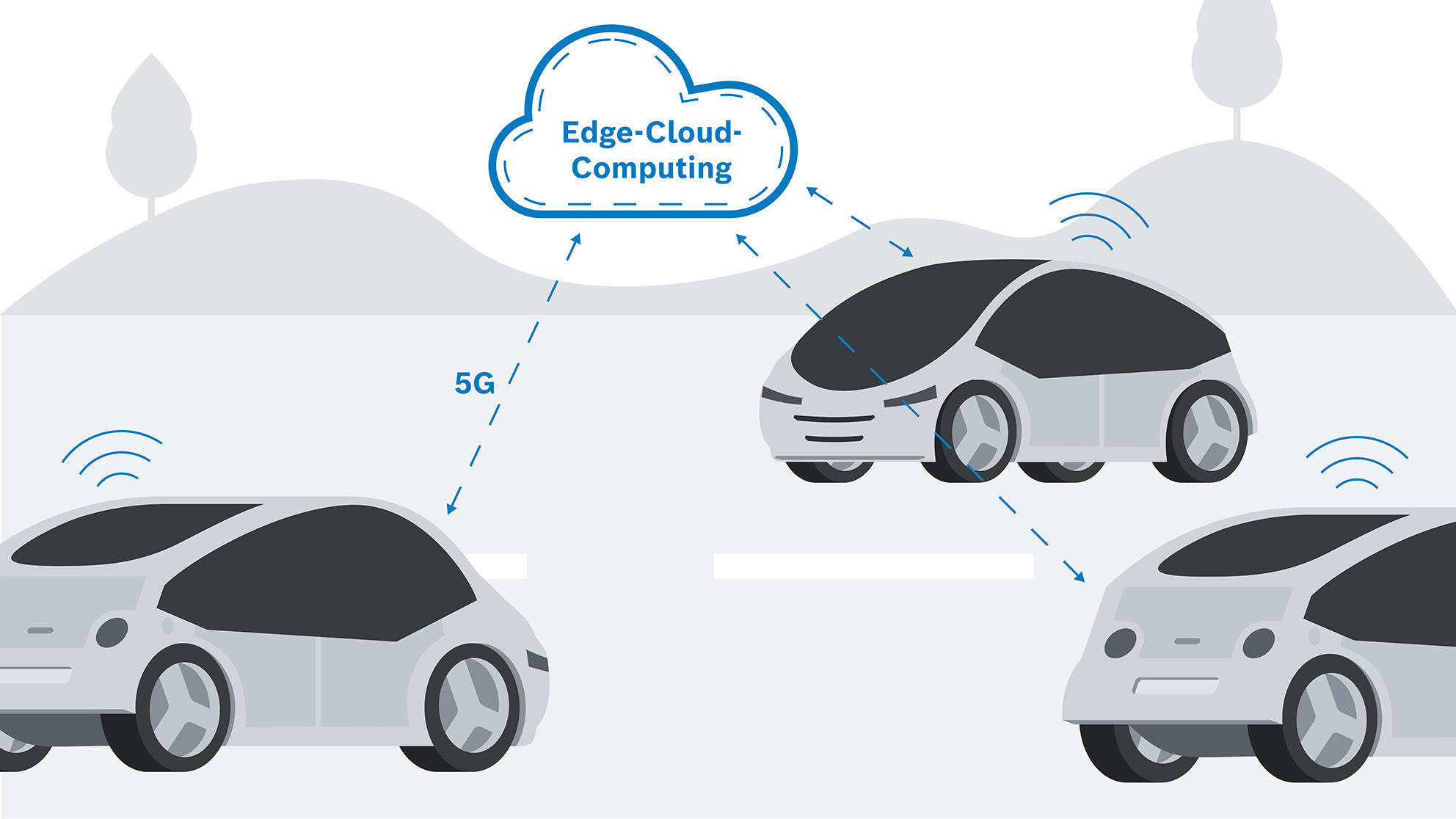
Renningen, Germany – Robert Bosch GmbH has begun its participation in the European IPCEI-CIS project, aiming to expand vehicle functionalities by leveraging edge cloud computing. The initiative seeks to create solutions for implementing safety and time-critical applications within a decentralized software infrastructure.
Modern vehicles increasingly rely on software-defined features, such as advanced driver-assistance systems. However, these systems demand significant computing power and energy within the vehicle, potentially limiting electric vehicle range and increasing costs. Furthermore, the scope for software updates during a vehicle's lifespan is constrained by its onboard hardware.
Bosch is now exploring a model where some of these demanding functions would be offloaded to an external edge cloud environment, connected to the vehicle via 5G technology. This approach could reduce the internal processing load in the vehicle, improve energy efficiency, and allow for more flexible software updates.
The "CUBE-C — Cyber-Physical Systems (CPS) Cloud Continuum" project is part of the broader, EU-funded IPCEI-CIS initiative, involving over 100 companies and research institutions from twelve EU member states. Bosch aims to collaborate with other European firms and telecommunications providers to develop solutions that reduce technological dependencies and enable new data-driven business models, particularly in artificial intelligence and the Internet of Things (IoT).
Bosch is managing the project and developing methods, modules, and tools in conjunction with the company's divisions and subsidiary ETAS. The goal is to directly integrate the latest research findings into product development and make them available beyond Bosch. The three-year project is scheduled for completion in 2026.