Bosch's Fire Detection Systems: From Early Alarms to AI Video
Robert Bosch GmbH has a decades-long history in fire detection technology, having entered the field in the early 1980s. The company now utilizes AI-powered video systems for advanced protection.
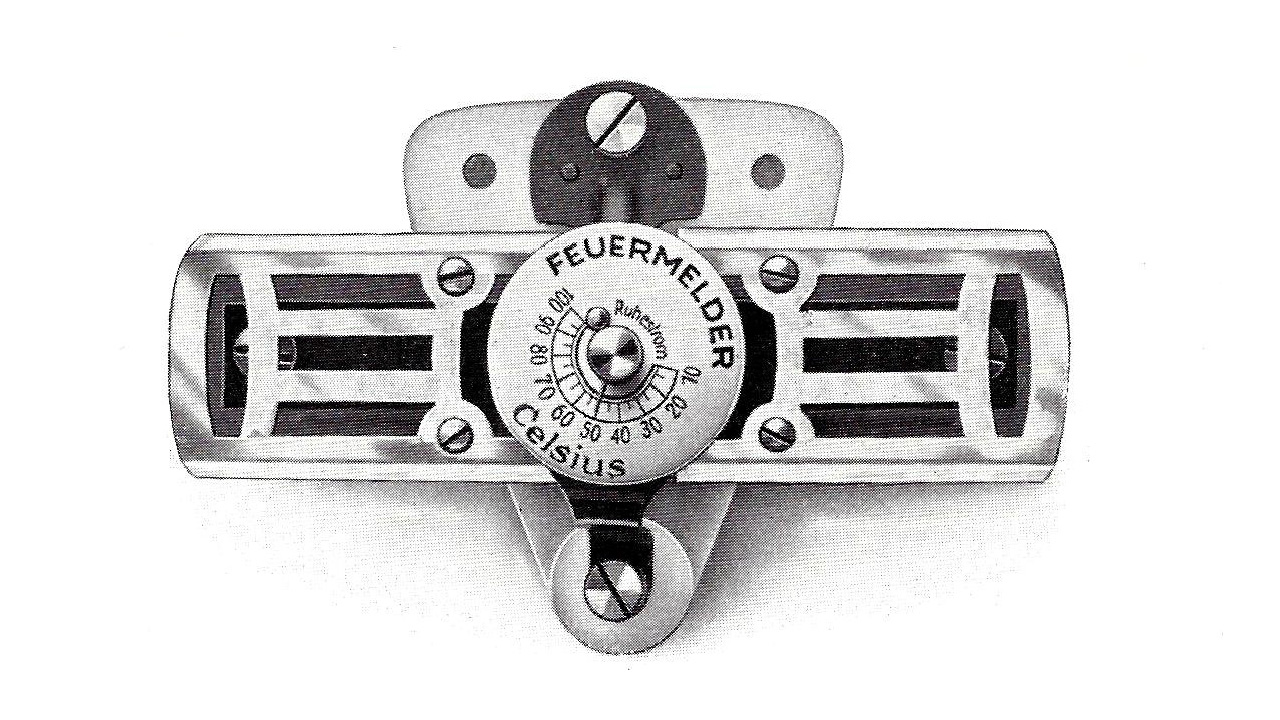
Robert Bosch GmbH has established a long-standing expertise in fire detection technology, with the company having been involved in the sector for decades.
Bosch Building Technologies recently implemented an AI-powered, video-based fire detection system at Aachen Cathedral. This advanced system can identify flames and smoke across 16 rooms, adapting to the cathedral's complex architecture. The discreetly installed cameras can also function as a burglar alarm, enhancing security around valuable exhibits.
The history of fire alarm systems at Bosch dates back to the early 1980s, following the expansion of its communications technology division and the acquisition of Telefonbau und Normalzeit. Feuerlöscher-Produktion AG, a predecessor company, had begun developing fire alarm systems as early as the 1920s.
Initial fire detection systems relied on heat-sensitive elements. A temperature increase would cause a metal strip to deform, breaking a circuit and triggering an alarm at the control panel. Subsequent decades saw the introduction of systems responding to smoke and flame flicker.
Modern fire detection, as seen in Bosch's current offerings, includes optical detectors that operate on the scattered light principle. These systems represent a significant evolution from the early heat-based alarms, providing more sophisticated and integrated safety solutions.