Brain Research Identifies Cortical Cells Capable of Initiating Sleep
New research challenges the long-held view of sleep regulation by identifying cells within the brain's cortex that can initiate deep sleep independently.
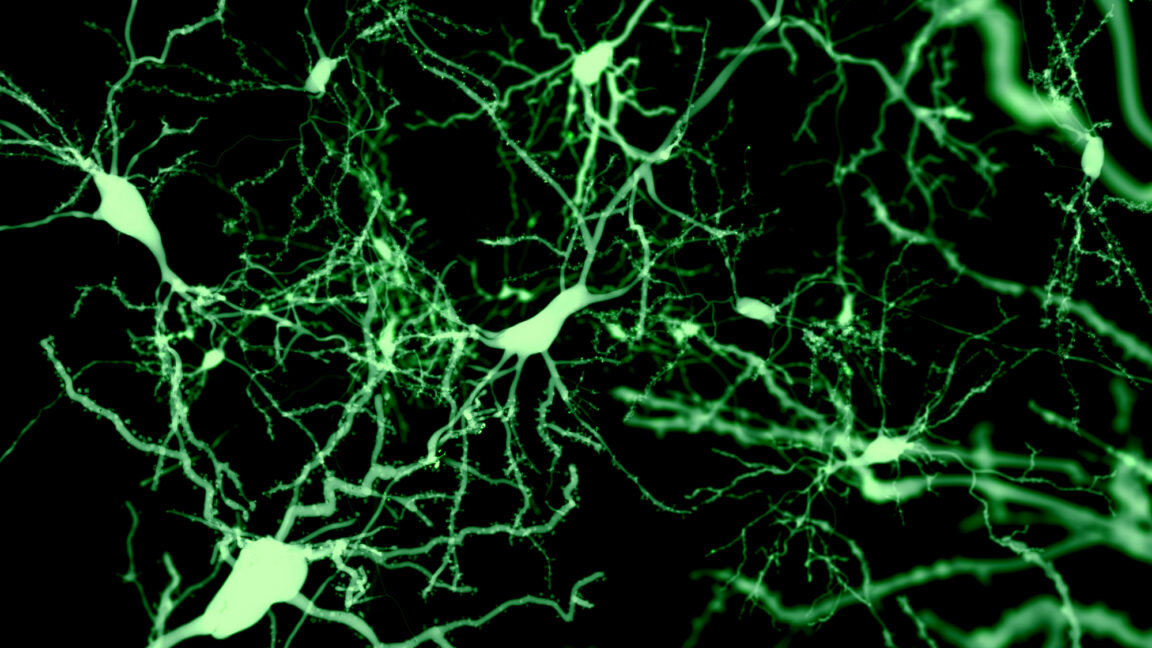
Researchers at the Albert Einstein College of Medicine in New York have identified a population of cells in the brain's cortex that can initiate sleep. This finding challenges the prevailing notion that sleep is primarily controlled by signals from deeper brain regions.
The study, led by neuroscientist Geoffrey Terral and Renata Batista-Brito, published in Nature, suggests that the cortex is not just a passive recipient of sleep rhythms but can also generate them. This discovery shifts the understanding of how sleep is regulated.
These specific cortical cells, making up about one percent of the cortex's inhibitory neurons, were found to induce sleep in mice when activated. Terral stated that the cortex can "initiate" sleep rhythms by itself, and this is sufficient to promote sleep.
The findings provide new insights into the neural mechanisms of sleep and could have implications for understanding and treating sleep disorders.