Brain Research: Imbalances in Prefrontal Circuits Disrupt Reversal Learning
New research reveals that over- or underactivity in prefrontal circuits can impair the brain's ability to adapt to changing circumstances, affecting decision-making and learning.
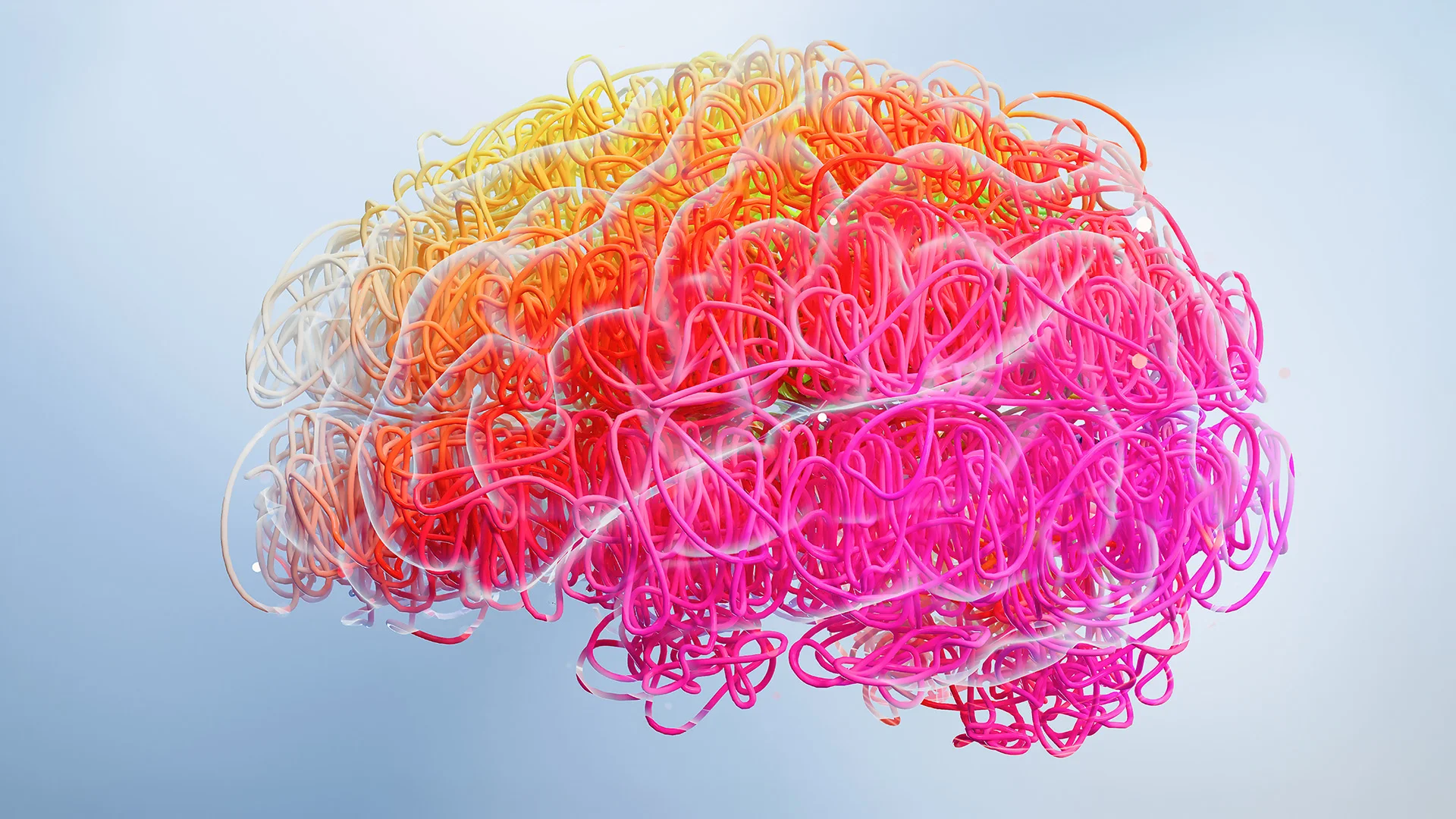
New research from the University of Nottingham sheds light on the function of the brain's prefrontal cortex and its role in human cognitive flexibility. The study, published in the Journal of Neuroscience, indicates that both underactive and overactive prefrontal circuits can disrupt reversal learning, the brain's ability to update responses when a previously learned strategy is no longer effective.
Cognitive flexibility is crucial for navigating an unpredictable world. Tasks like changing a commute route due to traffic or adjusting to project modifications require the brain to adapt quickly. Reversal learning is a key mechanism enabling this adaptation, allowing individuals to shift their behavior when outcomes change.
The research utilized experiments with adult male rats. Subjects were trained to press one of two levers for a reward. Researchers then reversed which lever yielded the reward, testing the rats' ability to adapt their learned behavior. The findings suggest that distinct patterns of prefrontal circuit activity, either hypo- or hyperactive, impact reversal learning at different stages of adaptation.
The study focused on the neurotransmitter GABA's role in regulating prefrontal cortex activity, where GABA typically inhibits neural processes. Researchers noted that impairments in GABA function and prefrontal overactivity are characteristic of conditions like schizophrenia, which often involve reduced behavioral flexibility. While conducted on rodents, these findings may offer insights into human decision-making and neurological disorders.