Building Anomaly Halts Major NYC Office-to-Housing Conversion
The buckling of steel columns during an office-to-housing conversion in New York City has halted one of the nation's largest such projects, highlighting complex engineering challenges.
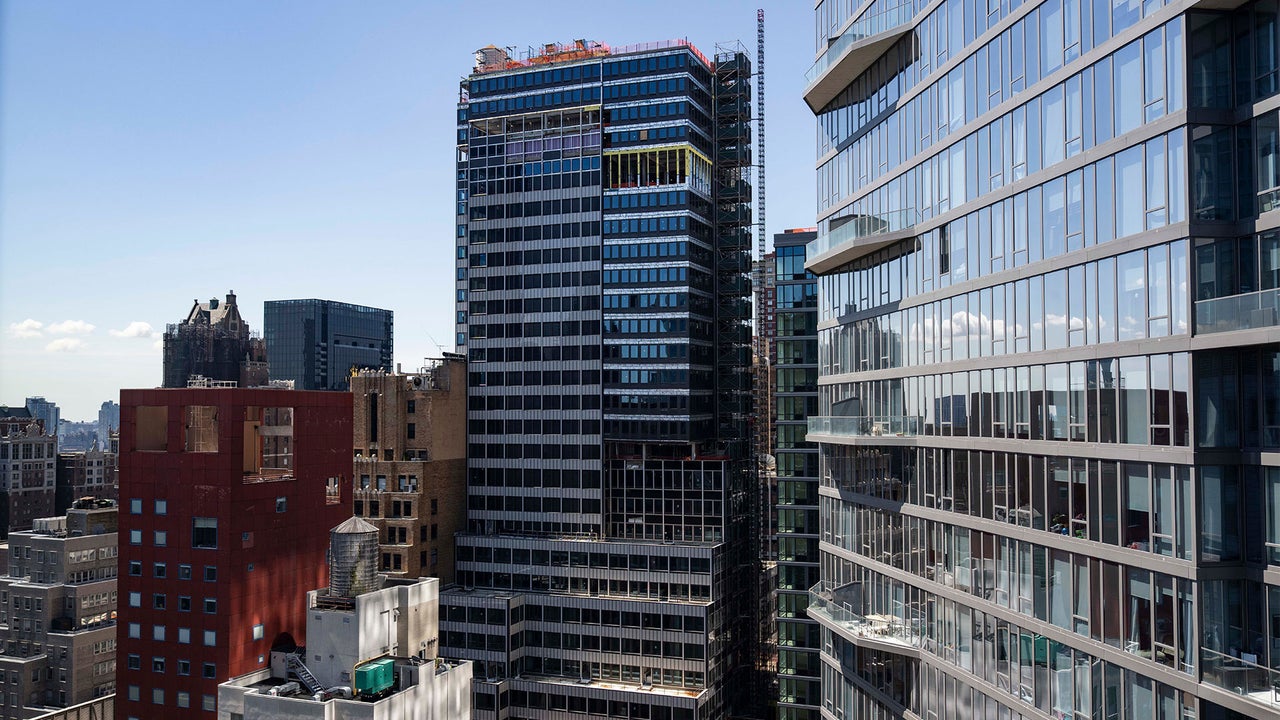
The buckling of two steel columns this week inside the former Pfizer headquarters in midtown Manhattan has halted work on one of the nation's largest office-to-apartment conversions. The incident has drawn attention to the complex engineering required for adaptive reuse projects.
The plans aim to transform two office buildings into approximately 1,600 apartments by adding new stories atop an older structure and redesigning an existing one. The buckling occurred on the 21st floor of the newer building, and temporary supports have been installed as investigations proceed.
Engineering experts acknowledge the complexity of such conversions, including ensuring older buildings can safely support new loads and reconfiguring floor plans for residential use. However, they maintain that this setback does not fundamentally question the industry's expertise.
"I don’t think it really brings into question our understanding of how to do something like this," said Ben Schafer, a structural engineering professor at Johns Hopkins University. He explained that the likely approach involves allowing the historic building to bear its own weight while incorporating a new structural system for additions, and managing the transfer of loads from new floors down to the foundation. For the other tower, challenges include creating functional living spaces and ensuring the steel frame can support new loads.
Office-to-residential conversions are a key strategy being pursued in New York and other cities to address housing shortages and revitalize downtown areas impacted by the pandemic. While risks are inherent, experts view these projects as necessary for accommodating urban growth.