Building Performance Becomes Mission-Critical for Aviation and Transit Infrastructure
The design of building performance for aviation and transit infrastructure has evolved from mere compliance to strategic investment. Facilities now require continuous operation, energy efficiency, and resilience.
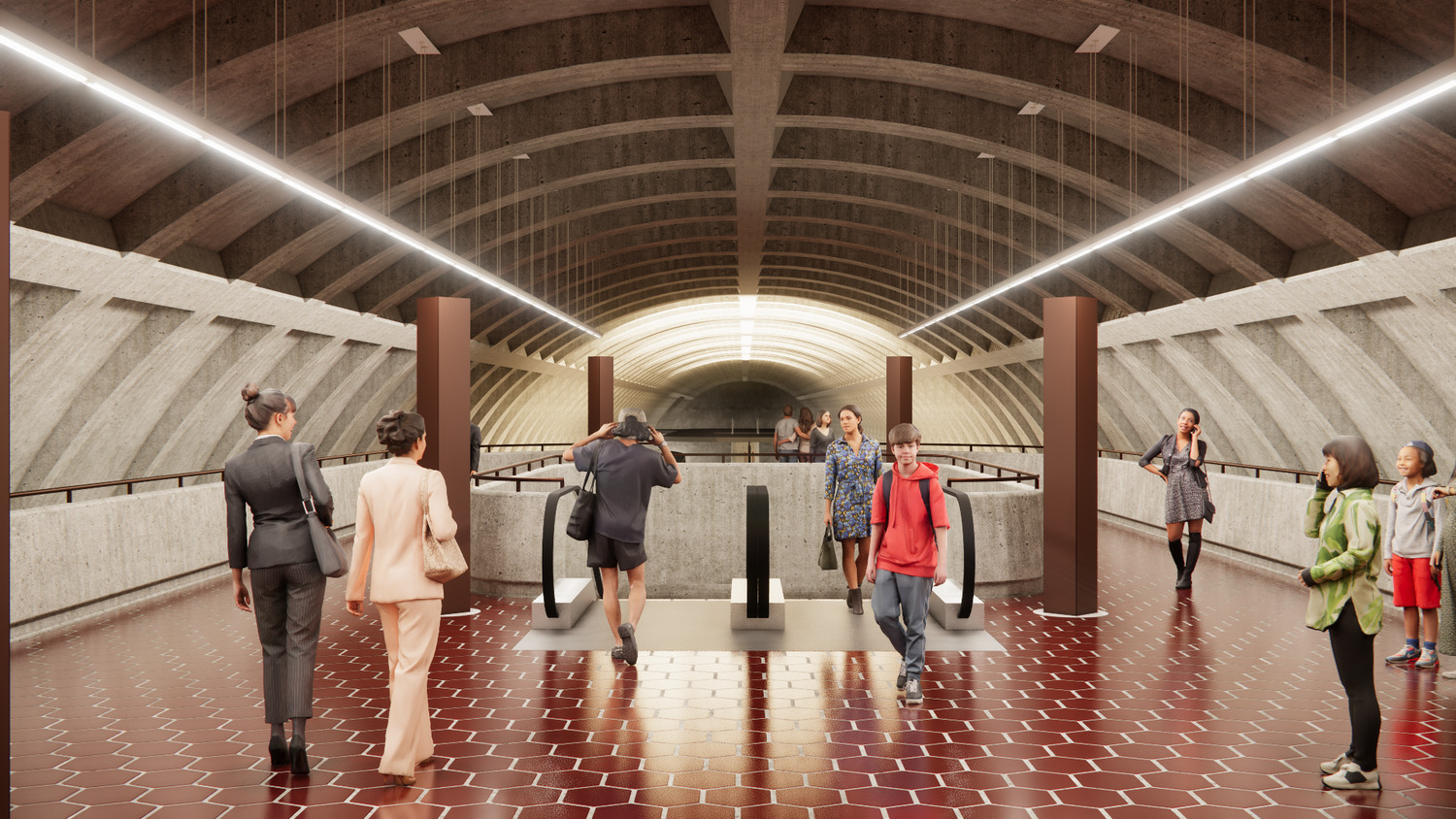
Building performance engineering for aviation and transit infrastructure has significantly evolved. The focus has shifted from merely meeting minimum requirements to a more integrated approach, balancing energy efficiency, resilience, reliability, and occupant experience.
Airports and transit hubs are complex, energy-intensive environments that must operate continuously while adapting to new technologies, regulations, passenger expectations, and ambitious sustainability goals. Across North America, these authorities are heavily investing in facility expansions, modernization, electrification, and decarbonization strategies.
The perspective on building performance has changed from simple regulatory compliance to a strategic investment. The aim is to reduce operating costs, extend asset life, and improve passenger comfort, as well as facility resilience and sustainability. Modern building management systems optimize operations, proactively identify maintenance needs, and support emission reduction goals.
Decisions made early in the planning and design process have the greatest impact on lifecycle costs and long-term performance. Airports consume substantial energy, and owners must balance energy needs with decarbonization and resilience objectives.