Built-in Gas Hobs: A Guide for Kitchen Renovations
Built-in gas hobs offer a sleek, space-saving solution for modern kitchens. Before purchasing, homeowners should consider their advantages, disadvantages, and installation requirements.
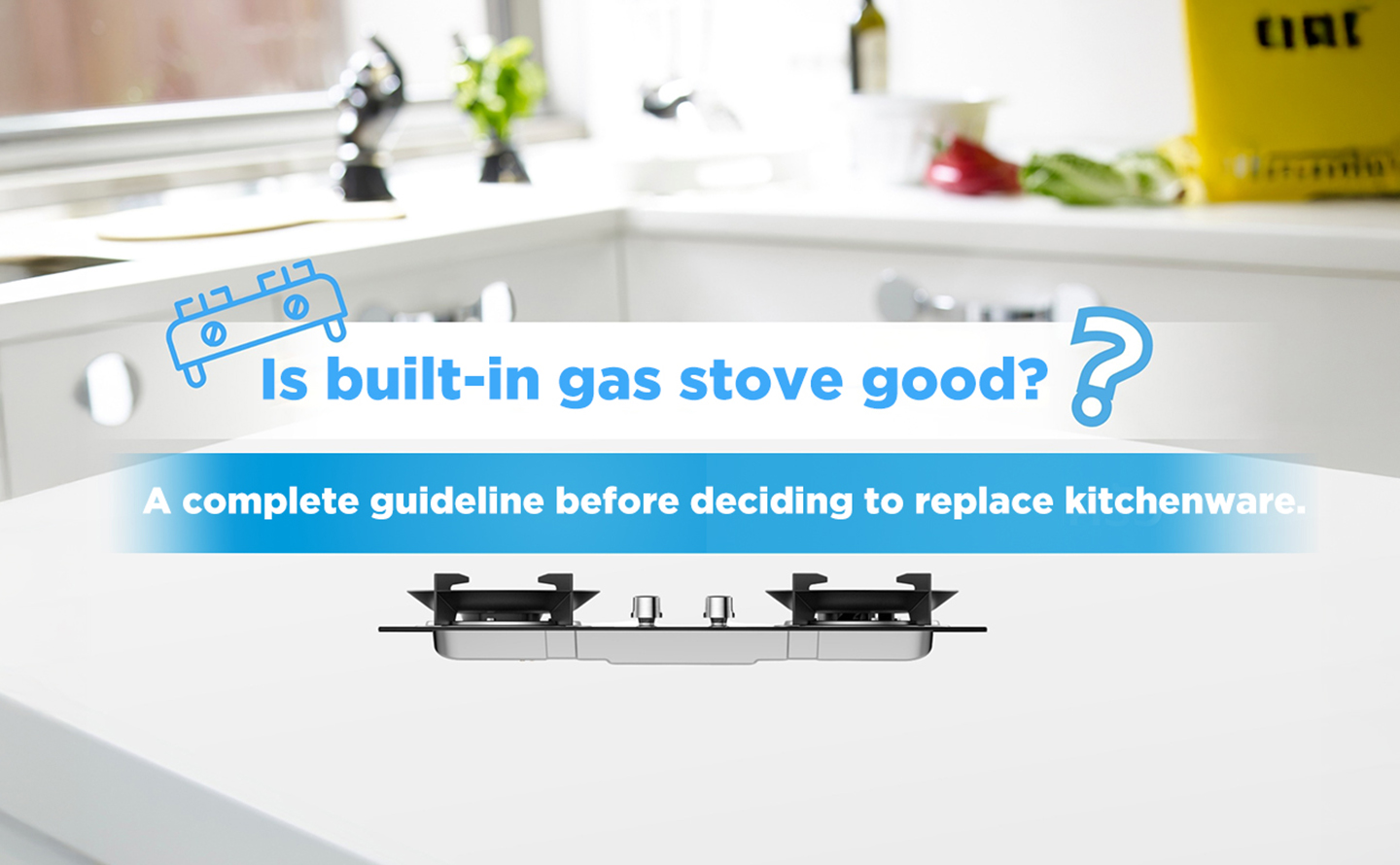
For homeowners planning a kitchen renovation, built-in gas hobs present an attractive blend of modern design and practicality. These hob models, installed directly into the countertop, create a seamless surface that maximizes workspace and simplifies cleaning.
The primary advantages of built-in gas hobs include their elegant aesthetic and space-saving capabilities. Unlike freestanding units, they contribute to a cohesive kitchen environment without visible edges or crevices that collect dirt. They are often constructed from easy-to-clean materials like glass or stainless steel. Safety features, such as automatic gas shut-off if the flame extinguishes, enhance cooking security, while even heat distribution improves efficiency.
However, potential buyers should also consider other factors. Installation requires precise planning and is best suited for new builds or major renovations, as countertop cut-outs are permanent. The more complex installation and materials can result in a higher purchase price compared to traditional models. Service and repairs may also be more intricate, particularly if the hob is deeply integrated into the countertop.
When selecting a model, it is important to evaluate the size, number of burners, safety features, and materials in relation to personal cooking habits and budget. Choosing a reputable brand with good after-sales support ensures the unit's long-term functionality and safety. A well-chosen built-in gas hob can enhance a home's value and make cooking more enjoyable.