Calcination Alters Materials Permanently Through Heat Treatment
Handan Qifeng Carbon states that calcination is not mere heating, but a process that permanently alters a material's chemical composition and structure, yielding new properties.
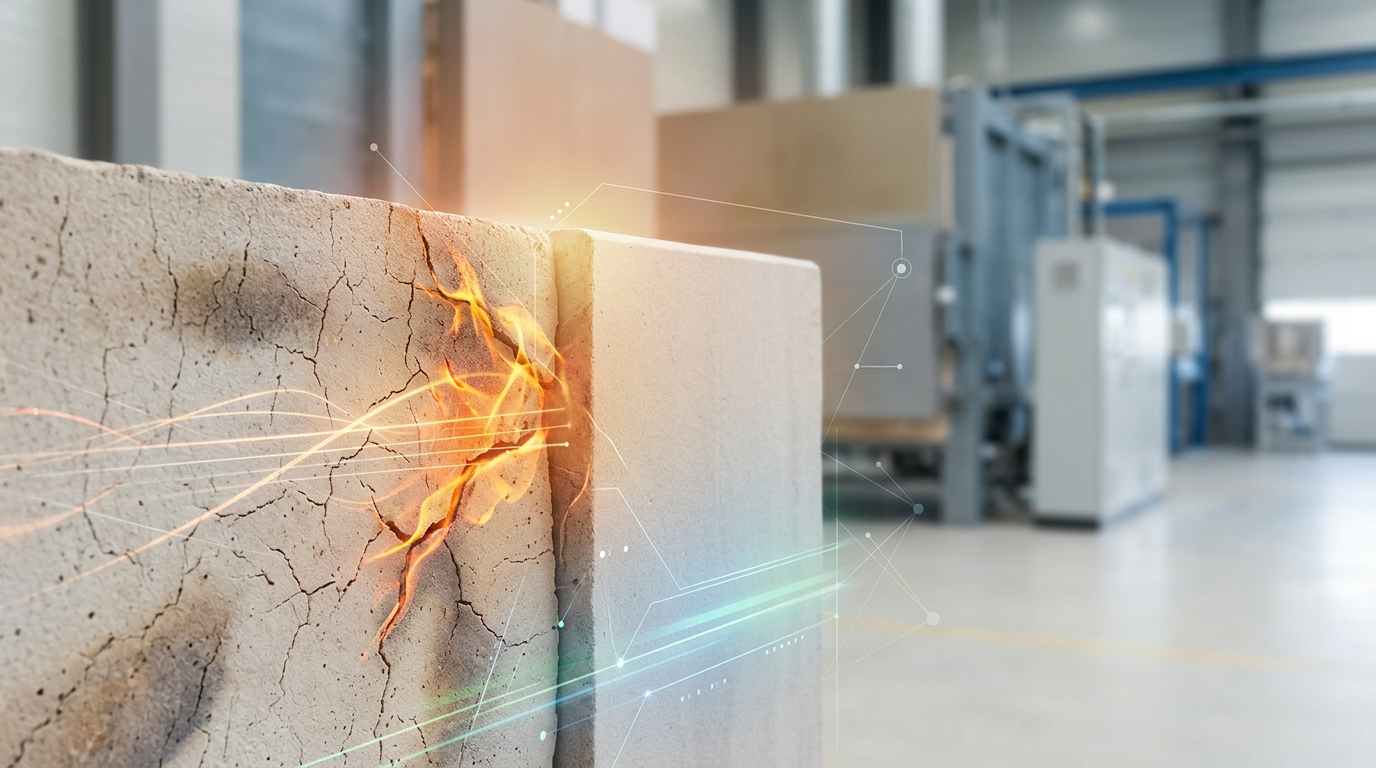
Chinese firm Handan Qifeng Carbon Co., Ltd. clarifies that the industrial calcination process is far more than simple material heating. According to the company, it is effectively a heat treatment modification that induces irreversible chemical and structural changes within materials.
Unlike ordinary heating, which raises a material's temperature temporarily without lasting effects, calcination initiates chemical reactions under precisely controlled temperature-time conditions. These reactions alter the material's composition and reorganize its microstructure, leading to the emergence of entirely new properties. Post-process, the material has been permanently transformed.
Several simultaneous changes can occur during calcination. These include chemical decomposition, such as calcium carbonate turning into calcium oxide and carbon dioxide at elevated temperatures. The process also expels crystal water and hydroxyl groups, changing the material's stoichiometric ratio. It can also lead to phase transformations and crystal structure alterations, yielding materials like titanium dioxide in either anatase or rutile forms, with differing performance characteristics.
Furthermore, calcination promotes grain growth and sintering, reducing porosity and increasing density. These microstructural evolutions directly impact the material's mechanical strength and electrical conductivity. Under specific conditions, such as a reducing atmosphere, calcination can also induce oxidation-reduction reactions.
Handan Qifeng Carbon emphasizes that calcination can thus be considered a heat treatment where temperature is used as the primary means to induce intended changes in a material's microstructure and properties. Precise control over temperature, holding time, and cooling method dictates the final material's performance, highlighting the process's deeper nature beyond simple heating.