Can Design Prevent Sex in Self-Driving Taxis?
Reports of sexual activity in self-driving taxis have raised questions about vehicle design and the boundaries of rider behavior.
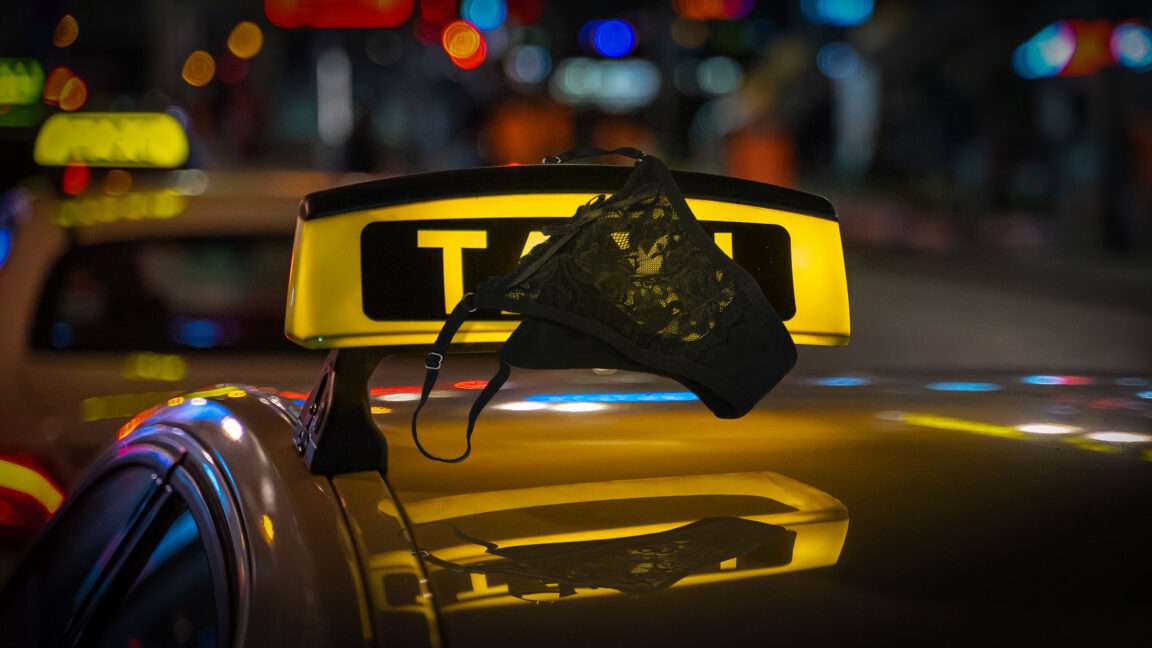
Incidents of passengers engaging in sexual activity within self-driving vehicles, including those from Tesla and General Motors' now-defunct Cruise unit, highlight challenges arising from the absence of human driver oversight. These occurrences prompt consideration of how vehicle design might influence passenger conduct.
"The interiors of vehicles have been sexualized and appropriated for sex since forever in popular culture," stated Alexandros Rouchitsas, a human factors and UX researcher. He co-organized a recent workshop, "Love in Traffic," in Sweden, bringing together academics and industry professionals to explore design's potential role in addressing the issue.
The removal of a human driver eliminates the social obligation for small talk and interaction, potentially leading riders to assume a greater degree of privacy than vehicle cameras and terms of service permit. This perceived privacy has contributed to misuse, such as teenagers consuming alcohol and discharging gel beads from a Waymo vehicle.
Ongoing discussions focus on how interior design choices, including material selection and the integration of surveillance, could foster appropriate behavior and mitigate the potential for misuse in autonomous ride-hailing services.