Canada Responds to Trump's Proposed 50 Percent Tariffs
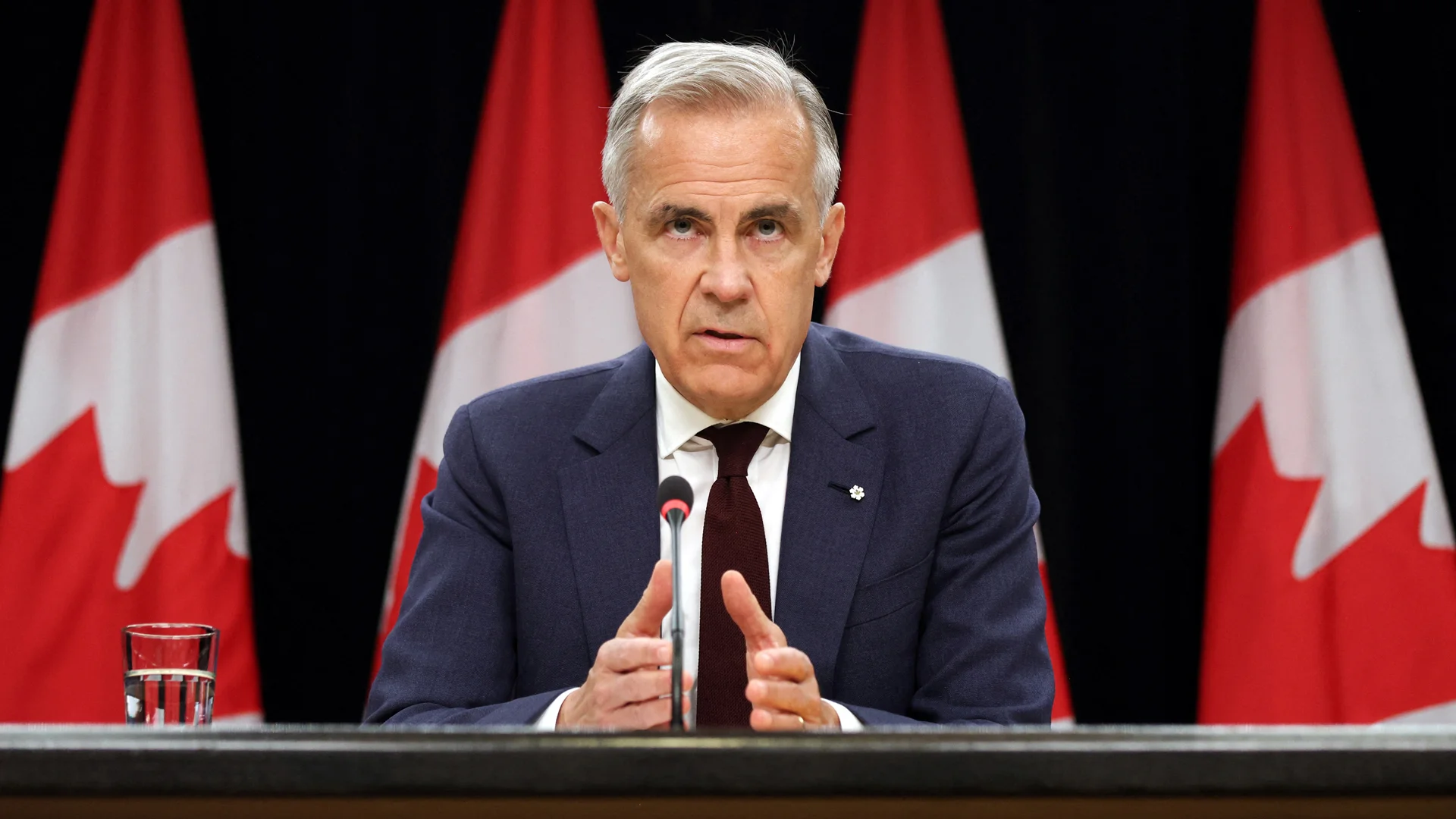
Canadian Prime Minister Mark Carney warns of rising consumer costs following new U.S. tariff proposals. The country's leaders signal an aggressive stance in response to the measures.
U.S. President Donald Trump recently announced plans to impose a 50 percent tariff on Canadian goods, including alcoholic beverages and dairy products. The announcement has prompted swift reactions from Canada.
Canadian Prime Minister Mark Carney has strongly criticized the decision, calling it a direct violation of the United States-Mexico-Canada Agreement (USMCA). Carney stated on X that the trade dispute has increased costs for families, particularly in the U.S., and that Canada is prepared to engage in intensive discussions to resolve outstanding issues to the mutual benefit of both nations.
The White House issued a statement asserting that the move is a response to Canada's "discriminatory treatment of American products." The statement indicated that President Trump aims to level the playing field and offset the disadvantages faced by U.S. commerce.
The U.S. administration claims that Canada imposes certain tariffs on U.S. imports but not on similar imports from other countries. These measures, invoked under Section 338 of the Tariff Act of 1930, have never been used before and are set to take effect 30 days after signing.
The tariffs specifically target alcohol imports. The White House statement alleges that most Canadian provinces and territories have halted the purchase, distribution, or sale of U.S. alcoholic beverages, while imposing no similar restrictions on imports from other nations. Data cited indicates an approximately 81 percent decrease in U.S. alcoholic beverage imports to Canada between March 2025 and February 2026.
Alfredo Carrillo Obregon, a policy analyst at the Cato Institute, commented that if the tariffs are intended to inflict significant economic pain, they are unlikely to be effective. The targeted goods represent only five percent of Canada's total imports into the U.S.