Candidates Trade Barbs Over Meat Prices Amid Midterm Campaigns
Meat has become a contentious issue in U.S. political campaigns as candidates engage in heated debates over rising prices and perceived opposition to meat consumption. Republicans and Democrats are accusing each other of policies impacting the cost and availability of meat.
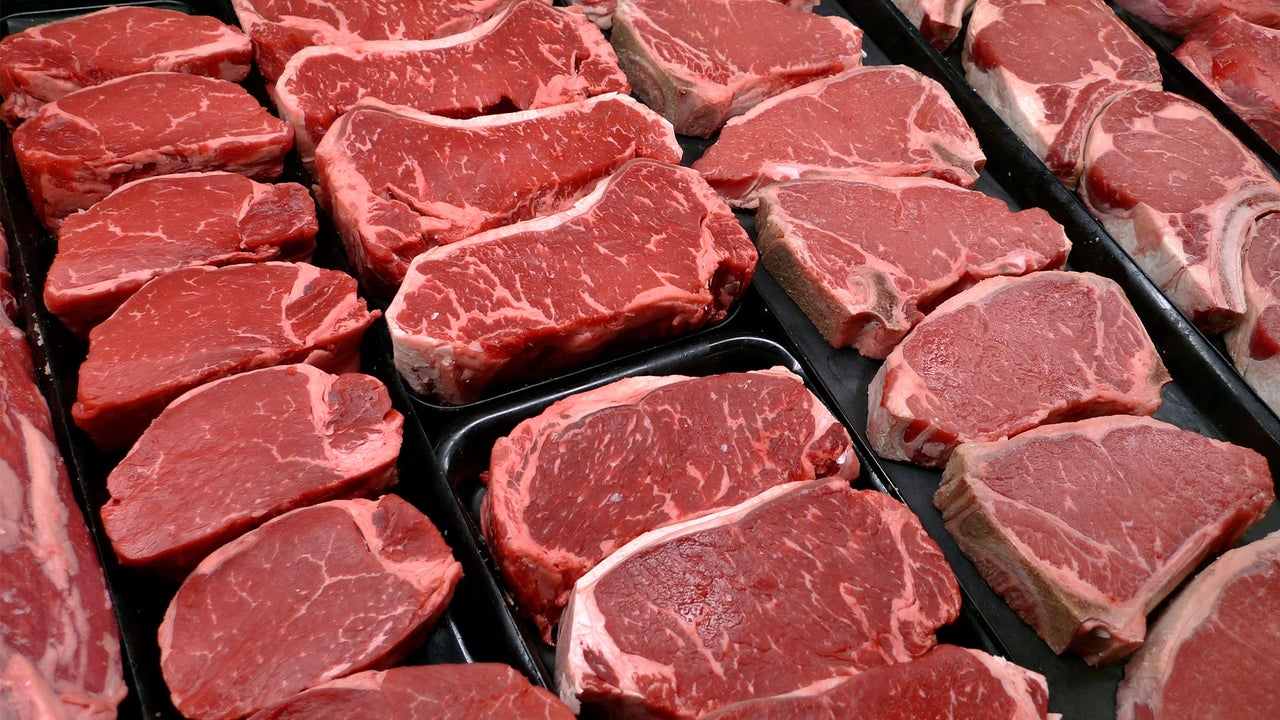
As the U.S. midterm election campaigns intensify, meat has emerged as a significant point of contention between political parties. Both Democrats and Republicans are trading accusations regarding high meat prices and alleged attempts to curb meat consumption, turning food preferences into a political battleground.
Republicans have frequently targeted Democratic candidates, portraying them as vegans or opponents of meat consumption. This strategy aims to depict Democrats as culturally out of step with voters and hostile to the agricultural sector. In Texas, Republican efforts focused on a past interview where Democratic nominee James Talarico discussed his campaign's shift towards veganism. Talarico has since made public appearances consuming barbecue to counter these claims.
In Colorado, Democratic congressional candidate Manny Rutinel has faced criticism for his past activism against meat production and factory farming. Rutinel's history includes advocating for reduced meat consumption and supporting measures like increased taxes on meat products. His opponent, Republican Rep. Gabe Evans, stated his concern is not with Rutinel's personal diet, but with any perceived government intervention influencing citizens' eating habits.
Democrats, conversely, have highlighted rising meat prices as a component of broader inflation impacting consumers' budgets, often attributing these increases to the policies of the previous administration. The high cost of meat has become a particularly sensitive issue in rural areas where agriculture and livestock farming are primary industries, potentially creating vulnerabilities for Republicans in these regions.