Car registrations increase in nearly 90 percent of German cities
An analysis by Deutsche Umwelthilfe shows a rise in private car ownership in almost 90 percent of German cities studied between 2019 and 2026.
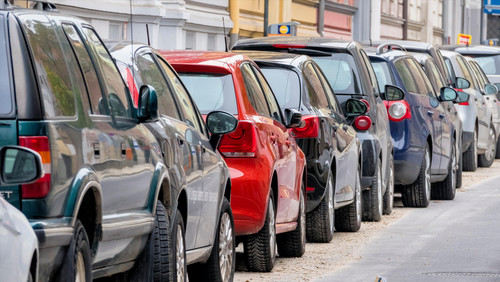
Berlin – The number of private cars has increased significantly in Germany in recent years, according to an analysis released by the Deutsche Umwelthilfe (DUH) organization on Friday. The study, which tracked 105 cities from 2019 to 2026, found that private car registrations rose in nearly 90 percent of them. In total, approximately 250,000 new private cars were added across Germany.
Cities experiencing the largest increases included Cologne, with over 13,000 new private car registrations, and Munich, with a nearly equal rise. Duisburg and Dortmund also saw substantial growth in their car fleets. Only 12 cities reported a decrease in private car numbers.
The DUH is now calling for decisive action to transform urban mobility. The organization proposes the widespread implementation of parking management systems, a reduction in parking spaces in public areas, and a ban on oversized SUVs in city centers. Concurrently, DUH emphasizes the need to expand infrastructure for public transport, cycling, and walking.
"Cities must no longer favor cars through cheap or free parking on public land," stated Jürgen Resch, Federal Managing Director of DUH. "We demand comprehensive parking management, with an annual fee of at least 360 euros for resident parking permits, and significantly more for particularly large vehicles. Short-term parking should cost at least as much as a single bus ticket."
DUH suggests that revenue generated from parking fees should be directly reinvested in the expansion of bus and train services, as well as cycle and pedestrian paths. The organization also advocates for reliable and affordable public transportation, alongside a connected network of safe cycling routes.