Cargill Highlights Five Key Facts on Agricultural Water Use
Agriculture accounts for 70% of global freshwater use, making water stewardship critical for a resilient food system. Cargill promotes regenerative practices to conserve water resources.
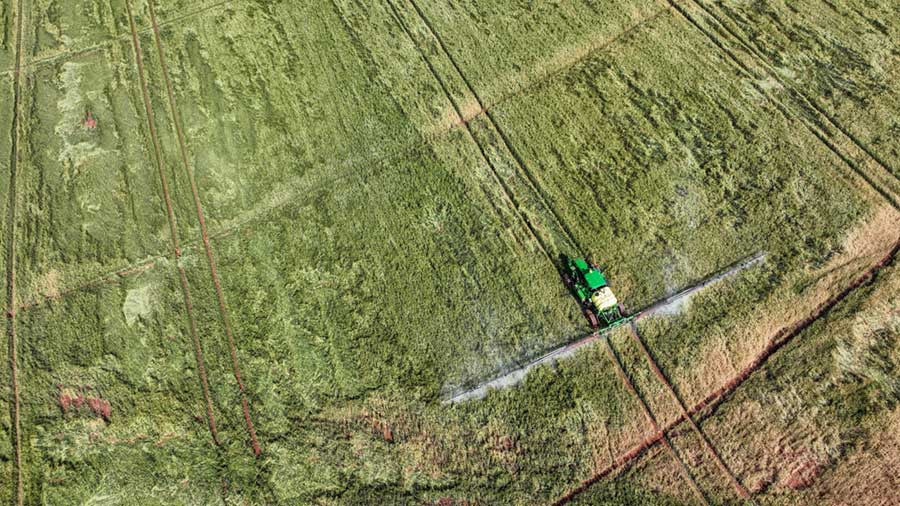
Global agriculture company Cargill has outlined five key facts regarding water usage in agriculture and the company's initiatives to promote water conservation.
The company's statement emphasizes that agriculture is responsible for approximately 70% of global freshwater consumption. This statistic underscores the necessity of efficient and responsible water management for the sustainability of the entire food system. Cargill asserts that its efforts extend beyond its direct operational footprint to encompass its agricultural supply chains, which constitute over 90% of the company's water impact.
Cargill is actively working with farmers and partners to advance solutions, including regenerative agriculture practices. In the year 2025, the company reported restoring 91 billion liters of water, with 93% of this impact attributed to regenerative agriculture methods. These practices are recognized for their role in enhancing climate resilience, supporting biodiversity, and improving farmer livelihoods.
Furthermore, the release draws attention to the significant link between water resources and climate change. Climate change exacerbates water scarcity through increased droughts and floods, impacting already strained freshwater supplies. As an industry heavily reliant on consistent water availability, agriculture is at the forefront of this challenge. Cargill is collaborating with organizations such as the Soil Health Institute (SHI) to promote water stewardship within agricultural value chains in North America. This partnership aims to equip farmers with tools to improve drought resilience and encourage more efficient water utilization.