CDC Blocks States From Ordering COVID-19 Shots for Children
The U.S. Centers for Disease Control and Prevention has delayed the distribution of COVID-19 vaccines, impacting access for children as respiratory virus season approaches. Approximately half of U.S. children may face uncertainties in obtaining shots.
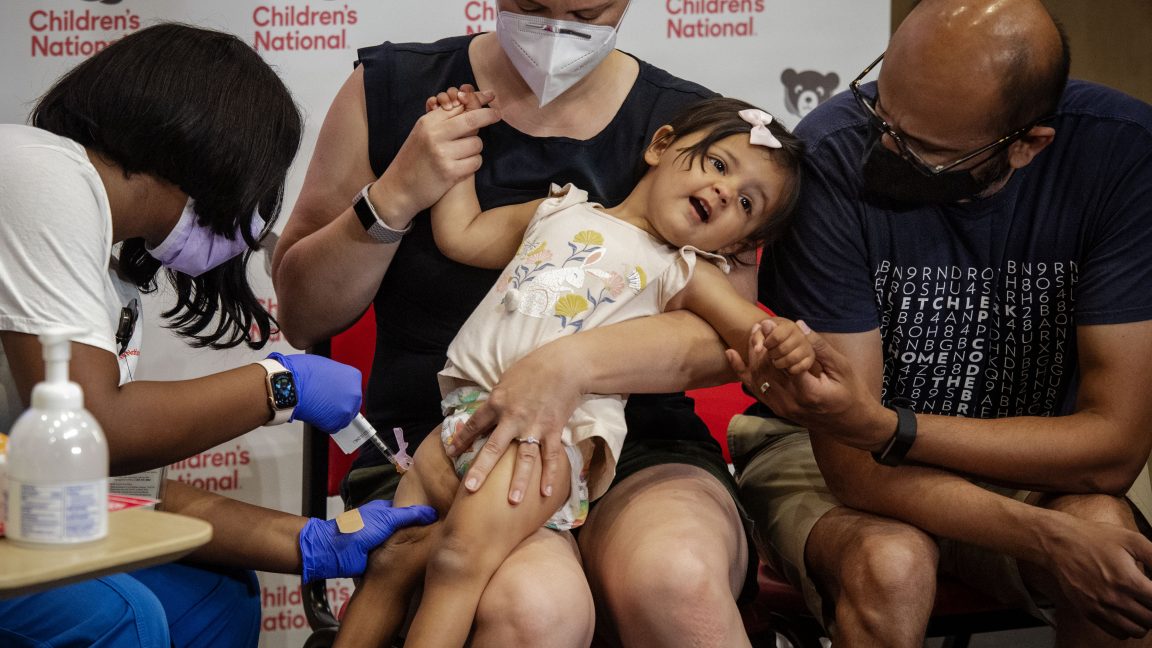
The U.S. Centers for Disease Control and Prevention (CDC) has unexpectedly delayed the distribution of this year's COVID-19 shots to a key federal program and some states. This development jeopardizes vaccination schedules for more than half of U.S. children as the respiratory virus season nears.
Typically, the CDC allows states to order newly available seasonal COVID-19 vaccines through the federal Vaccine for Children (VFC) program. This program provides vaccines at no cost to children who are uninsured, underinsured, eligible for Medicaid, or are Indigenous people in the U.S. Approximately 52 percent of all U.S. children are eligible for vaccines under this program.
Additionally, at least 11 states and one U.S. territory participate in a universal vaccine purchase program. In this program, they procure all vaccines for children—regardless of their ability to pay or insurance status—through contracts that previously aligned with the VFC program. The CDC's delay could significantly affect vaccination campaigns in these areas.
The reasons for the delay have not been fully clarified, but the decision comes at a critical juncture as health officials aim to promote widespread vaccination coverage against viruses circulating in the fall and winter. The situation creates uncertainty regarding vaccine availability and may lead to reduced vaccination rates.