CDC Reportedly Poised to Fund Controversial Vaccine Trial
Health experts have expressed concern over reports that the CDC plans to fund a hepatitis B vaccine trial on newborns in Guinea-Bissau, a study previously halted for ethical concerns.
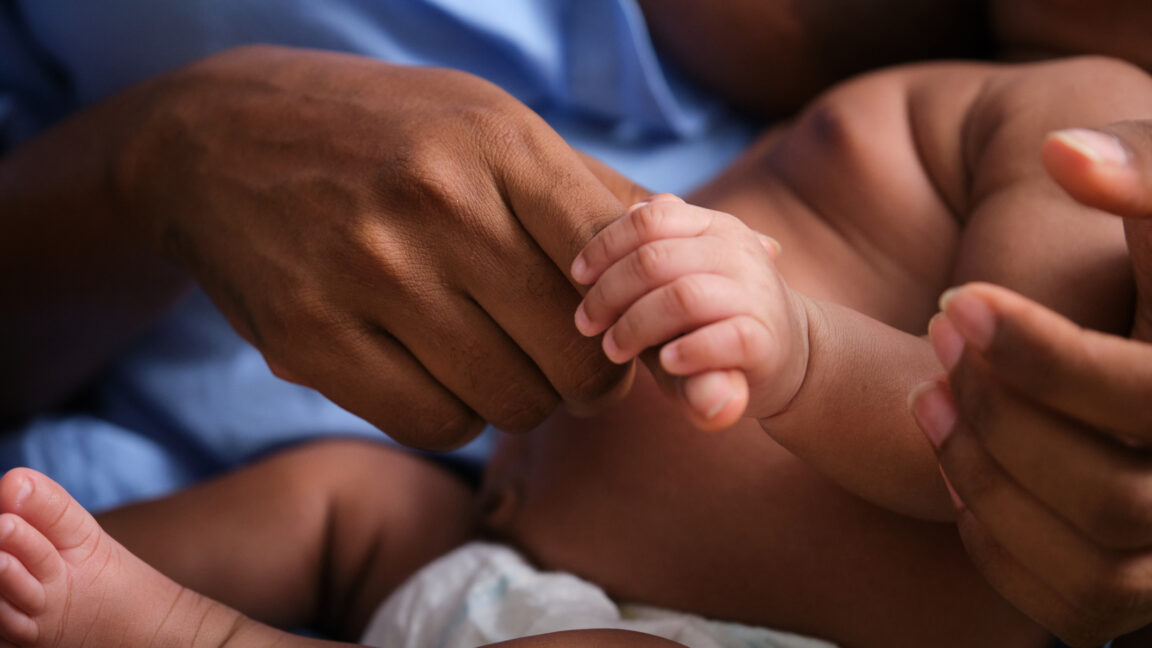
Outrage has emerged among health experts following reports that the Centers for Disease Control and Prevention (CDC) is preparing to fund a controversial vaccine trial. The trial, previously suspended in January due to its widely condemned design, would expose newborns in Guinea-Bissau to the hepatitis B virus, risking lifelong infection and severe health consequences.
Despite the international outcry and the trial's current halt, staff from the CDC director's office reportedly instructed the agency's budget office in late September to allocate $1.6 million for the study, according to a Rolling Stone report. This funding would potentially be diverted from programs aimed at global health security, including efforts to combat the Ebola outbreak in the Democratic Republic of the Congo.
The potential funding has raised serious ethical questions and drawn criticism from health professionals concerned about the vulnerability of the infant participants and the risks involved. The trial's original design was flagged for exposing infants to the virus without adequate prior consent and with potentially insufficient safety measures.
The Department of Health and Human Services, which oversees the CDC, did not respond to requests for comment regarding the reported funding allocation.
The situation highlights ongoing debates about ethical research practices in global health initiatives and the allocation of public health resources.