Cells Employ Unidentified Molecule for Iron Overload Protection
Whitehead Institute researchers have identified a previously unknown molecule used by cells to defend against excessive iron. This finding could impact cancer treatments and explain iron accumulation in neurodegenerative diseases.
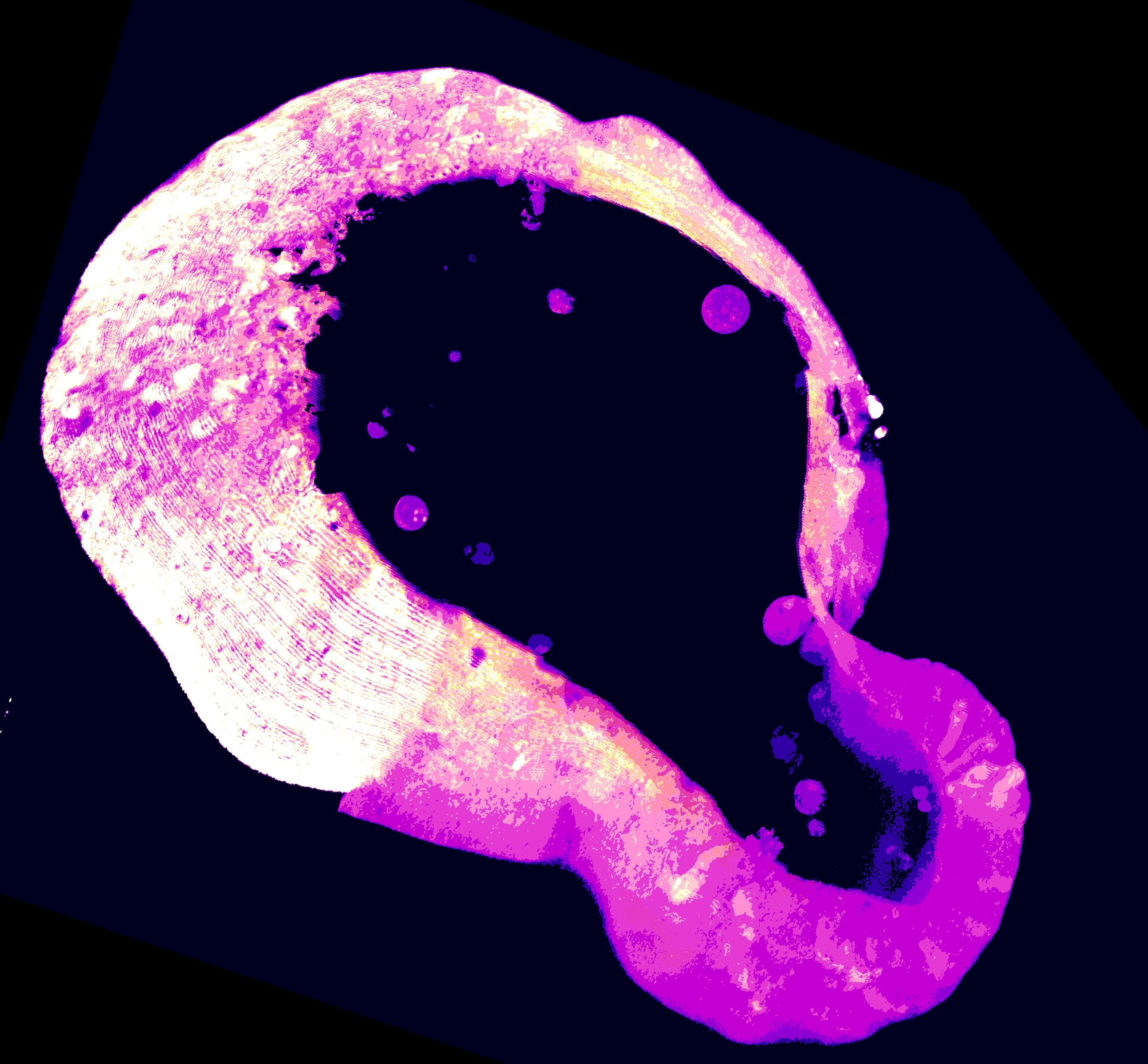
Researchers at the Whitehead Institute have uncovered a novel cellular mechanism for managing iron overload, identifying a little-known molecule that cells utilize to protect themselves from excessive iron.
The discovery, led by Whitehead Institute Member Ankur Jain, has significant implications for both cancer therapy and understanding neurodegenerative disorders. The research suggests that manipulating this cellular defense could lead to new combination strategies for treating cancer.
Furthermore, the findings offer a potential explanation for the iron buildup observed in conditions like early-onset Parkinson's disease. This iron accumulation is a known characteristic of several neurological disorders, and understanding its cellular origins is a key area of research.
The study highlights the complex ways cells regulate essential minerals like iron, and how disruptions in these processes can contribute to disease. Further research is expected to explore the therapeutic potential of this newly identified molecule.