Chalmers astronomers find Earth-like exoplanet in unique planetary system
Researchers at Chalmers University of Technology have participated in the discovery of an Earth-analog exoplanet, TOI-500b. The planet's orbit and the architecture of its sister system offer new perspectives on planetary formation.
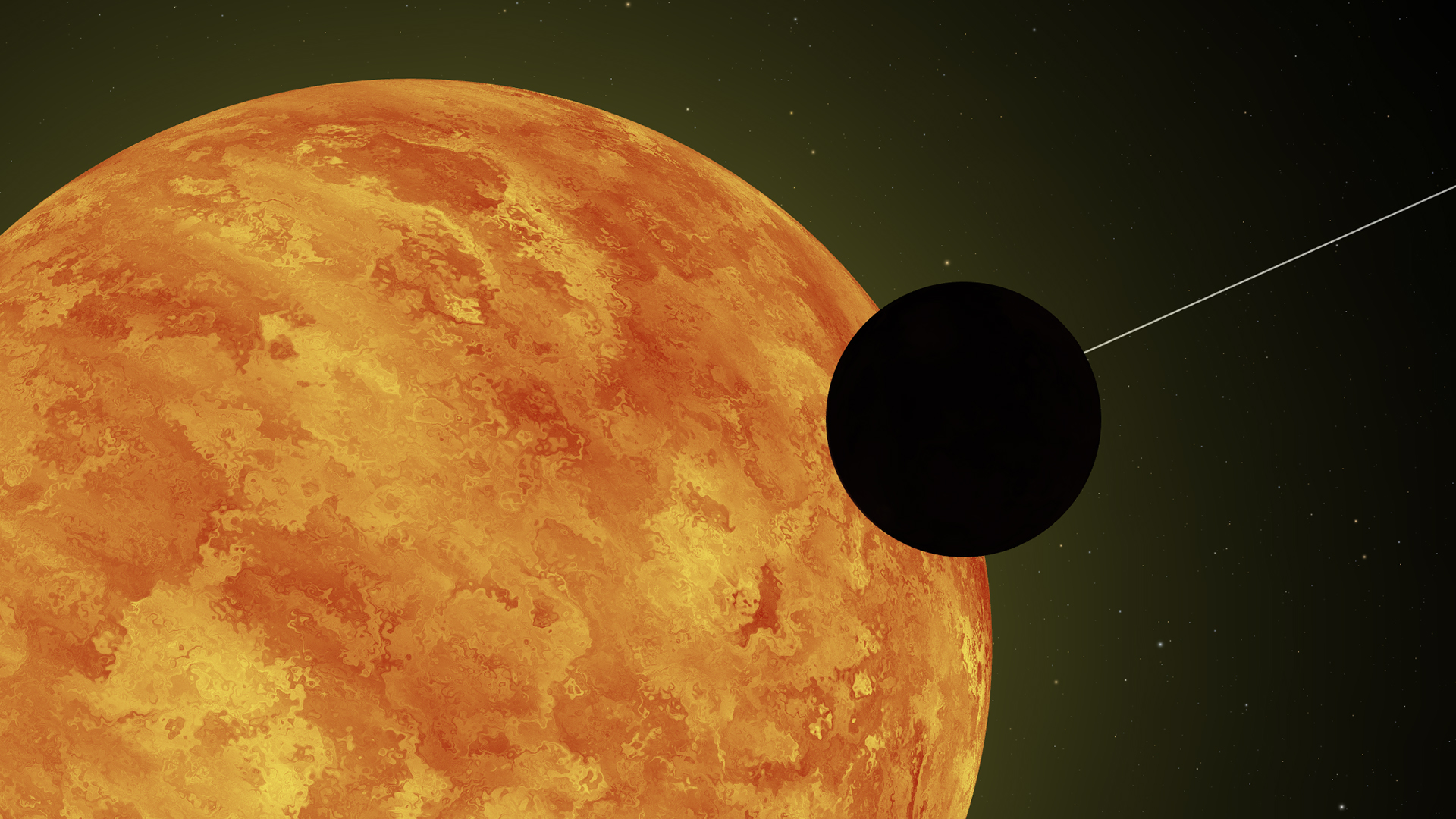
Astronomers at Chalmers University of Technology have contributed to the study of a unique exoplanetary system named TOI-500. The innermost planet in the system, TOI-500b, is a rocky planet with a size and density similar to Earth, but it orbits its star in just 13 hours. This ultra-short orbital period makes the planet extremely hot, with an estimated surface temperature of around 1350 degrees Celsius, and its surface is likely a lava ocean.
The discovery is significant because the orbits of the planets in the TOI-500 system appear to lie in the same plane. This differs from many observed so-called ultra-short period (USP) planets, whose orbits are typically inclined relative to other planets in the system. According to Chalmers researchers, including Judith Korth, the planets in the system may have formed far from the star and then migrated slowly and steadily closer, without collisions, maintaining their nearly circular orbits.
The prevailing theory suggests that USP planets form further out and migrate closer to their star violently, resulting in eccentric and inclined orbits. TOI-500's aligned orbits suggest an alternative, "slow and steady" migration process, potentially lasting up to two billion years. This model provides new insights into how planetary systems evolve.
TOI-500b was initially discovered by NASA's TESS telescope. Chalmers researchers were involved in analyzing the system's dynamics, including studies of the planets' long-term orbital stability and masses. While TOI-500b is not habitable, its similarity to Earth in density and size could open new research avenues for studying the atmospheres of Earth-like planets.