Chalmers highlights importance of university-industry collaboration
Chalmers University of Technology hosted an event emphasizing the generation of innovation at the intersection of academia and industry. The focus was on promoting sustainable production and technological advancement through collaboration.
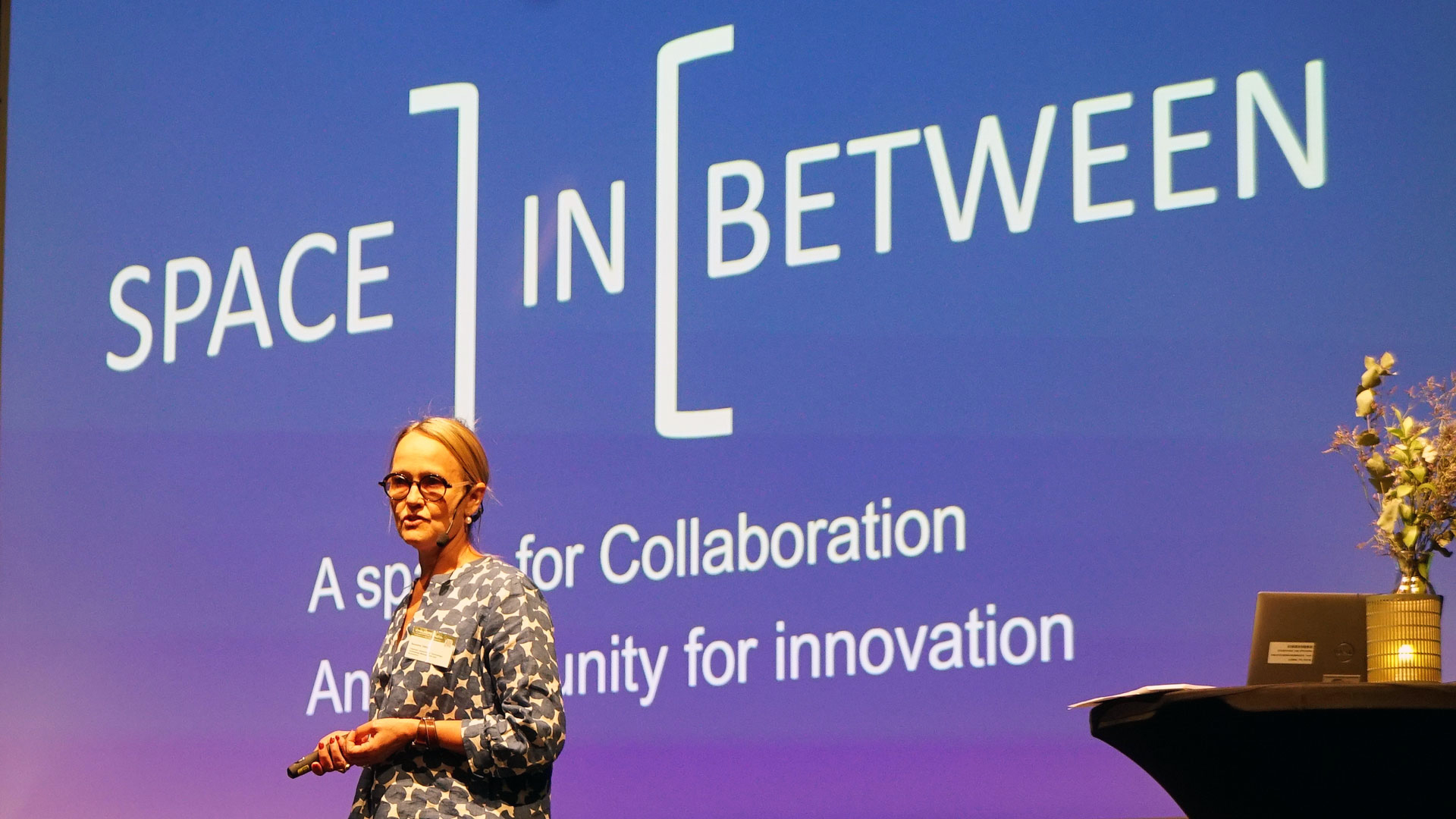
Chalmers University of Technology has hosted an event highlighting the critical role of collaboration between academia and industry in generating new solutions and innovations. The event underscored how "in-between spaces," which transcend organizational boundaries, offer unique opportunities for knowledge creation and creative problem-solving by leveraging diverse practices and values.
These "in-between spaces" can be physical, cognitive, or emotional, facilitating interaction and collaborative efforts. University-industry partnerships are presented as prime examples. Frances Sprei, Professor of Sustainable Mobility at Chalmers, discussed the Västra Götaland region's transition towards more sustainable production, aiming for significant greenhouse gas emission reductions by 2030. She stressed the importance of openness, data sharing, and a visionary approach to experimentation in achieving climate goals.
Maria Bernander from Volvo Cars affirmed the crucial role of such collaborations in long-term technological research and development, particularly in areas like sustainable materials, environmental impact, and battery technology. Bernander emphasized that a common understanding of goals, open dialogue, and clarity on individual roles are key to successful industry-academia partnerships. Benefits include access to cutting-edge knowledge and the ability to influence academic research directions.
The event also featured several competence centers acting as collaborative platforms between academia, society, and business. These centers, including those focused on chemical process engineering and life cycle assessment, showcased concrete examples of how collaboration drives sustainable production and technological competitiveness. Lund University's Division of Production and Materials Technology also presented insights into how interdisciplinary collaboration can foster holistic knowledge development and accelerate process and material selection.