Chalmers railway robot detects and predicts track damage
Researchers at Chalmers University of Technology have developed an autonomous railway robot designed to detect and predict track damage. The innovation aims to reduce delays and costs associated with Swedish train traffic.
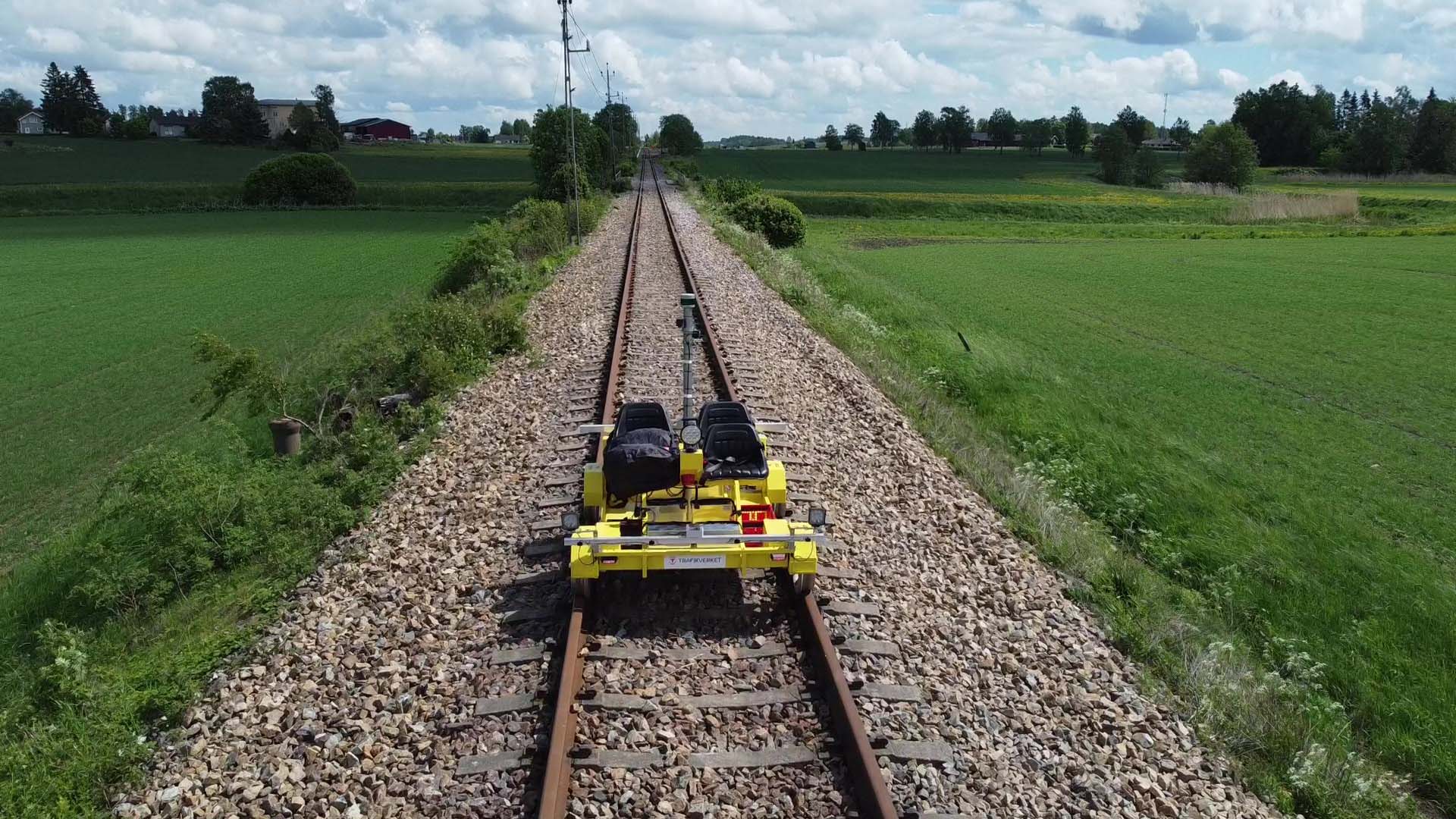
An autonomous railway robot developed by researchers at Chalmers University of Technology is set to address significant issues in train traffic, including annual delays and societal costs. The robot is capable of inspecting tracks, identifying existing damages, and predicting future maintenance needs.
Currently, track damages are often addressed only after they occur, leading to prolonged track closures and substantial expenses. This new robot aims to detect and resolve problems proactively, thereby preventing accidents and derailments. It also promises to enhance the accessibility for passenger and freight traffic while improving safety for maintenance personnel.
The robot underwent a successful field test on a 1.7-kilometer section of a real railway near Västerås. Equipped with cameras, 3D lidar, GPS, and an accelerometer, it was tasked with identifying a fabricated damage and reporting its precise location.
This development is part of a broader European railway research initiative, funded by the Swedish Transport Administration. The long-term vision includes enabling the robot, potentially with drone assistance, to perform simple maintenance tasks on the tracks autonomously.