Chalmers researchers develop new method for conductive plastics
Researchers at Chalmers University of Technology have developed a new, significantly cheaper and safer method for producing conductive plastics. The method could pave the way for new applications in biotechnology and wearable electronics.
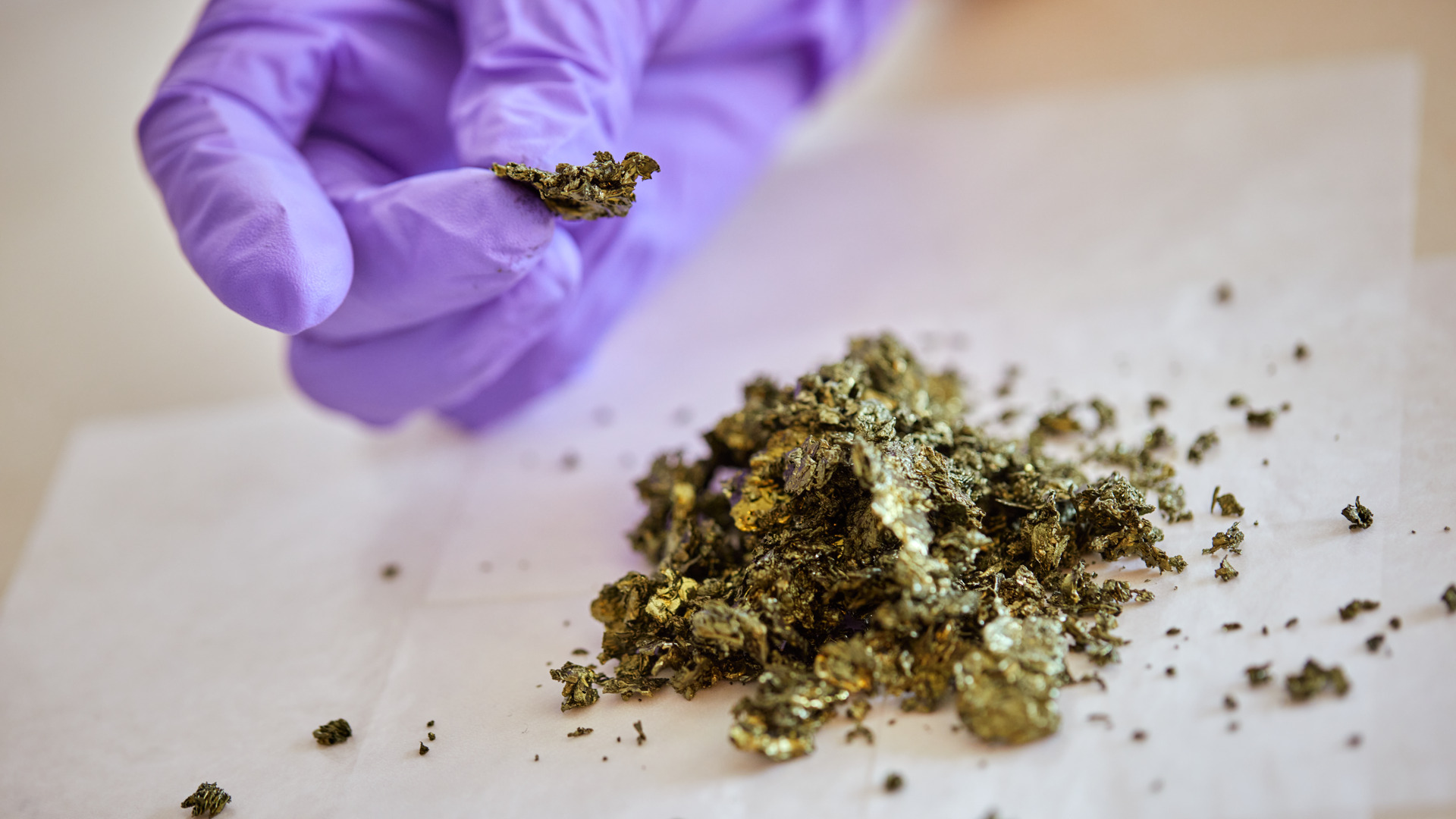
Researchers at Chalmers University of Technology have developed a new method for producing conductive plastics, also known as conjugated polymers. This new process is reportedly cheaper and safer than previous methods, potentially enabling wider applications in fields such as biotechnology, energy storage, and wearable electronics.
The production of conductive plastics has historically been expensive, with costs far exceeding that of gold. The Chalmers research group's breakthrough involves producing the material at room temperature, reducing energy consumption and eliminating the need for toxic chemicals. This makes the material more accessible for industrial-scale production and use.
A key advantage of conductive plastics, particularly for medical applications, is their biocompatibility. Unlike some metals that can corrode in humid environments, these organic materials are body-friendly. Potential uses include sensors for health monitoring, drug delivery systems, and "electronic adhesive plasters" for detecting infections.
"Once higher production volumes are achieved, it is possible to work with the material in a completely different way," said Professor Christian Müller. He believes the new production method could lead to more powerful electronic components and make the material more readily available for various technical solutions.
The research team is now focused on scaling up the process for continuous, large-scale production while maintaining consistent quality. The goal is to facilitate the transition from laboratory to industrial application to meet future societal and market demands.