Chalmers Structural Battery Technology Recognized by World Economic Forum
The World Economic Forum has highlighted Chalmers University of Technology's development of structural batteries, which integrate energy storage into load-bearing materials.
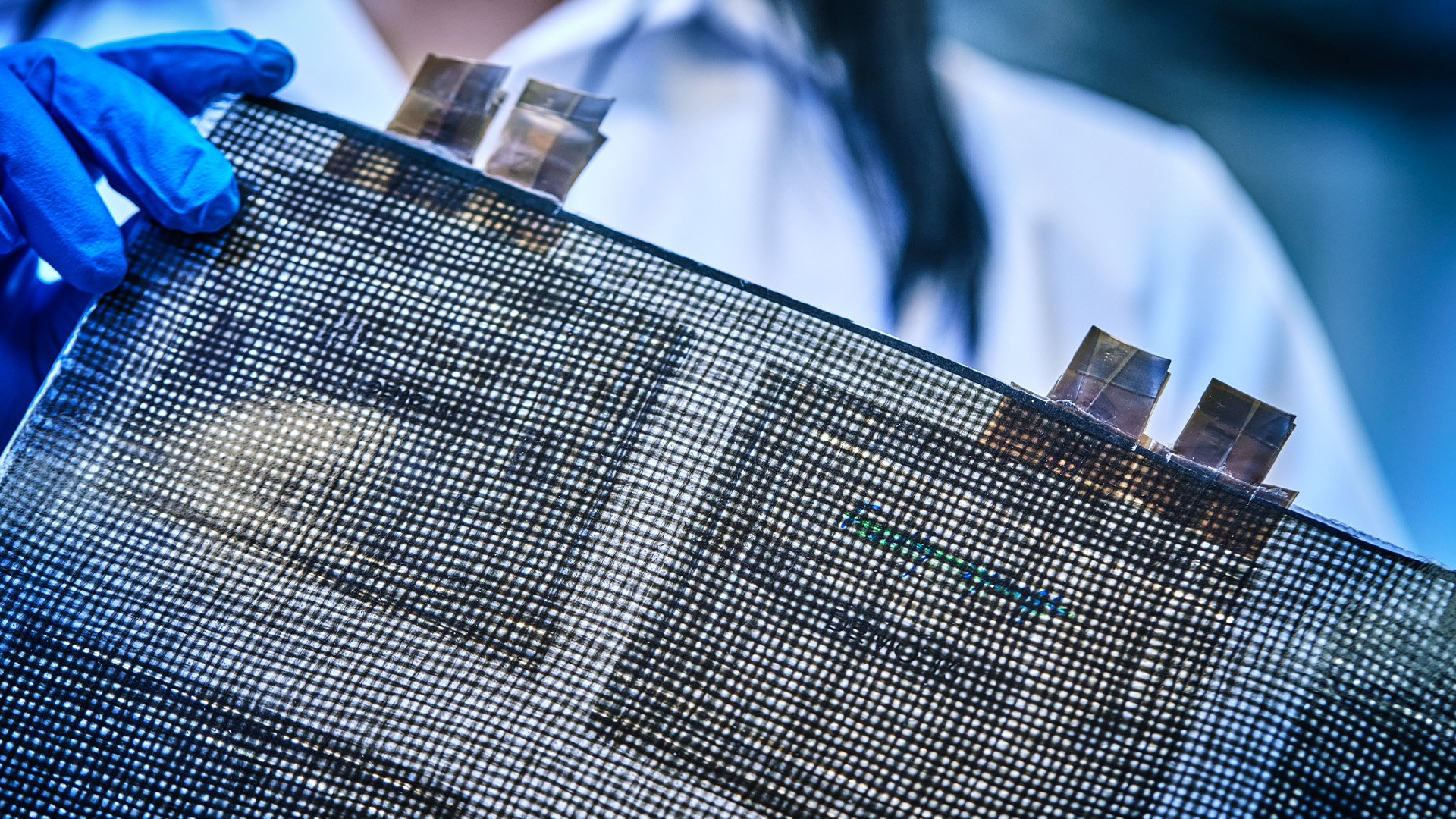
The World Economic Forum (WEF) has recognized structural battery technology developed at Chalmers University of Technology as one of the top 10 emerging technologies. This innovation allows energy to be stored directly within the load-bearing materials of structures, such as aircraft fuselages or vehicle frames.
The technology aims to reduce weight and space requirements by eliminating the need for separate battery packs and wiring. Research indicates that these structural battery composites achieve an energy density exceeding 60 Wh/kg and an elastic modulus over 100 GPa, enabling them to both carry loads and store energy. Leif Asp, a professor at Chalmers, emphasizes the potential for this technology to redefine product design and manufacturing.
Inspired by biological systems for efficient energy storage and distribution, the technology utilizes components like carbon fiber electrodes to reduce reliance on critical raw materials and promote a circular economy. Chalmers has also launched the MAXBATT Competence Center to scale up the technology and ensure a skilled workforce for future battery production in Sweden.
Structural batteries offer a promising solution to energy storage challenges as the use of renewable energy grows. The technology is expected to enhance performance and promote responsible material use, contributing to broader sustainability goals.