Chalmers University leads EU-funded project to convert plastic waste into raw materials
Chalmers University of Technology has received €4 million in Horizon Europe funding to develop solar-powered technology for recycling difficult plastic waste streams into industrial chemical feedstocks.
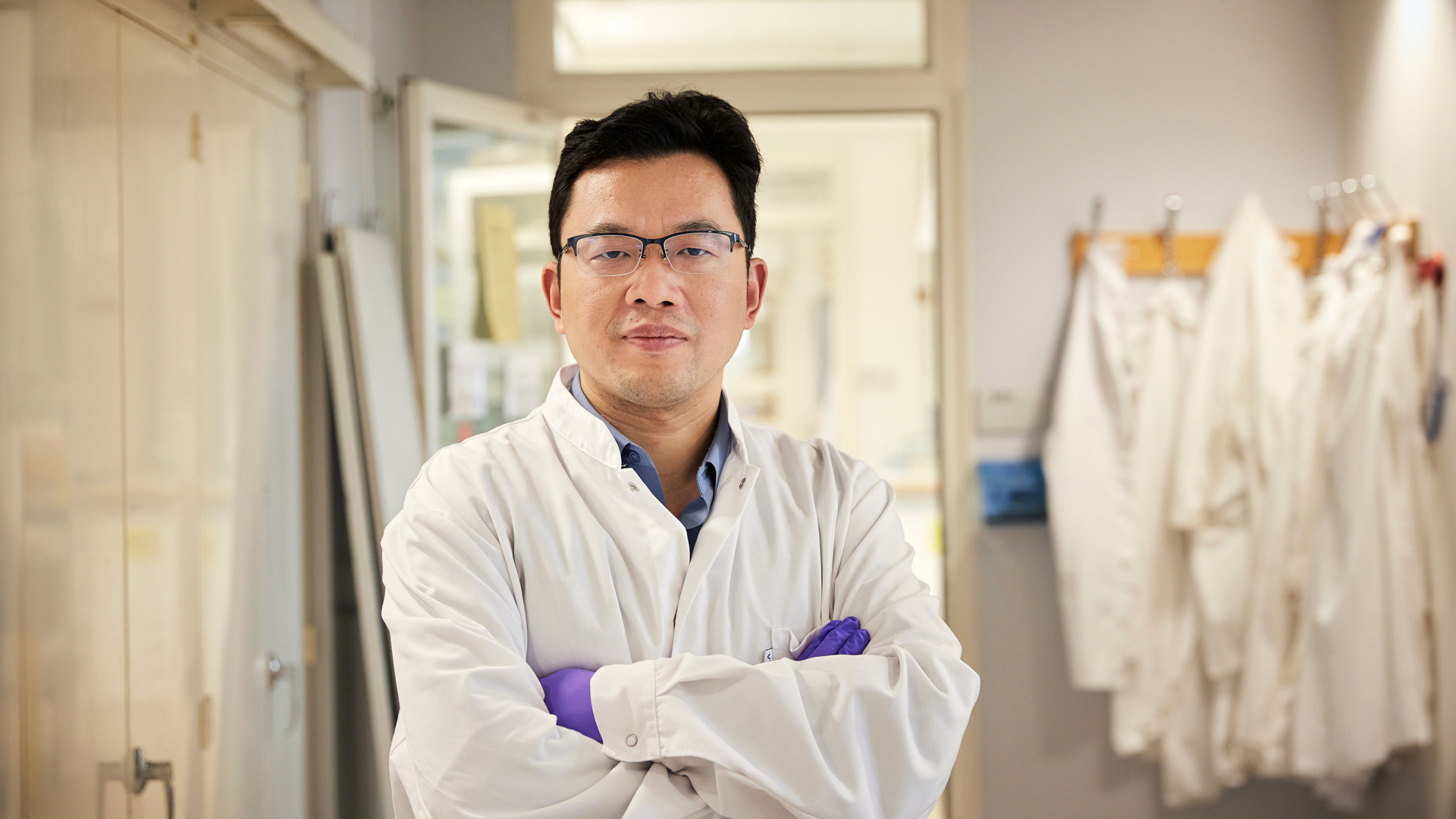
Chalmers University of Technology is heading the multinational SPECTRA research project, which aims to develop solar-driven photocatalytic technologies to turn plastic waste into valuable chemical building blocks. The project has been awarded €4 million in funding through the European Innovation Council’s Horizon Europe programme.
The project addresses the limitations of current mechanical recycling, which often results in degraded material quality and high energy consumption. By utilizing advanced photocatalytic materials and solar energy, researchers aim to break down complex plastic mixtures into feedstock that can be reintroduced into industrial manufacturing, theoretically closing the loop on plastic production.
The consortium, which includes partners from Sweden, the Netherlands, and Italy, will integrate AI-assisted material discovery with continuous-flow reactor technology. Project coordinator Ergang Wang stated that the initiative is designed to make plastic waste economically attractive for industry, thereby reducing reliance on landfilling and incineration.
Selected from a highly competitive pool of applicants, the four-year project is one of the few funded under the specific 'Waste-to-Value' challenge. Chalmers has announced upcoming recruitment for doctoral and postdoctoral positions to support the work.