ChatGPT Introduces Distinct 'Chat' and 'Work' Modes for Paid Users
OpenAI has implemented a new feature in paid versions of ChatGPT, differentiating between 'Chat' and 'Work' modes. This choice significantly impacts the tool's functionality and output.
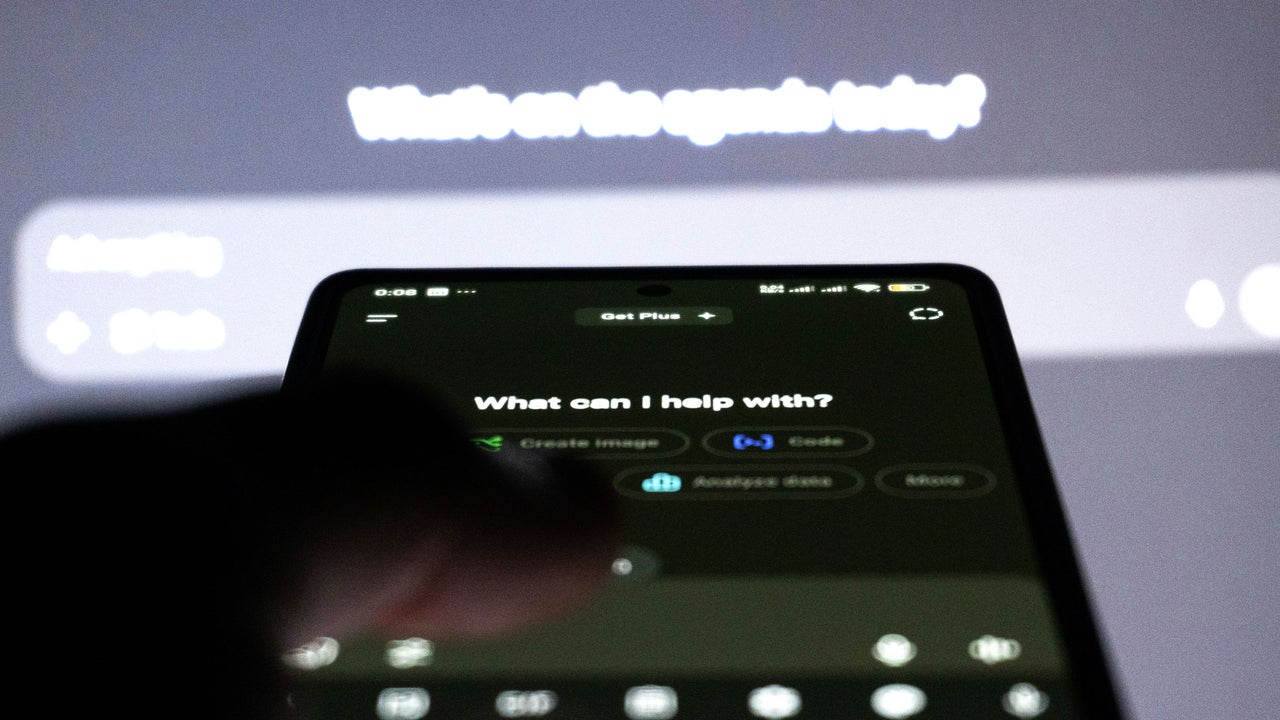
OpenAI has introduced a new distinction in its paid ChatGPT services, requiring users to select either 'Chat' or 'Work' mode at the start of their sessions. This change aims to tailor the AI's performance based on user intent, with the wrong choice potentially hindering productivity.
The 'Chat' mode is designed for informational tasks, research, and brainstorming. In this setting, ChatGPT acts more like a collaborative assistant, providing information and suggesting resources. It often includes UTM parameters in outbound links, signaling an expectation that the user will take further action based on the provided information. This mode typically uses less intensive models, potentially conserving usage quotas and offering faster responses for simpler queries.
Conversely, 'Work' mode is optimized for executing specific tasks and delivering defined outputs. ChatGPT in this mode becomes more direct and focused on generating tangible results, such as reports or data analyses. It is likely to utilize OpenAI's more advanced models, which may consume usage quotas more rapidly. The absence of UTM parameters suggests less emphasis on the user conducting subsequent research or actions independently.
Users are advised to consider their primary objective for each session. 'Chat' mode is recommended for queries seeking information or creative ideas, while 'Work' mode is better suited for generating specific deliverables like structured reports or data summaries.
This feature aims to enhance user efficiency by aligning ChatGPT's capabilities with the task at hand. Careful selection of the appropriate mode can lead to more satisfactory outcomes and optimized use of the service.