China Powers Data Centers with Clean Energy Amidst AI Growth
China's data center footprint is rapidly expanding, fueled by AI. Unlike the U.S., China is actively prioritizing clean energy sources for these facilities as part of a national strategy.
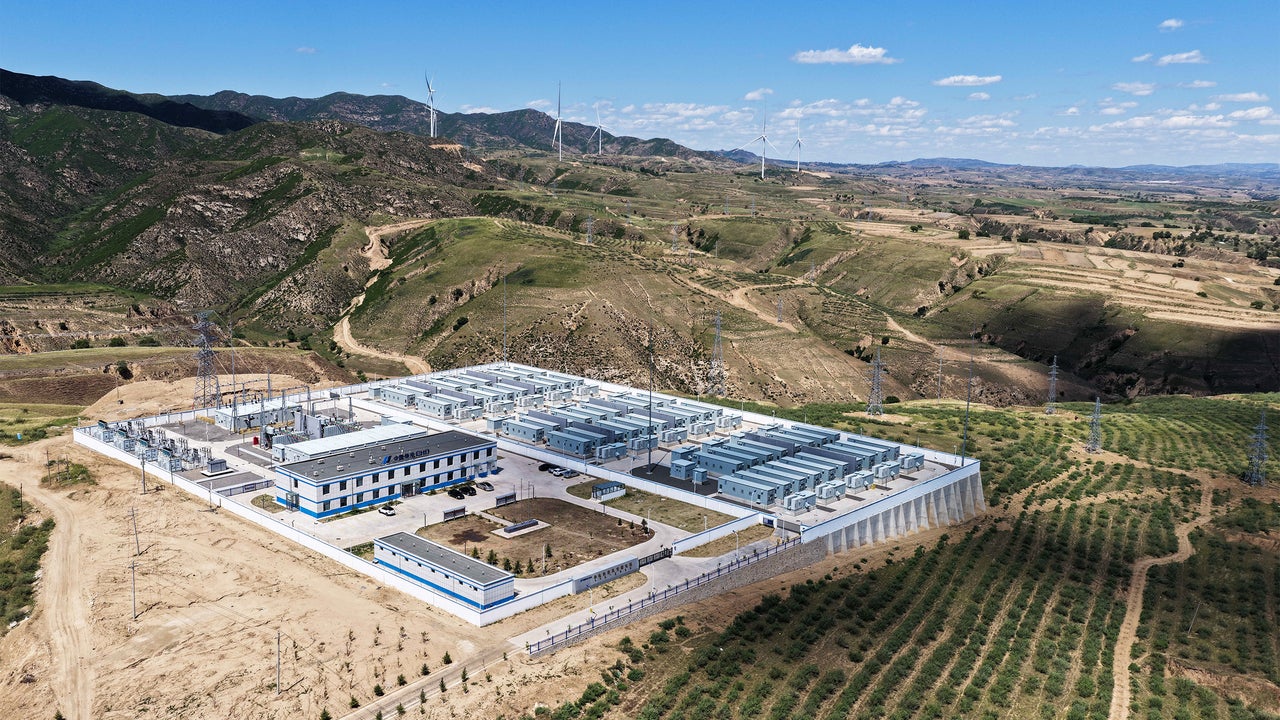
The number of data centers in China is surging, driven by artificial intelligence (AI) demand, mirroring trends seen in the U.S. However, China is making a concerted effort to power these facilities with clean energy as part of a broader national strategy.
Specific projects highlight this commitment. For instance, a data center in Inner Mongolia is connected to 200 megawatts of wind power, 100 megawatts of solar power, and 45 megawatts of battery storage. In a pilot program in Qinghai, a data center operates entirely on a solar microgrid. Further north, another facility draws power from 500 megawatts of solar and 1.5 gigawatts of wind.
As part of China's 'East West Computing Strategy,' eight major data center hubs are being established in regions rich in renewable energy resources. A requirement for new data centers within these hubs is to source at least 80% of their electricity from clean sources. Additionally, a government action plan released in May outlines 29 measures aimed at increasing the proportion of clean power used by data centers.
China's national five-year plan includes a goal to build an extensive clean energy system by 2030, extending beyond data centers. This initiative aims to bolster energy security and address climate change, a significant undertaking for a country that is the world's largest emitter of greenhouse gases. The nation targets a 53% increase in renewable generation by 2030.
Data centers represent a crucial component of China's energy future. Estimates project that the country's electricity consumption for data centers will more than double by 2030, potentially tripling. While this will remain a fraction of China's overall electricity demand, it signifies substantial growth. China's advantage lies in its decades-long investment in building clean energy capacity for its industrial sector, positioning it favorably to meet new demands compared to the U.S., where grid capacity has not kept pace.