China Uses Nuclear Power to Stabilize Its Renewable Energy Grid
China is constructing nuclear reactors at an unprecedented pace, with these plants playing a crucial role in the nation's transition to a fully renewable electricity grid.
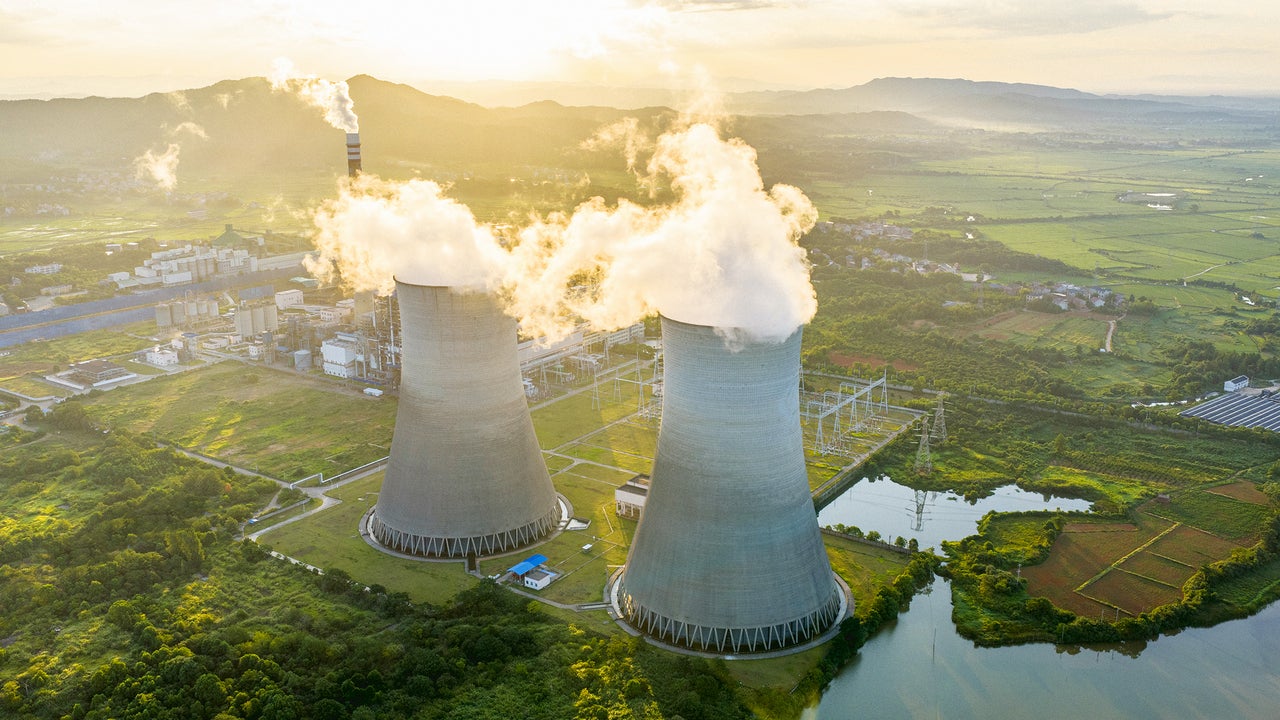
China has significantly ramped up its nuclear power capacity, connecting 27 new reactors to its grid between late 2016 and August 2026, a stark contrast to the pace in countries like the United States. Jacopo Buongiorno, a professor of nuclear science and engineering at MIT, notes that China is the world's leader in nuclear power plant construction. These plants are vital for China's ambition to establish a 100% renewable electricity grid. Due to the intermittent nature of wind and solar power, a stable nuclear output is necessary to balance the grid and prevent blackouts. While the majority of China's electricity growth is driven by wind and solar, which reached 22% of national generation in 2025, nuclear power provides essential baseload stability. Coal's share has fallen below 50% for the first time, but nuclear energy, though around 5% of the mix, is critical for grid reliability. China's strategy relies on two key components: the world's most extensive ultra-high-voltage grid to balance electricity distribution nationally, and nuclear power plants that provide continuous baseload power regardless of weather conditions. This "atomic key" is designed to support a rapidly expanding and increasingly variable renewable energy system. The country aims to reach 110 gigawatts of installed nuclear capacity by 2030. The rapid construction is facilitated by standardization, particularly with the Hualong One and CAP1000 reactor designs, and adherence to safety standards and international practices.