Clothing Designed to Fool AI Surveillance Cameras
New "adversarial fashion" uses special techniques to confuse facial recognition software. Products are available at various price points with differing effectiveness.
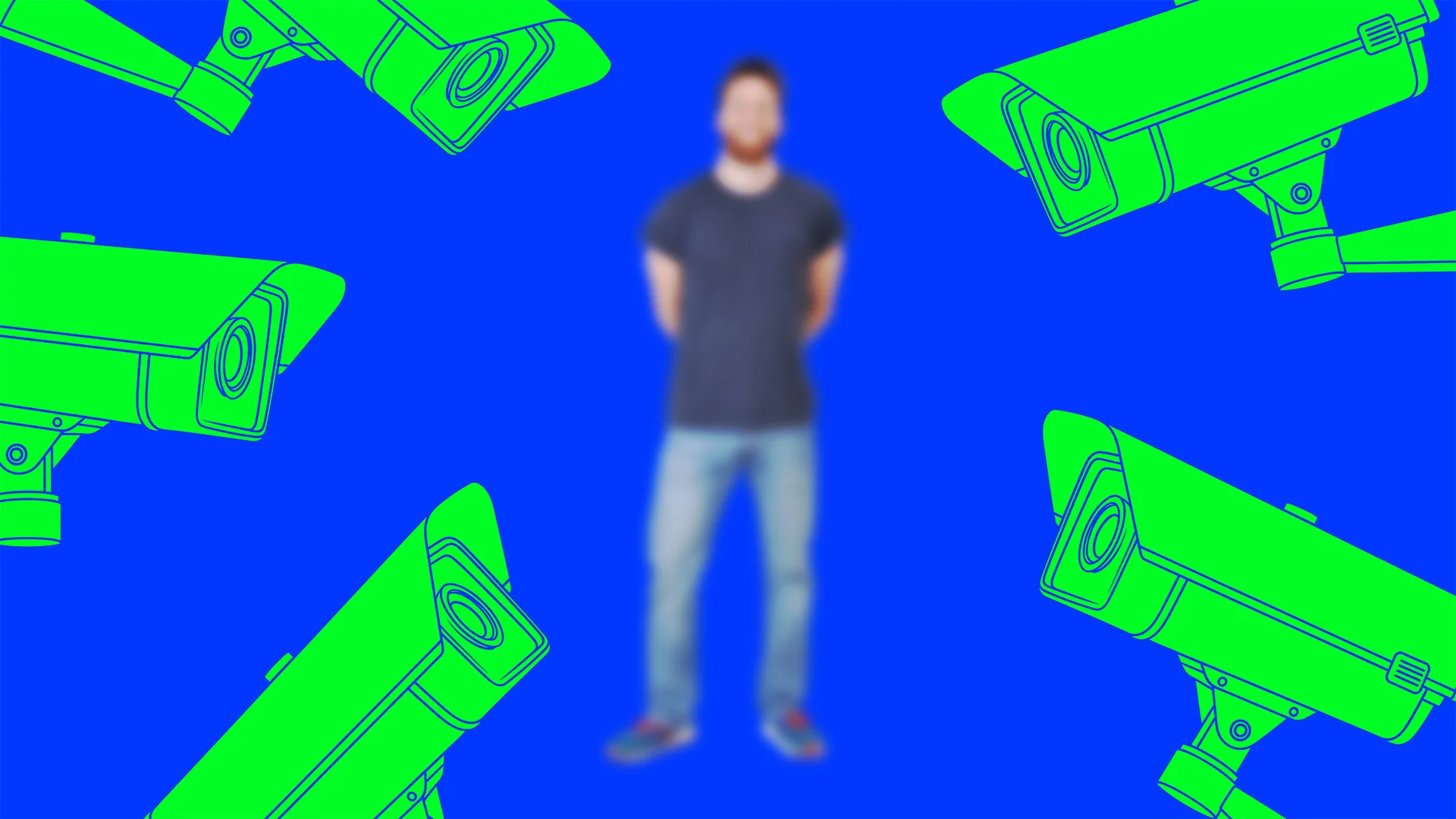
A growing number of brands are developing and selling "adversarial fashion," clothing and accessories designed to disrupt or confuse AI-powered facial recognition systems. These garments employ unique patterns and materials intended to mislead cameras that analyze human faces.
The design approaches vary. Some pieces feature intricate patterns engineered to cause AI to misidentify individuals, classifying them as animals or objects. Other items incorporate infrared-reflective materials that obscure faces in surveillance footage, creating an effect similar to being overexposed by bright light.
This niche market offers a range of products at diverse price points. On the more accessible end, Anti-AI Clothing sells masks and gaiters for under $20 and T-shirts around $30. At the higher end, Italian company Cap_able offers a reversible dress priced at $780. The company's founder, Rachele Didero, began developing such apparel after observing the prevalence of surveillance cameras in New York City.
"The problem with surveillance technology is that citizens don't have the possibility in the physical world to opt out," Didero stated. "In the digital space we can say yes or no to cookies. In the physical world, we don't have this option. We wanted to create this physical protection that would allow the citizens to give their consent, or not."
Despite the growing interest, some critics question the long-term efficacy of adversarial designs, citing the rapid advancement of AI technology. Urban Privacy, a brand offering more affordable options, includes a disclaimer stating that "Effectiveness varies depending on the algorithm and conditions. Not all systems are affected equally. Results may change as recognition technology evolves."