CMOs Must Master AI Orchestration for Growth
Chief Marketing Officers (CMOs) are shifting from traditional roles to embrace AI and team collaboration as key drivers of growth. Success now hinges on orchestrating work holistically, integrating technology and human capital.
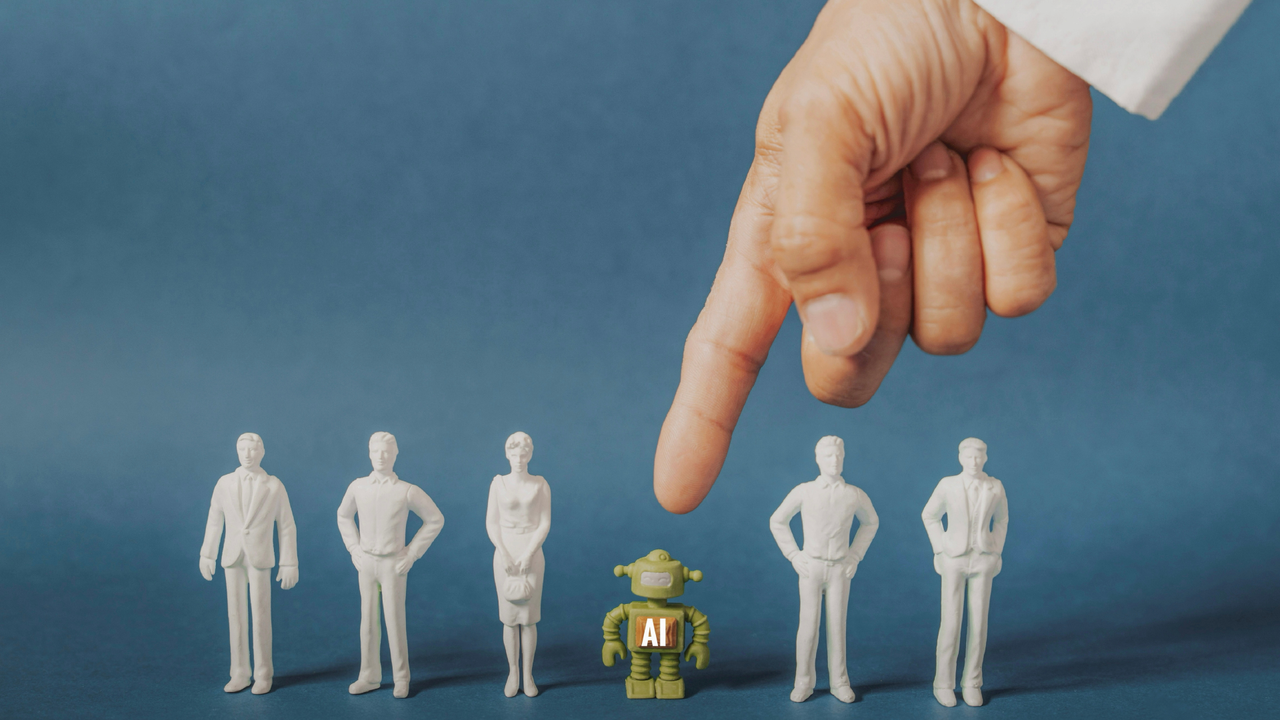
The role of Chief Marketing Officers (CMOs) is undergoing a significant transformation. As AI tools become more sophisticated and workflows evolve, leading CMOs prioritize orchestrating their organizations effectively. This shift moves beyond selecting individual tools to establishing integrated workflows and fostering a culture of continuous learning across teams.
CMOs face increasing pressure to drive growth while managing limited resources, bureaucracy, and vast amounts of data, all while maintaining cultural relevance and market speed. Addressing these challenges requires orchestrating strategy, development, execution, distribution, and measurement in a coordinated manner, rather than tackling issues in isolation.
To enable successful AI orchestration, CMOs need to create collaborative environments that accommodate diverse employee skills and working methods. The notion of the CMO as a singular problem-solver is outdated; transformation is a team sport that demands collaboration and a shared understanding of how people, processes, and technology interact.
Modern CMOs must grasp the interconnectedness of human capital, bureaucracy, technology, data, culture, and the customer. Teams should operate as independent accountability nodes rather than siloed departments. The CMO's role is to ensure new ways of working are effective and help teams focus on higher-level objectives, leading to measurable growth.
To succeed in the AI era, CMOs must integrate AI into solutions, make customer data accessible, and build a repeatable, improvable orchestration engine. This requires embracing a systems-thinking approach based on collaboration and a willingness to adapt beyond traditional structures.