College Tuition Costs Decline When Adjusted for Inflation
A report from the College Board shows that inflation-adjusted tuition at public U.S. colleges has fallen over the last decade, even as living expenses continue to strain student budgets.
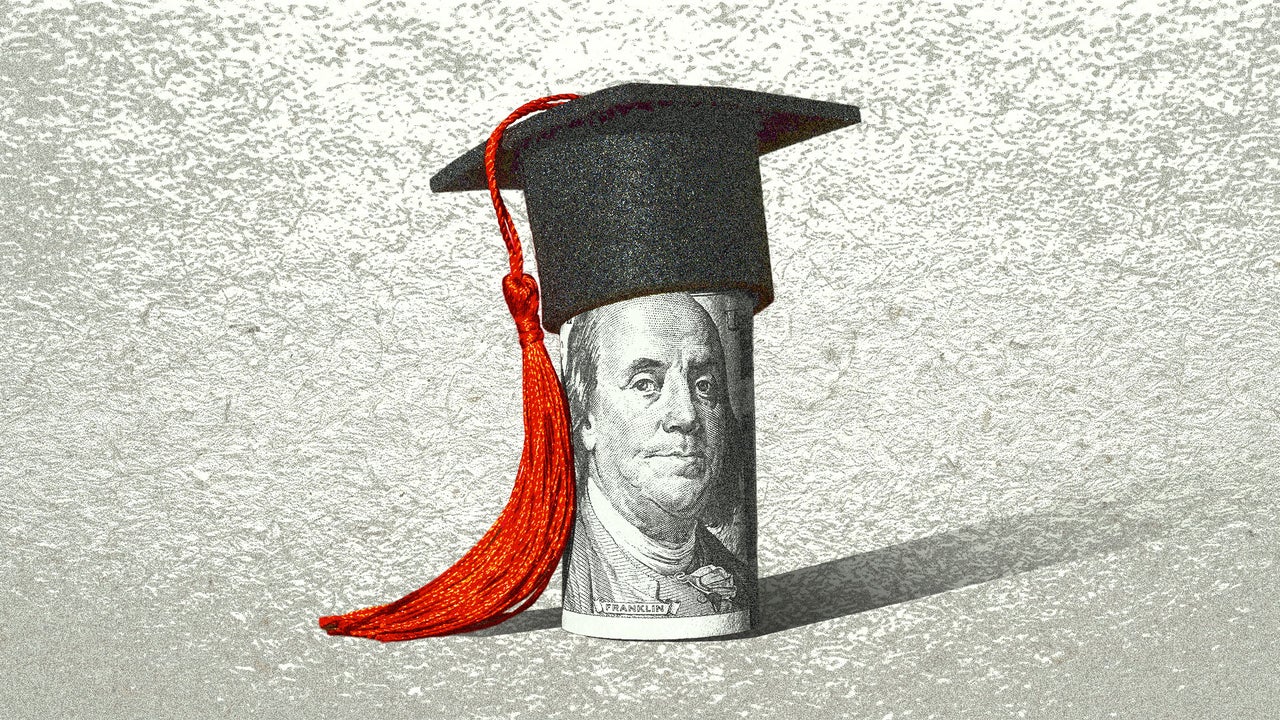
Data released by the College Board indicates that average tuition and fees for in-state students at four-year public universities have dropped 8.3% over the last decade when adjusted for inflation. Public community colleges saw an even steeper decline, with costs falling 12% during the same period. While nominal tuition prices rose slightly this year, the increases remained largely in line with or below recent inflation rates.
Despite these trends, the total cost of attendance remains a point of concern. Sixteen U.S. institutions now report total costs exceeding $100,000 annually when factoring in housing, food, and books. Jennifer Ma, executive director of policy research at the College Board, noted that these annual increases reflect a decade-long trend in higher education pricing.
The research highlights that published tuition rates rarely reflect the amount students actually pay. Roughly 70% of full-time undergraduates utilize grants and scholarships to offset expenses. According to Jessica Howell, vice president of research at the College Board, families must prioritize understanding net price figures early in the application process.
While tuition trends show stability, living expenses represent an increasing financial burden. Costs for housing and incidentals now average between $18,000 and $21,000 annually, contributing to food insecurity on some campuses. Despite these pressures, the report indicates that total family borrowing and average cumulative student debt levels have declined.