Companies grapple with AI's role: assistant or replacement
Businesses face a conflict in AI adoption: employees want help, while executives seek replacements. Examples from Klarna and Artisan highlight the importance of customer needs.
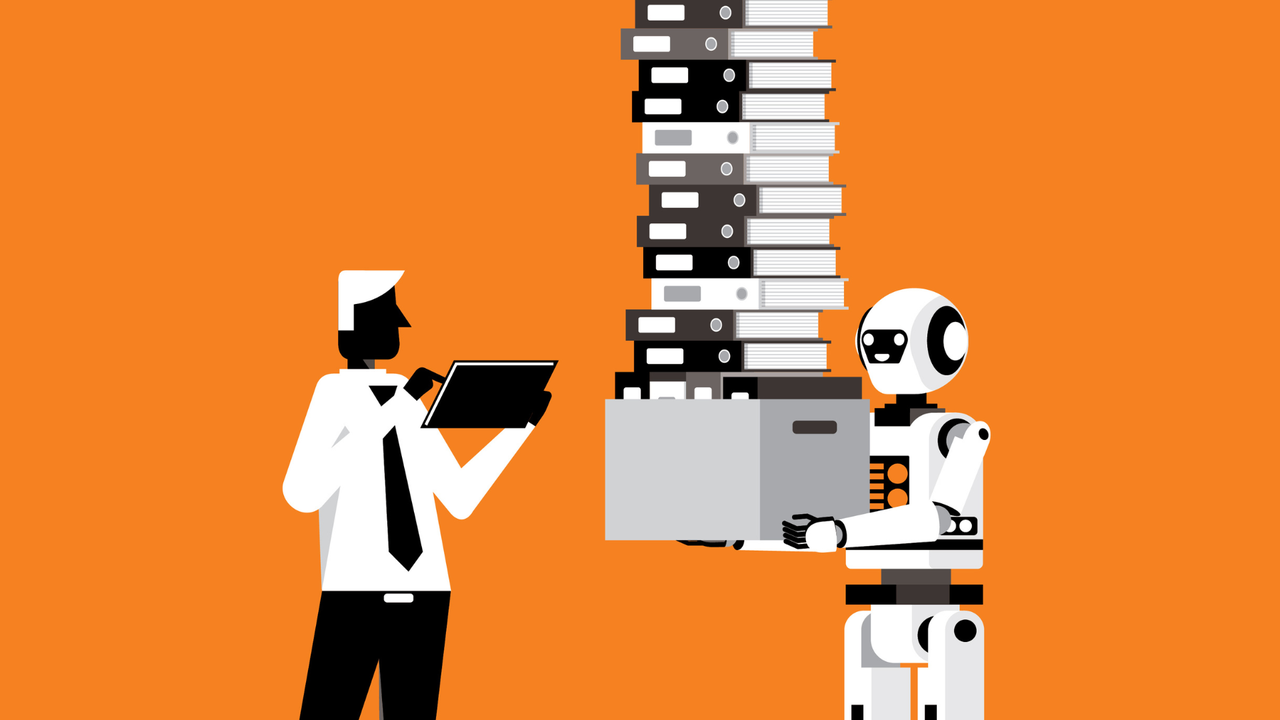
Anubhav Rohatgi, Senior Director of Products at Adobe Inc., observes a common dilemma companies face when implementing AI tools. Employees often desire AI to handle tedious parts of their jobs, acting as assistants, while management views AI as a means to reduce headcount and operational costs.
This misalignment was evident in a recent pitch meeting described by Rohatgi, where users sought AI for task automation, and managers looked for role elimination or reallocation of staff. Startups often price their AI solutions towards the more fundable executive narrative of replacement, rather than the user-driven request for assistance.
Real-world examples illustrate the consequences of this gap. Fintech company Klarna announced its AI assistant was handling the work of 700 agents, a move favored by Wall Street. However, months later, Klarna's CEO admitted the cost-driven approach led to lower service quality, prompting the company to rehire staff to ensure customers could reach a human.
Similarly, sales automation startup Artisan, which previously used billboards with slogans like "Stop Hiring Humans," has since retired the campaign and hired its first human business development representative. Artisan's founder stated that the future involves humans and AI working together, not one replacing the other.
Rohatgi advises executives to critically assess whether they are building or buying a tool, an intern, or a replacement. Aligning the product's function, pricing, and user expectations is crucial for successful AI adoption that benefits both employees and customers.