Company Structure Should Focus on Future Mission, Not Current Staff
Fast Company's analysis advises companies to build organizational structures around future goals, not existing personnel. The aim is to avoid limiting growth.
Fast Company's latest analysis emphasizes that companies should design their organizational structures primarily based on future strategic goals, rather than adapting to the roles of current staff. This approach helps companies avoid limiting their growth and enables more effective strategy implementation.
Often, after achieving success, founders face challenges when they aim to expand their business or increase predictability. This frequently leads to a need to free up the founder's time from daily operations to more strategic work. However, the issue arises when the company's structure has organically evolved around the strengths and roles of existing employees, which may not sufficiently support ambitious future objectives.
"Before we talk about people, we need to talk about the mission," the analysis from Fast Company states. Companies should clearly define their strategic goals for the next 1-3 years, expected growth, and the most critical functions, such as finance, customer experience, or technology. Only after this should a structure be formed to support these functions.
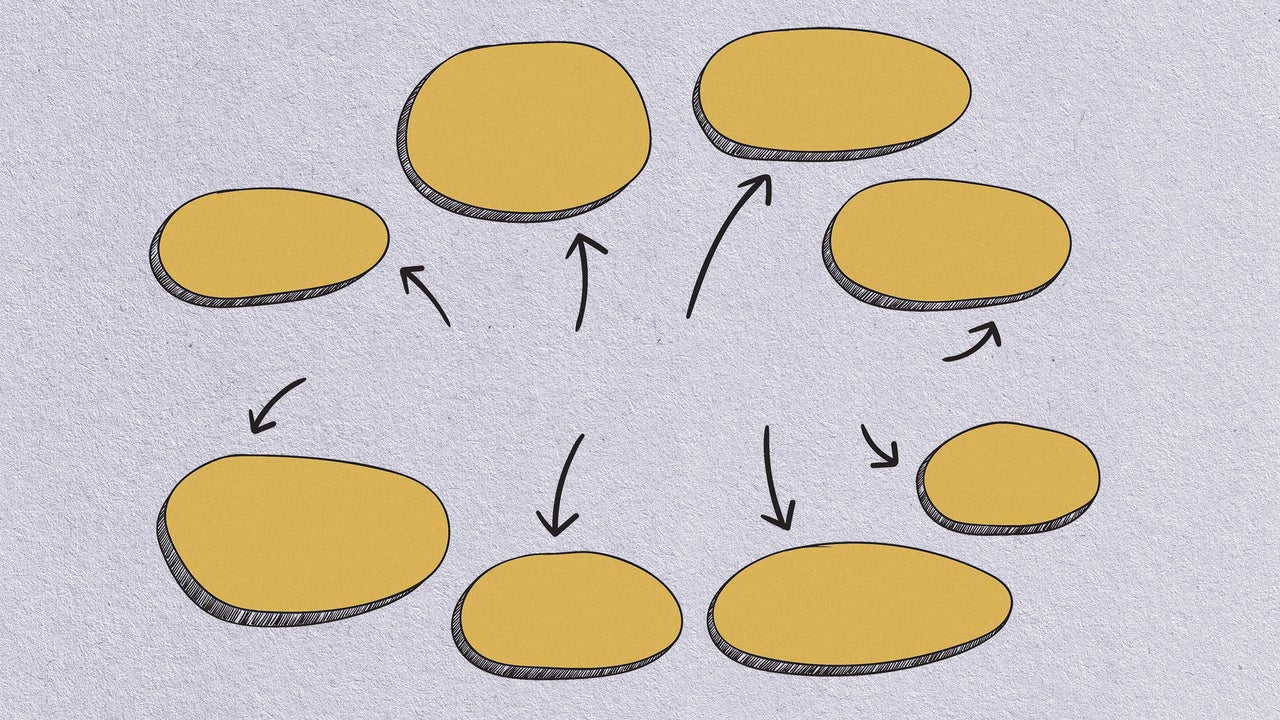
The analysis suggests designing the organization using "empty boxes." The idea is to create a blank slate and design the future organization without attaching names to roles, focusing solely on the necessary functions and responsibilities. Subsequently, it becomes possible to assess how current employees fit into this future structure and identify development needs or potential gaps. This process helps make organizational changes more objective and business-driven.
Founders often discover that many key functions lacking a designated leader ultimately fall back on them. This explains why many entrepreneurs feel trapped in day-to-day operations, simultaneously performing management tasks for multiple departments. Future-oriented organizational design helps identify these hidden areas of responsibility and frees up the founder's time for more strategic leadership.