Congress and Conservation Leaders Criticize Largest Planned Wild Horse Roundup in Nevada
Members of the U.S. Congress and a coalition of conservation leaders have voiced strong opposition to the Bureau of Land Management's planned wild horse roundup in Nevada, the largest in the state's history. They are demanding a halt to the removals and the adoption of more cost-effective, humane alternatives.
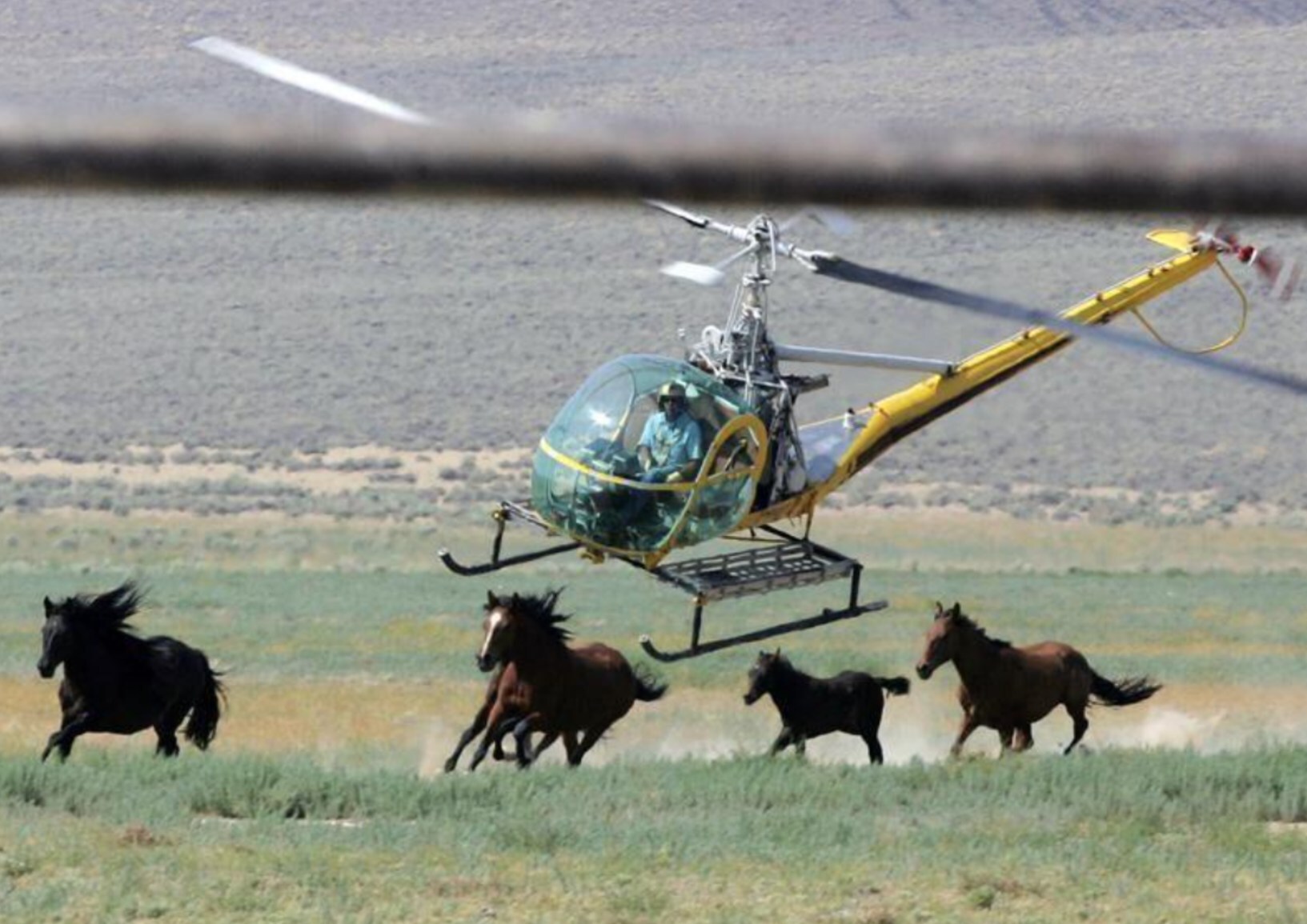
Reno, Nevada – A significant number of U.S. Congress members and leading conservation organizations have condemned the Bureau of Land Management's (BLM) commencement of what is expected to be the largest wild horse roundup in Nevada's history. The American Wild Horse Conservation (AWHC), alongside animal welfare advocates and public lands supporters, is urging federal officials to halt the operation and pursue fiscally responsible, humane, and science-based alternatives for managing wild horse populations.
The roundup, known as the Callaghan Complex, began this month and aims to remove 2,000 horses from their native range. This is the initial phase of a broader plan targeting the removal of 5,000 horses over a seven-week period. Congresswoman Dina Titus (D-NV), along with co-sponsors Juan Ciscomani (R-AZ) and Steve Cohen (D-TN), has publicly criticized the BLM's current methods and introduced protective legislation for wild horses, which includes prohibiting helicopter usage in roundups.
The BLM's Wild Horse and Burro Program is facing increased national scrutiny amid these actions. In recent years, tens of thousands of horses and burros have been removed from public lands, while the number of animals held in government facilities has climbed, imposing substantial costs on taxpayers. Advocates highlight that lifetime holding costs for one horse in captivity can reach $50,000, compared to an estimated $3,700 for lifetime management with fertility control treatments on the range.
Conservation groups are calling on the Department of the Interior, Congress, and the BLM to expand humane fertility control programs, enhance transparency and independent oversight during roundups, protect critical wild horse habitats and water sources, and prioritize on-range management over costly off-range holding facilities. They assert that the current approach constitutes mass removal rather than sustainable management, lacking long-term solutions and public benefit.