CorPower Ocean Summarizes Wave Energy History
The utilization of wave energy dates back to 1799. CorPower Ocean reviews the sector's development and challenges within the context of climate change and renewable energy needs.
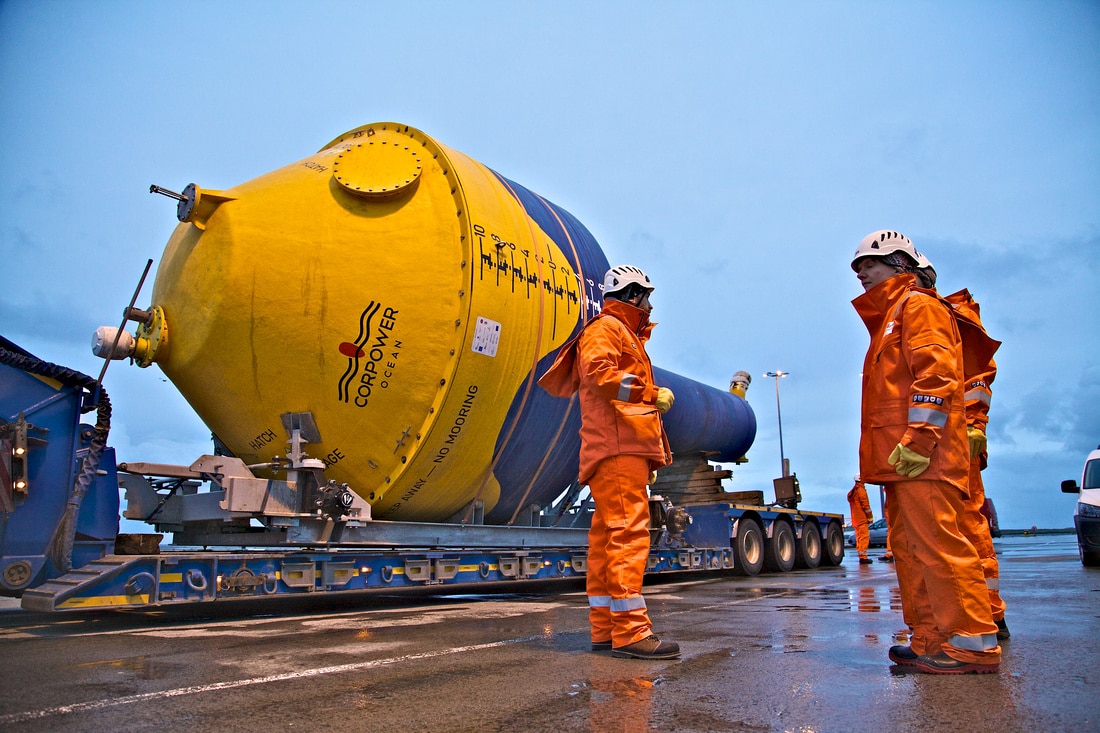
CorPower Ocean has released a summary of wave energy's history, highlighting its long development path and potential role in the future renewable energy mix. The historical overview begins in 1799 with French inventor Girard's patent for a machine designed to harness wave energy.
Early pursuits in wave energy focused on practical applications, such as powering mills and pumps. By the late 1800s, California experimented with using wave action for boat propulsion and even to dampen dust during droughts. However, these technologies faced challenges, often breaking in storms or failing to produce sufficient power for commercial viability.
Significant academic interest in wave energy emerged following the 1973 oil crisis, which prompted a global reevaluation of fossil fuel dependence and a push towards renewable sources. This period saw substantial research and development. Notably, British engineer Stephen Salter developed the "Salter's Duck", and Norwegian researchers Johannes Falnes and Kjell Budal explored theoretical concepts like the "antenna effect" to enhance energy capture.
Despite these advancements, the sector's progress has been hampered by volatile oil prices and fluctuating support, impacting investment in renewable technologies. CorPower Ocean emphasizes that wave energy offers key benefits, including grid stability and the potential to offset the intermittency of wind and solar power, contributing to the cost-effectiveness of future zero-carbon electricity systems.